Compare top compressed air piping company options for turnkey projects. Modern modular aluminum systems reduce leaks, save energy, and cut downtime.
Compressed air systems use 20% to 30% energy in factory buildings, making it essential for plant managers to pick high-performing equipment that saves money over time. Old iron and copper pipes frequently leak and lower air pressure quickly, but modern aluminum pipes fix these critical issues.
Top companies help your plant work better by managing turnkey projects tailored to your facility's needs. Strong options for these comprehensive installations include the Upipe Aluminum Pipe System. Engineered with pure, heavy-duty aluminum, precision-cut ends, and advanced multi-surface rubber seals, it stops air leaks fast and minimizes pressure drops. Pre-treated raised rings on larger pipe models also make setup remarkably quick and efficient.
Key Takeaway: Switching to new aluminum pipes optimizes air flow, enhances system reliability, and cuts work costs right away.
Key Takeaways
New metal pipes fix leaks fast. They lower energy bills.
Full-service teams handle big projects. They do every step.
Upipe aluminum pipes have smooth insides. Air flows fast.
Easy snap parts speed up work. You can add more later.
Leading Service Providers for Turnkey Projects
Big compressed air upgrades need expert help. Top service providers manage every step. This lets your team focus on work.
Air Services Company and Direct Air
Local experts offer total care. They begin with full compressed air audits. They measure real flow rates. They find hidden supply bottlenecks. They also find exact air needs.
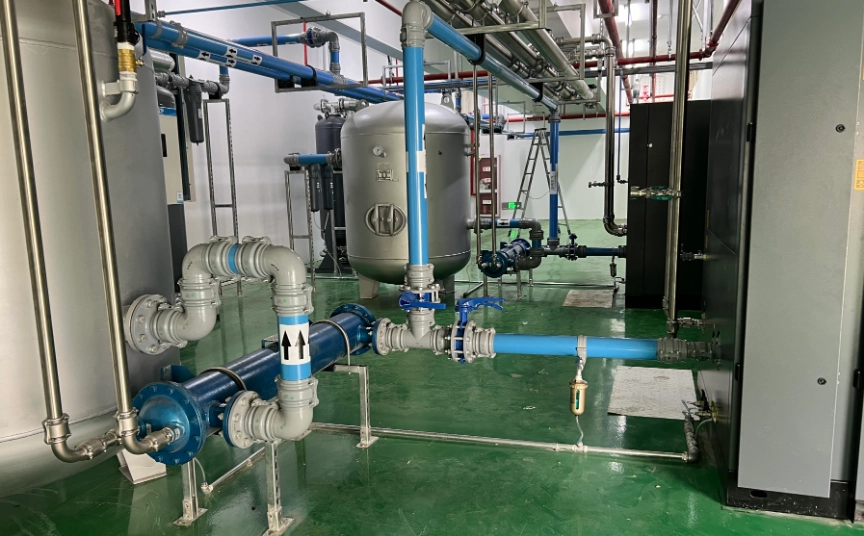
Next, workers build full pipe networks. They fit your factory floor. They connect primary air compressors and dryers. They add modern distribution lines. These complete setups stop parts from mismatching. They also lower daily power costs.
Motion & Control Enterprises (MIFP)
Motion & Control Enterprises brings special skills. They plan flexible air layouts for you.
Partner Service | Key Benefit to Your Plant |
|---|
System Auditing | Finds energy waste and right sizes |
Mechanical Assembly | Guarantees fast, correct pipe setup |
Preventive Maintenance | Protects gear and keeps pressure steady |
MCE sells top gear with support. You get regular pipe maintenance. You get leak checks and fast fixes. All come in one easy plan. This keeps air pressure steady. It cuts unexpected plant downtime.
Full-Lifecycle Contractors and System Integrators
Big building contractors take full charge. They manage early plant engineering plans. They handle site prep work. They do final gear testing. Integrators join mechanical piping and electrical controls. They link air treatment machines fast.
???? Pro Tip: Single-source contractors cut delays by tracking all worker schedules.
These contractors match new air tools. They use smooth modular piping lines. They merge smart tool layouts. They add special dryers. They use high-flow piping. These teams ensure reliable factory output.
Piping Material Options for Turnkey Projects
Picking strong pipe metal helps your factory save power. Turnkey projects need tough air lines. These pipes stop leaks quickly. They drop line pressure less. They also cut overall working costs. You should check modern aluminum options. Also check stainless steel, copper, and iron.
Upipe Modular Aluminum Pipe System
The Upipe Aluminum Pipe System lasts very long. It gives top working efficiency for air lines. Makers build Upipe from pure aluminum metal. They use zero recycled materials. Thick pipe walls stand up to tough jobs. Clean ends and smooth inner walls keep air moving. Air flows fast without turbulence inside.
⚡ Performance Highlight: Smart factory packing uses soft inner linings. It adds outer plastic wrapping and tight end caps. Your gear arrives clean for fast setup.
You save real setup time during pipe upgrades. Big air lines use pre-treated raised rings. These DN40 and larger models speed up joining. Strong Thai rubber multi-surface seals stop mistakes. They seal all line gaps tight.
Feature / Mechanism | Impact on Installation Speed | Impact on Leak Prevention |
|---|
Pre-treated Raised Rings (DN40+ pipes) | Standardizes joining for larger pipes. Setup becomes faster and consistent. | Helps line up pipes. Keeps connection spots steady. |
Premium Rubber Multi-Surface Seals | Makes joint seating simple while building. | Offers a continuous seal. Handles system shakes well. |
The Upipe system keeps air pressure high everywhere. Connectors use one solid mold. This matches strength between bodies and bolts. It holds high air pressure easily. Shaped tees and elbows direct fast air velocity.
Quick drop units use strong rib supports. They have tough passive locking parts inside. A smart gooseneck shape blocks wet water. Integrated aluminum alloy ball valves control air safely. Anti-vibration pipe clamps hold everything tight. They shield line connections for many years.
Stainless Steel and Copper Piping
Stainless steel pipes offer great strength. They resist harsh chemicals in busy plants. Engineers use a simple math equation for pressure:
P = (2 * T * σ) / D
Here, P means internal pressure. T means pipe wall thickness. σ means material stress limit. D means internal diameter size. A 2-inch 304 stainless pipe holds 2,980 psi easily.
Stainless Steel Grade | Key Corrosion Resistance Properties | Ideal Industrial Applications |
|---|
304 | Resists rust in normal air settings. | Water lines, HVAC, food plants. |
316 | Fights off salts and harsh chemicals. | Sea ships, offshore plants, medicine labs. |
316L / 904L | Blocks strong acids and harsh liquids. | Chemical plants, oil refineries. |
Stainless steel and copper pipes bring great benefits:
Corrosion Resistance: Chromium metal shields your pipes from rust and dirty air.
High Load Capacity: Thick metal walls carry heavy weights and high pressure.
Thermal Stability: Heavy metal pipes stay strong in hot and cold weather.
Copper pipes move heat well. They have smooth inner walls inside. But workers must solder copper joints carefully. Soldering adds extra time and labor costs.
Traditional Galvanized Iron Networks
Plant managers once picked threaded iron pipes often. They used them for industrial air networks. But old plant data shows major problems over time.
Issue Category | Root Cause / Mechanism | Long-Term Impact & Drawbacks |
|---|
Internal Corrosion | Inner zinc layers peel off slowly. | Causes rust flakes and air blockages. |
Friction Factor | Rough inner surfaces slow moving air. | Creates higher resistance inside pipes. |
Pressure Loss | Pipe rust and rough walls cause friction. | Forces air machines to work harder. |
Old iron pipe networks break down fast:
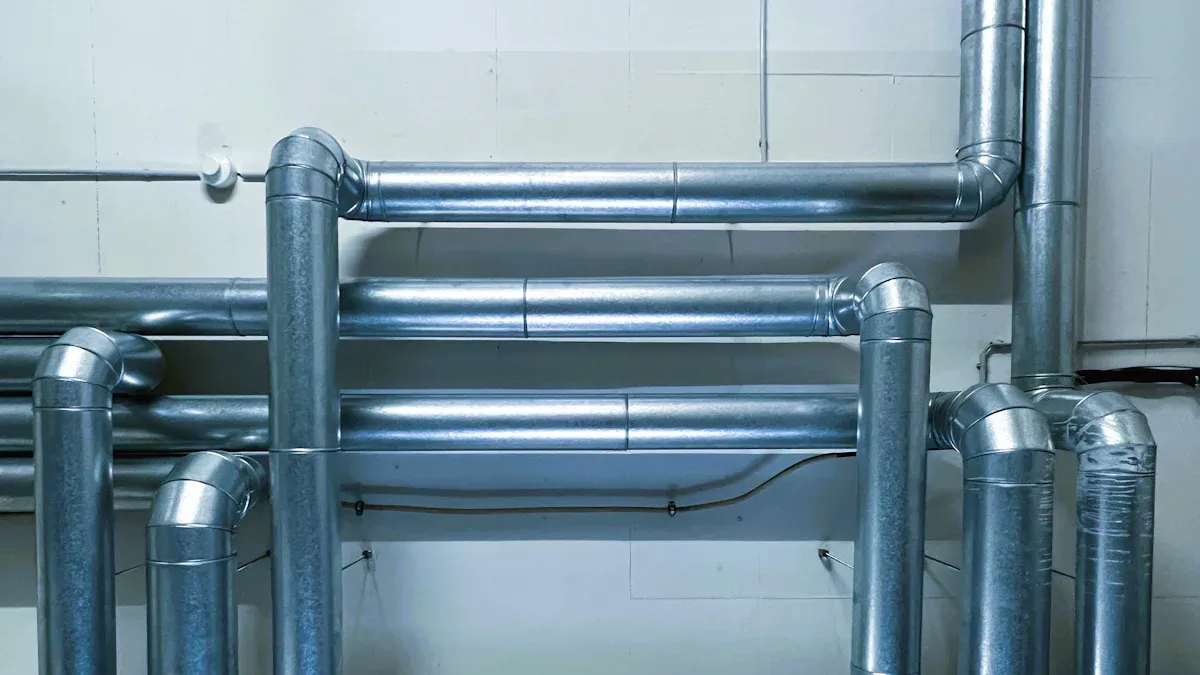
Zinc Layer Degradation: Cutting pipe threads removes inner zinc layers. Exposed raw iron rusts very fast.
Progressive Deterioration: Rust spreads quickly through the line. Moving rust flakes ruin expensive tools and filters.
Rough pipe walls slow down moving air. Plant air compressors work much harder. This extra work wastes costly power. It increases machine repair needs. Modern plants swap iron lines for clean aluminum.
Essential Turnkey Engineering Capabilities
You need smart design partners. They build efficient air networks. Experts bring key skills to projects.
Compressed Air Audits and System Sizing
Engineers study your plant floor first. Energy audits gather exact system data:
System Inventory & Site Survey: They list compressors, dryers, filters, and receivers.
Visual Pipework Inspection: They check pipe layouts and line joints.
Performance Logging: They track power, pressure, and airflow metrics.
Ultrasonic Leak Detection: They find hidden air leaks easily.
Designers calculate peak system pressure losses. They size your distribution piping right.
Custom Layout Design and Flow Optimization
Custom layouts cut friction. They protect your tools. Engineers match your pipe design. They meet exact air purity targets. Critical places need ISO Class 1 purity. They keep oil under 0.01 mg/m³. Smart layouts protect smooth airflow. They also stop pressure drops.
On-Site Assembly, Testing, and Commissioning
Skilled techs build your air system. They run safety tests. They use strict test steps:
Parameter | Standard Specification |
|---|
Standard Test Pressure | 110% of system design pressure |
Test Medium | Clean, dry air or Nitrogen ($N_2$) gas |
Pressure Gauge Range | 1.5 to 2.0 times test pressure |
Gauge Calibration Validity | Maximum 90 days |
???? Commissioning Step: Techs run full tests. They check dew points. They measure total energy. They write down all system notes.
High-Efficiency Design Features That Reduce Downtime
Unplanned downtime costs you money. It also loses good work time. Modern air networks protect continuous work.
Push-to-Connect and Quick-Drop Technology
Old threaded pipes need heavy tools. They slow down installation speed. Advanced fittings make assembly fast.
You add lines without cutting pipes. Upipe offers strong quick drop units. These parts hold tight under pressure.
???? Smart Moisture Control: The Upipe gooseneck drop blocks water. It sends clean air down instead.
Leak-Free Seals and Integrated Valves
Air leaks waste lots of power. Compressors run all the time then. Modern designs fix this problem easily.
Thai Rubber Multi-Surface Seals: Special rubber makes very tight seals. It stops leaks and absorbs shakes.
Integrated Ball Valves: Aluminum ball valves close pipe zones. You fix parts without total shutdowns.
Anti-Vibration Clamps: Strong clamps hold all lines safe. They stop shakes and sudden bursts.
Modular Scalability for Future Expansion
Your factory will grow over time. Old metal pipes limit plant layouts.
System Feature | Benefit for Plant Expansion |
|---|
Reusable Aluminum Fittings | Allows quick layout changes without material waste. |
Lightweight Modular Pipes | Reduces structural stress and speeds up overhead mounting. |
Smooth Inner Walls | Maintains high airflow when extending line lengths. |
You change modular air lines fast. Techs unbolt old fittings very quickly. They add segments and restart operations.
Turnkey Partner Selection Checklist
Pick a good engineering team. They keep your factory running well. Check key items before hiring them.
Total Cost of Ownership and Energy Savings
Look past initial setup costs. High-efficiency pipes cut electric bills. New aluminum pipes save cash. They replace old steel ones fast. You get money back quickly. Lower labor costs speed up returns. Less compressor waste helps too.
???? Cost Savings Tip: Smooth inner pipe walls block drops. Air compressors run far less daily.
Warranty Terms and Aftermarket Support
Strong warranties protect your work. Get steady partner help after setup.
Checklist Item | What You Should Look For |
|---|
Material Warranty | Long coverage on aluminum pipes |
Service Agreements | Scheduled checks and leak audits |
Emergency Repair | Fast response times for fixes |
Pick teams that back their gear.
Local Distributor and Engineering Reach
Local help stops costly downtime. Distributors must store extra parts nearby.
Great engineers handle big projects fast. They fix issues on site quickly. They build custom layout changes. They do fast routine checkups.
Choosing great pipe materials helps your plant. Good engineering partners aid your work too. Modular aluminum setups like Upipe work well. They stop air leaks completely. They reduce labor costs quickly. They also prevent pressure drops easily. Skilled full-service contractors handle your turnkey projects. They do initial audits first. They complete final commissioning later.
???? Take Action Today: Plan a full compressed air audit now. Speak with expert partners right away. You will improve plant airflow fast. You will stop energy waste. You will keep long-term efficiency high.
FAQ
Why pick modular aluminum over iron pipes?
Old iron pipes rust quickly. They drop system pressure. This wastes total power. Smooth aluminum lines stay clean. Air moves fast inside. Your power bills drop right away.
How does Upipe stop air leaks?
Upipe uses thick Thai rubber seals. They absorb strong machine shakes. They close all tiny gaps tightly. Built-in valves stop leaks fast. Strong clamps keep lines safe.
How fast is turnkey installation?
It depends on plant size. Lightweight aluminum cuts work time in half. Rings on big Upipe models connect fast. Your team finishes setup quickly. Work stops for less time.
???? Need System Guidance? Talk to an engineer. They help you pick right sizes.
Can you grow your pipe network later?
Yes, expanding modular networks is easy. Techs unbolt light fittings fast. They do not cut pipes. You add drop points anytime. Your lines grow with work.