Home > News > Blog > Compressed air piping companies for large-scale factory projects
# Blog
Compressed air piping companies for large-scale factory projects
2026-06-25
Share:
Choose the right compressed air piping company for large-scale factory projects to ensure efficient, safe, and scalable air systems with expert installation.
You need good compressed air piping for your big factory. Bad choices can make energy bills go up. They can also stop production and cause safety problems if not installed right. Picking a company that knows what to do lowers these risks. It also makes sure the system works well and stays safe. The material you pick is important. Premium aluminum piping is easy to put together. It lasts a long time and can be changed if needed. New features and smart designs help keep pressure steady. They also help stop leaks from happening.
Key Takeaways
Pick a company that has worked on big projects before. This helps make sure they can handle your factory’s needs. - Use aluminum piping because it is light and does not rust. This keeps the air clean and saves energy. - Find companies that care about safety and follow the rules. This keeps your factory and workers safe. - Check if the company is good at managing projects. This helps the work finish on time and within budget. It also makes it easier to grow your factory later. - Ask for clear plans and look at their certificates. This shows the company cares about doing safe and good work.
Key Qualities in Compressed Air Piping Companies
Large-Scale Project Experience
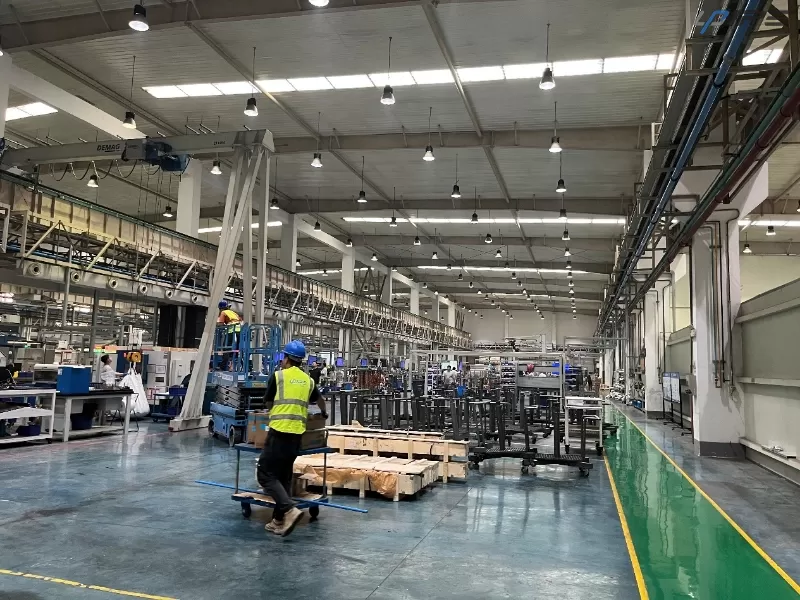
You should pick a company that has done big projects before. If they have worked in large factories, they know how to plan and set up systems for big spaces. These companies can solve problems that come with large compressed air piping jobs. Here are some examples of companies with experience in huge buildings over 100,000 square feet:
Darigold finished a compressed air system project in a 196,000-square-foot building.
SumiRiko Tennessee improved their compressed air system in a 440,000-square-foot plant.
Choosing a company with this background helps you feel confident. They know how to keep your factory working well, even when making big changes.
Technical and Engineering Expertise
Technical skills are very important. You need a team with the right training and certificates. This makes sure your compressed air piping system works well and meets all rules. The best companies train their workers and keep them updated on new standards. The table below lists common certificates you should look for:
Service Technicians are OSHA 10 or above certified.
Specialized Qualifications
Training includes TWIC, MSHA, and more.
All team members undergo in-house factory certified training.
When you see these certificates, you know the team can handle tough jobs and fix problems fast.
Safety and Compliance Standards
Safety is always most important in a factory. You need a company that follows all safety rules and meets every standard for compressed air piping. The best companies use the right supports, follow the maker’s instructions, and handle condensate to stop rust. They also check the system often and never use risky materials like PVC. All workers must get safety training.
EU Machinery directive 2006/42/EC and EU Directive 97/23/EC outline essential safety requirements for machinery and pressure equipment, ensuring compliance with safety standards in compressed air piping installations.
New rules like EN 1012-1 for compressors and EN 764 for pressure equipment help keep people and property safe. Following these rules keeps your system safe and working well.
Project Management Skills
Good project management helps your installation finish on time and on budget. You want a company that plans ahead, controls costs, and can handle changes. The best companies use clear bids, so you know what you will pay. They also design systems that can grow with your factory, making it easy to expand later.
Evidence Type
Description
Cost Management
ADG Concepts emphasizes a transparent bidding process where the initial bid reflects the final cost, barring any requested changes.
Planning for Challenges
The company leverages 15 years of experience to anticipate and mitigate potential installation challenges, ensuring smooth project execution.
Scalability
Their design philosophy incorporates modularity, allowing for future expansions without significant downtime or financial strain.
If you work with a company that manages projects well, you get a compressed air piping system that fits your needs now and later.
Your compressed air piping system needs a good start. You must make smart choices from the beginning. First, pick the right compressor for your factory. Next, decide where to put the compressor. Then, plan how the pipes will run through your building. Here are some main things to think about:
Pick a compressor with the right power for your machines.
Choose pipe material that keeps air clean and saves energy. Aluminum is a good choice for many factories.
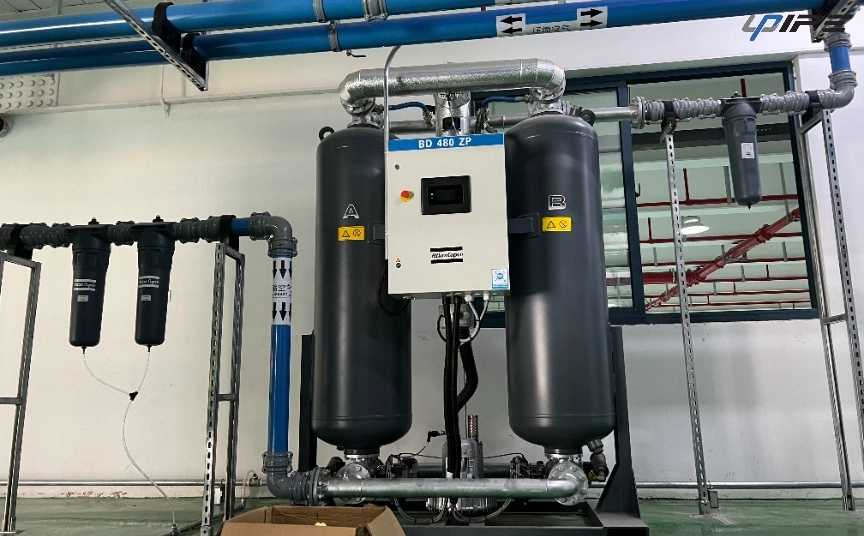
Add air dryers and filters to get rid of water and dirt.
Know how much air your machines need and what pressure they use.
A good design stops pressure drops. It also helps your factory work without problems.
Installation and Integration
You want your compressed air piping put in fast. You also want your factory to keep working during the job. Aluminum systems help with this. They do not need welding or threading. This means workers can finish faster. The table below shows some main benefits:
Aluminum systems go in quickly with ready-made parts and less work.
Adaptability
Modular design lets you change layouts and use parts again.
This way, you can upgrade or grow your system without stopping your factory.
Maintenance and Support
To keep your compressed air piping working well, check it often. Look for leaks and make sure nothing is shaking too much. Check that all supports are tight. Here are some important steps:
Look at the pipes for leaks or movement.
Watch for pressure drops that could mean a blockage.
Check for water and make sure drains work right.
Clean or change filters and dryers to keep air clean.
Make sure all pipe supports are still strong.
Doing these checks helps you stop big problems. It also keeps your system safe.
Custom Solutions
Every factory is different. You need solutions that fit your space and how you work. Top companies use special features like built-in connectors and sealing systems. For example, the Upipe Aluminum Pipe System uses connectors made in one piece. This makes the joints stronger and helps them hold more pressure. The special sealing rubber stops leaks, even if the pipes shake. Quick install parts save time and cut down on work costs. These new ideas make compressed air piping systems better and more reliable.
Tip: Pick a company that gives you advanced and dependable piping systems. This helps you save energy, do less maintenance, and keep your factory running well.
When you pick piping for your factory, you have many choices. The most common are aluminum, copper, and steel. Each one has good points and bad points. The table below shows how they work in factories:
Aluminum is light, easy to put in, and does not rust easily. You can move and change aluminum pipes without much trouble. Steel pipes are heavy and take more work to install. Copper does not rust much, but it costs more and needs skilled workers.
Advantages of Aluminum Pipe Systems
Aluminum pipe systems give your factory many good things. You get a setup that is easy to change and add to. The table below shows the main benefits:
Advantage
Description
Integrated system design
Pipes, fittings, and valves form a unified air distribution network.
Flexible layout configuration
Supports overhead piping, branch systems, and multi-zone air supply.
Modular installation
Quick-connect components enable fast setup without welding.
Easy expansion
System can be modified or extended with minimal downtime.
Lightweight system structure
Easier to handle and install than traditional steel piping, helping reduce on-site labor.
Corrosion-resistant performance
Suitable for humid workshops, production areas, and industrial compressed air environments.
Low pressure loss
Smooth inner surfaces support efficient airflow and stable pressure delivery across lines.
Reliable sealing performance
Precision fittings and connectors help reduce leakage and improve system stability.
Energy-efficient operation
Lower pressure drop can help reduce compressor load and improve overall air distribution efficiency.
Flexible system expansion
Modular pipes, fittings, and branch connections make it easier to expand or adjust layouts.
You also get clean pipes inside, parts that stop shaking, and ways to stop leaks. Clean pipes help air move smoothly and save energy. Anti-vibration parts keep joints safe and help stop leaks. Leak prevention keeps your system working well and saves power.
Tip: Pick a system with these features to keep your factory safe, save energy, and make it easy to grow later.
Leading Brands and Solutions
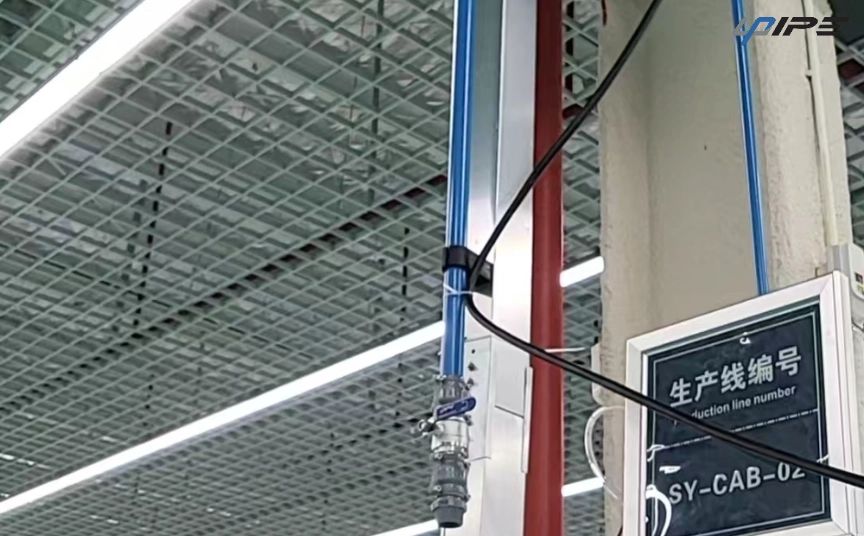
You want a brand that gives you strong and smart products. The Upipe Aluminum Pipe System is a top choice in the field. Upipe uses pure aluminum, not recycled, so it is strong and lasts long. The system has built-in connectors, special seals, and quick install parts. These things help stop leaks and keep your factory running.
Other top brands make systems that are easy to put together and safe. They do not need crimping, threading, or glue. You can build or grow your system with simple push parts. These solutions help your factory stay safe, use less energy, and last a long time.
Evaluating and Comparing Providers
Reviewing Past Projects and References
You should check if a company can do big jobs. Ask them to show you work they have done before. Look for factories like yours in their examples. Good companies will give you photos or stories about their work. They may also give you people to talk to. When you call other factory managers, ask if the job finished on time. Also ask if the system works well. Doing this helps you feel good about your choice.
Certifications and Industry Partnerships
Certifications mean a company follows important rules. You should look for special certificates and partnerships. These show the company cares about safety and quality. Many top companies help you get ISO 50001 or LEED certification. These awards mean the company wants to save energy and help the planet.
ISO 50001 for energy management
LEED for green building standards
Partnerships with trusted brands and suppliers
Factory-trained staff and up-to-date safety training
Pricing and Value Assessment
You should compare prices and what you get for your money. Some companies may be cheaper but use bad materials or skip steps. Ask for a list of all costs. Make sure the price covers design, installation, and support. A good company explains every charge. They show how their system saves energy and lowers repair costs later.
Factor
What to Look For
Upfront Cost
Transparent pricing, no hidden fees
Long-Term Savings
Energy-efficient design, fewer repairs
Included Services
Design, installation, and maintenance
Warranty
Strong coverage for parts and labor
Customer Support Evaluation
Good customer support is very important. You want a team that helps you from start to finish. The best companies have experts who know what to do. They ask for drawings to make sure the plan fits your space. They care about good air flow and saving money. Good support teams:
Size pipes to avoid turbulence and keep air moving smoothly
Design layouts to prevent strain from weight or temperature changes
Install safety valves to control pressure
Respond quickly when you need help
Tip: Pick a compressed air piping company with a good history, strong certificates, clear prices, and expert help. This keeps your factory safe and working well.
Challenges in Large-Scale Projects
Scalability and Expansion
Your compressed air piping system should grow with your factory. Big projects do not use the same plan for every job. When you add new parts, you face new problems. If you think about growth early, you save money later. Modern systems let you add new zones or machines easily. This helps keep air pressure steady and your system working well.
Feature
Benefit
Expansion without major redesign
Lets you grow without big changes
Addition of new zones
Keeps air pressure steady as you expand
Auxiliary equipment integration
Stops overloads when you add new machines
You should plan for extra space, check for leaks, and not make the system too big. Making it too large wastes energy.
Minimizing Downtime
Downtime slows your factory and costs money. You want your factory to keep running during work or repairs. Fast-install systems and regular checks help with this. Here are some important steps:
Find leaks and fix them fast.
Use materials that do not rust.
Design pipes to stop pressure drops.
Put in good filters to keep air clean.
Make sure workers install everything right.
Use energy-saving tools and check your system often.
These steps help your system work well and keep your factory running.
System Integration
Your compressed air piping must work with other systems in your factory. Good integration lets you watch everything from one place. You can spot problems early and fix them. You get better control and fewer surprises. Here are key points for smooth integration:
When your systems connect well, you avoid overloads and keep everything safe.
Future-Proofing
Factories change as time goes on. Your piping system should adjust to new needs. Pick modular designs and light materials for easy upgrades. Choose pipes with smooth insides to keep air clean. Use materials that do not rust so your system lasts longer.
Design Practice
Benefits
Modular assembly
Easy to change and grow
Proper pipe sizing
Keeps air strong and saves energy
Strategic layout
Reduces friction and makes things work better
Lightweight material
Faster and safer to install
Corrosion resistance
Lasts longer and needs less fixing
A future-proof system saves time and money as your factory grows and changes.
Steps to Select a Compressed Air Piping Company
Define Project Requirements
First, you need to know what your factory needs. Clear goals help you pick the right company and avoid mistakes. Here are some steps to help you plan:
Figure out how much airflow your factory uses. This helps you choose the right size for your system.
Pick the best compressor for your machines.
Make sure you have enough power for the system.
Check the area around your compressor for heat and moisture.
Plan for enough space so workers can reach the compressor for repairs.
Think about the piping too. The piping moves compressed air everywhere in your factory. The design and material of the piping change how well your system works. Pay attention to connectors in your plan. Good connectors stop leaks and help your system work better.
Tip: Write down your needs and goals before talking to companies. This makes it easier to compare your choices later.
Request and Review Proposals
Once you know what you need, ask a few companies for their plans. Each plan should show details, a timeline, and a price. Look at each plan closely. See if the company explains how they will meet your needs. Check if the plan covers design, installation, and support. Make sure the company tells you how they will handle changes later.
Use a checklist to compare the plans:
Does the plan fit your airflow and power needs?
Are the materials strong and do not rust?
Does the company give a clear timeline?
Is the price easy to understand?
Will the company help you after the job is done?
A good plan shows the company understands your project and can do the work.
Interview Shortlisted Companies
After you look at the plans, pick the best companies. Set up meetings with each one. Use this time to ask questions and learn about their work. Ask how they finish big jobs. Find out how they fix problems during installation. Ask for examples of other factories they helped.
During the meeting, see how the company talks to you. A good company listens and explains things clearly. Ask about their safety rules and how they train workers. Find out how they stop leaks and keep the system working well.
Note: Meeting the team helps you see if they are right for your factory.
Make the Final Selection
Now you can pick your compressed air piping company. Look at all the facts you found. Think about these important things:
Layout and design: Choose a company that plans for smooth airflow. They should not use sharp turns or long pipes. Looped piping helps keep pressure even.
Materials: Pick a company that uses materials like aluminum that do not rust. This keeps your air clean.
Leak prevention: Make sure the company uses good fittings and checks for leaks often. This saves energy and money.
Also, think about the company’s history, customer service, and if they can help you grow later. The right company gives you a system you can trust.
Remember: The best company will help you build a safe, strong, and long-lasting compressed air piping system.
You should pick a compressed air piping company that has done this work before. The team should have good technical skills and use advanced materials like aluminum. Find a company that gives you a system you can count on. They should also help your factory grow in the future. It is important to think about how long the system will last and if it uses new ideas. If you follow these steps, your project will do well. Start looking for a company now so you can build a system that works for many years.
FAQ
What makes aluminum piping better for factory compressed air systems?
Aluminum piping does not rust and is very light. It is easy to put in place. It helps keep the air clean and stops leaks. You can save money on energy and repairs. Many factories pick aluminum because it lasts a long time.
How do you prevent leaks in compressed air piping?
You use special connectors and strong seals. Checking the system often helps find leaks early. New systems like Upipe have seals that work well and stop shaking. These things help your air system work all the time.
Can you expand your compressed air piping system later?
You can make modular systems bigger without trouble. Aluminum piping lets you add new parts or machines fast. Quick-connect parts help you upgrade quickly. This keeps your factory working with little stopping.
What certifications should you look for in a piping company?
Look for OSHA, ISO 50001, and LEED certificates. These show the company follows safety and energy rules. Staff with factory training and good partners also show they know their job.
How often should you maintain your compressed air piping?
You should check your system once a month. Look for leaks, pressure drops, and loose parts. Clean filters and drains often. Doing these things keeps your system safe and working well.
This website uses cookies to provide you with a safer and more personal experience. By accepting, you agree to the Cookie Policy and the use of cookies for advertising and analytics purposes.