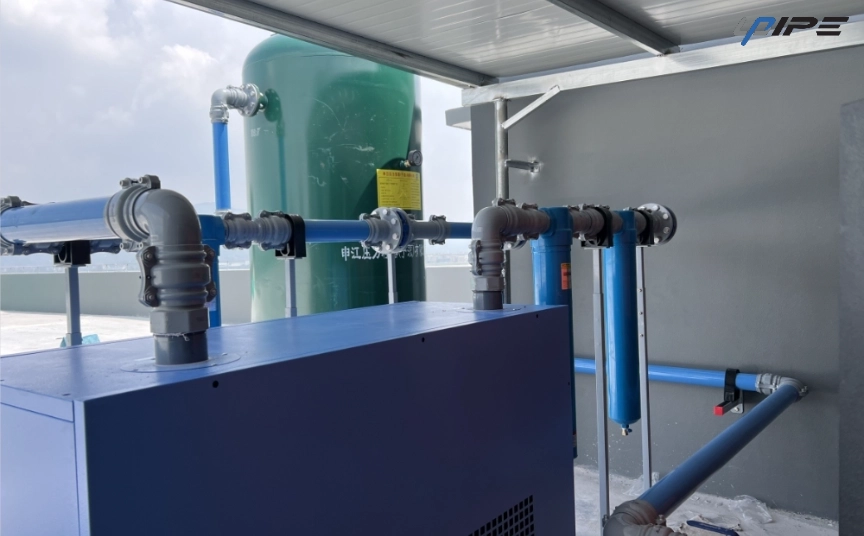
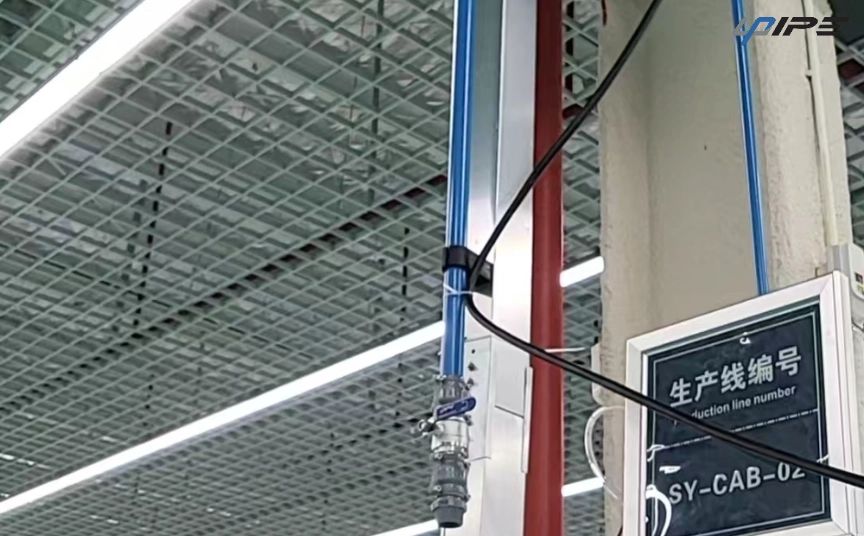
High-quality aluminum compressed air pipelines offer lasting durability, corrosion resistance, and efficient performance for safe, reliable workplace operations.
You need a compressed air pipeline that works well. It should last a long time and keep your workplace safe. High-quality aluminum is special because it does not rust. It helps air stay clean and needs less fixing. Picking the right system stops problems like leaks and low power. It also stops you from needing repairs often. A good pipeline gives you steady air and helps you feel calm each day.
Key Takeaways
Good aluminum pipelines do not rust or corrode. This keeps the air clean and lowers how much you need to fix them.
Pick aluminum systems that have certifications like ISO and ASME. These certifications help make sure the system is safe and works well.
Find systems with smooth insides and careful manufacturing. These features help air move better and make the system work more efficiently.
Buying strong aluminum pipelines can help you spend less money on repairs and energy over time.
Always check the supplier’s credentials and make sure the product is real. This helps you avoid bad or fake products.
What Defines High-Quality Aluminum Pipelines
Material Purity and Standards
You want your compressed air system to work well and last. The purity of aluminum in the pipes is very important. High-quality aluminum uses pure material, not recycled pieces. This helps the pipes fight rust and keeps the air clean. For example, the Upipe Aluminum Pipe System uses pure aluminum. This makes the pipes strong and reliable.
Industry standards help you know what to check for. Here are some key ones:
ISO 8573-1 gives rules for air purity in compressed air pipelines.
The 6063 aluminum alloy is used because it fights corrosion and stays strong.
ASME B31.1/B31.3 certifications show the pipeline follows strict design rules.
PED and ISO standards make sure the pipeline is safe and high quality.
You can see how purity helps your system in this table:
Property | Benefit for Compressed Air Pipelines |
|---|
Corrosion Resistance | High-purity aluminum alloys fight corrosion and last longer. |
Lightweight | Makes installation easier and lowers maintenance costs. |
Structural Integrity | Keeps pipes strong under pressure and improves performance. |
Precision Manufacturing
You need pipes that fit well and do not leak. Precision manufacturing makes this happen. High-quality aluminum pipelines have smooth insides. This helps air move easily and saves energy. The Upipe system cuts each pipe end cleanly and uses thick walls for extra strength.
Manufacturers use advanced tools to check for problems. They test for airtightness and use pure billets to avoid defects. Inline flaw detection finds issues before pipes leave the factory. Here are some quality control steps:
Quality Control Measure | Description |
|---|
Ensuring Impeccable Gas Tightness | Making pipes airtight stops system failures; strict cleaning and testing are used. |
Utilizing High-Quality Aluminum Billets | Pure billets are used to avoid defects; refining processes are strict. |
Implementing Advanced Inline Flaw Detection | Real-time defect detection makes sure only good pipes are sent out. |
You get pipes that are easy to line up and do not rust. This keeps your air clean and helps your system last longer.
Application-Specific Design
Every workplace is different. You need a pipeline that fits your needs. High-quality aluminum systems use special designs for different jobs. For example, food factories and car factories need clean air and strong pipes. Aluminum is a good choice because it does not rust and is easy to install.
Here are some features you should look for:
The design should make installation fast and easy.
The system should stop leaks and keep air clean.
The pipeline should last a long time, even in tough places.
The Upipe Aluminum Pipe System uses thick walls, clean insides, and special connectors. These help you get the best performance and safety for your compressed air system.
Tip: Always check if the pipeline design fits your job. This helps you avoid problems and keeps your system working well.
Key Features of High-Quality Aluminum Systems
Durability and Strength
You want your compressed air system to last a long time. High-quality aluminum pipelines can work for many years. Most aluminum systems last from 30 to 50 years. This is much longer than steel or plastic pipes. You can see the difference in this table:
Material | Average Lifespan |
|---|
Aluminum | 30 to 50+ years |
Carbon Steel | 10 to 30 years |
Plastic | 10 to 20 years |
Stainless Steel | 50 years or more |
Aluminum pipes are strong because they do not rust. The inside is smooth, so air moves easily. Upipe uses thick walls and pure aluminum for extra strength. Advanced connectors from Upipe, Transair, and Infinity keep your system safe. These systems can handle tough jobs without breaking.
Corrosion and Leak Resistance
You need pipes that do not rust or leak. High-quality aluminum fights corrosion, even with humid or oily air. The smooth inside helps air move and keeps pressure strong. Upipe’s special shapes and seals help stop leaks. PREVOST and RapidAir also use smooth insides and strong connectors.
Here is how common problems are solved:
Cause of Corrosion/Leak | Mitigation Strategy |
|---|
Interior corrosion due to moisture and contaminants | Use aluminum piping to prevent corrosion over time. |
Rough internal surfaces leading to pressure drop | Install smooth bore aluminum piping to maintain flow rate. |
Leakage from threaded joints in metal piping | Ensure a leakage-free installation with aluminum systems. |
Anti-vibration clamps from Upipe keep pipes steady. This lowers the chance of leaks from shaking machines.
Easy Installation and Maintenance
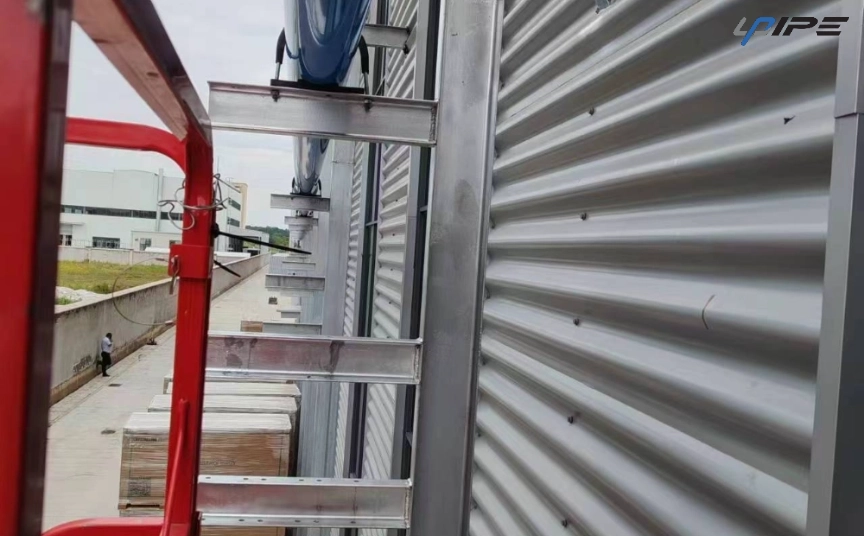
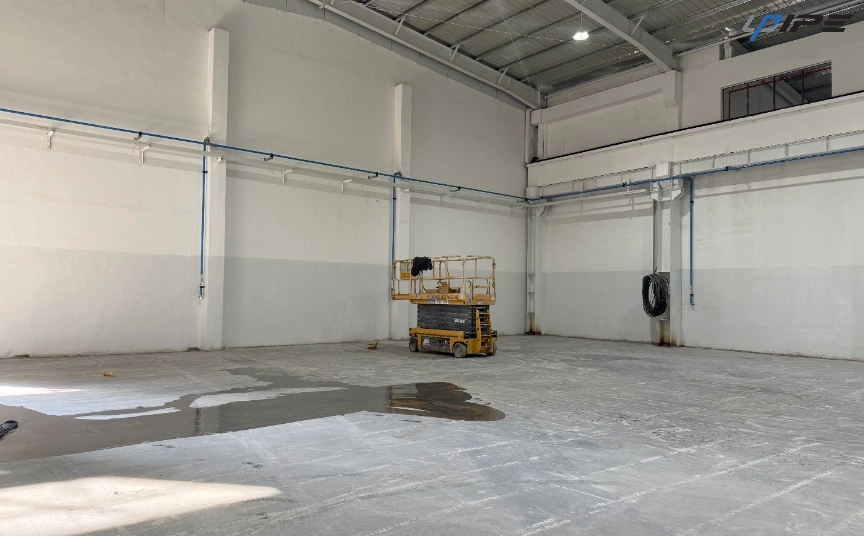
You want to save time when you install your system. Aluminum pipelines are light, so you can put them in fast. Many people finish the job in half the time of steel pipes. Upipe’s connectors and pre-treated ends make it even quicker. RapidAir and Infinity also have easy-to-use systems.
You do not need to check or fix aluminum pipes often. The smooth inside keeps dirt from building up. Here is a quick look at maintenance needs:
Feature | Aluminium Pipe | Steel Pipe |
|---|
Corrosion Resistance | Excellent | Prone to rust |
Internal Surface | Smooth | Roughens over time |
Maintenance | Minimal | Frequent inspection required |
Tip: Pick high-quality aluminum systems for less work and more peace of mind.
Benefits of High-Quality Aluminum Piping
System Efficiency
You want your compressed air system to work well every day. High-quality aluminum piping helps your facility run better. These pipes lower pressure drops. This gives your air tools steady power. You use less energy, so your bills go down. The pipes are light and easy to move. You can install or change your system fast. It is simple to adjust for new needs.
Less pressure drop means better airflow.
Using less energy saves money.
Installation and changes are quick.
Leaks are easy to fix, so your system stays reliable.
Tip: Good aluminum piping keeps your system strong. It also helps you save energy.
Cost Savings
You save money in many ways with high-quality aluminum piping. These pipes need little maintenance. You do not worry about rust or leaks. Easy-connect fittings save time and money on repairs. The table below shows how aluminum systems compare to others:
Aspect | Traditional Systems Cost | Aluminum Systems Cost | Savings |
|---|
Annual Maintenance Costs | $1,500 - $3,000 | Virtually Eliminated | Significant Savings |
Energy Savings (50hp compressor) | $3,000 - $5,000 annually | N/A | $3,000 - $5,000 annually |
Leak Resistance | 30% air loss | 5x more secure seal | Less air loss |
Modification Costs | High (cutting/welding) | Low (easy-connect fittings) | Minimal cost and downtime |
You see real savings each year. Less air loss and fewer repairs mean you keep more money.
Safety and Reliability
You need a safe and reliable system at work. High-quality aluminum pipes resist corrosion and leaks. This keeps your air clean and your equipment safe. Strong seals and anti-vibration features help stop accidents. You do not worry about sudden failures or unsafe air. The table below shows how aluminum compares to other materials:
Material | Energy Efficiency | Corrosion Resistance | Maintenance Needs |
|---|
Aluminum | High | Excellent | Minimal |
Black Iron | Low | Poor | High |
Galvanized Steel | Moderate | Moderate | High |
Copper | Moderate | Good | Moderate |
Stainless Steel | High | Excellent | Moderate |
PEX/PVC | Unsafe | N/A | N/A |
You feel calm knowing your system will last and keep your team safe.
Selecting High-Quality Aluminum Pipelines
Picking the best aluminum pipeline needs careful planning. You want a system that follows strict rules. It should have strong warranties and good reviews. Use this guide to help you choose the right pipeline for your workplace.
Certifications and Compliance
Certifications prove a pipeline is safe and high quality. When you shop for aluminum systems, check for these certifications. They show the product is reliable and will last.
Certification | Description |
|---|
Canadian Registration Number (CRN) | Needed for parts using pressure over 15 PSI in Canada. |
ISO 9001:2015 | Shows the company uses a strong quality management system. |
ISO 8573-1:2010 | Sets the standard for clean compressed air. |
UL 94 | Proves the material is safe from fire. |
NSF H1 | Means the product is safe for food factories. |
ASME B31.1 | Standard for power piping. |
ASME B31.3 | Standard for process piping. |
Tip: Always ask your supplier to show these certifications. This helps protect your money and keeps your workplace safe.
Warranties and Guarantees
A good warranty helps you feel safe. It means the maker trusts their product. Top brands give long warranty periods. You can depend on your pipeline for many years.
Manufacturer | Warranty Period |
|---|
C.H. Reed | 10 years |
Unipipe | 20 years |
Some companies may give even longer coverage. Always read the warranty details. Make sure it covers leaks and rust. A strong warranty means the aluminum system is high quality.
Customer Reviews and Case Studies
Customer feedback shows how a pipeline works in real life. Many people share their stories online. You can learn from their experiences.
Good piping design helps balance flow and pressure.
Modular aluminum systems lower friction and keep pressure strong.
Smooth insides and tight connections use less energy and help equipment last longer.
One case study showed a well-designed system saved money and made the network easier to change.
Note: Look for reviews about installation, energy savings, and long-term use. These details show how the system works over time.
Product Comparison
You should compare products before buying. Look at pressure ratings, wall thickness, and how easy it is to install. Many top aluminum pipelines handle up to 16 bar (232 psi). Bigger pipes may be rated up to 13 bar (188 psi). Lightweight pipes make installation faster and safer. Many systems let you add branches or expand later.
Here is a checklist to help you compare:
Check the highest working pressure.
Look at wall thickness for strength.
See if the system is easy to install and expand.
Make sure the pipes resist rust.
Ask about features like anti-vibration clamps or quick-connect fittings.
Callout: Take your time to compare specs and ask questions. The right choice will give you a strong aluminum pipeline that lasts for years.
Top Brands and Where to Buy
Leading Manufacturers
You have lots of choices for high-quality aluminum compressed air pipelines. Some top brands are:
Upipe
UnipipeAIR
RapidAir FastPipe
PREVOST
Parker Transair
Infinity
These brands make strong and reliable systems. Upipe is special for a few reasons. The inside of Upipe pipes is smooth. This helps air move easily and keeps pressure steady. Your compressor does not have to work as hard. Upipe uses pure aluminum alloy. This stops rust and keeps air clean. You can install and expand Upipe quickly. It works well in factories, workshops, and military sites.
Unique Selling Points | Description |
|---|
Energy Efficiency | Smooth insides help air move and keep pressure steady. |
Corrosion Resistance | Aluminum alloy stops rust and keeps air clean. |
Modular Installation | Quick setup and easy changes let you expand fast. |
Wide Application Range | Works in many places like factories, automation, and military. |
Upipe protects your pipes with special packaging. Each pipe has fabric lining, plastic sealing, and sealed ends. This keeps pipes clean and safe until you use them.
Authorized Distributors
You should buy from authorized distributors. These sellers get products straight from the maker. You can find trusted distributors on each brand’s website. Local supply stores often sell these brands. Some online stores also sell real products, but check their credentials.
Tip: Ask for proof the distributor is authorized. This helps you avoid fake or bad products.
Tips for Genuine Products
You want to get real, high-quality aluminum pipelines. Here are some tips:
Check for original packaging and sealed ends.
Look for brand names on pipes and connectors.
Ask for certificates or proof the product is real.
Read reviews about the seller before buying.
Contact the brand if you are not sure.
You keep your workplace safe and save money when you buy real products. Always be careful with deals that seem too good to be true.
Common Mistakes to Avoid
When you choose an aluminum compressed air pipeline, you want to avoid common mistakes. These errors can cost you time, money, and safety. Learn what to watch out for so your system works well for years.
Prioritizing Price Over Quality
You might want to save money by picking the cheapest option. This can lead to big problems. Low-quality pipes often use recycled materials. These pipes can rust, leak, or break. You may face higher repair bills and more downtime. Cheap fittings may not seal well, causing air loss and wasted energy.
Tip: Always check the material and build quality before you buy. High-quality aluminum lasts longer and saves you money in the long run.
Ignoring Installation Needs
You need to think about how the system will be installed. If you skip this step, you may end up with sagging pipes or leaks. Poor installation can cause misalignment. This puts stress on your compressor and tools. Too many bends or fittings can slow down airflow and increase energy use.
Sagging pipes can lead to leaks.
Misaligned pipes wear out faster.
Extra bends and fittings create friction and pressure loss.
Overlooking Supplier Credentials
You should always check who you buy from. Some suppliers sell fake or low-quality products. These can fail quickly and may not meet safety standards. If you do not check credentials, you risk buying pipes that do not last.
Note: Ask for certifications and read customer reviews. Trusted suppliers give you peace of mind.
Neglecting System Compatibility
You must make sure all parts of your system work together. Using the wrong size or type of pipe can cause pressure drops. This can overload your compressor and make your tools work poorly. If you mix materials, you may get corrosion or leaks.
Wrong pipe size leads to uneven airflow.
Mixing materials can cause rust and damage.
Poor layout increases energy use and maintenance needs.
By avoiding these mistakes, you protect your investment and keep your workplace safe and efficient.
Now you understand why high-quality aluminum pipelines are a great choice for compressed air systems. These pipelines are strong, safe, and last a long time. Use the advice in this guide to help you compare different products. Make sure you check for certifications and read what other people say.
Pick brands you can trust
Ask for proof that the pipes are good
Choose a design that fits your needs
Tip: Talk to authorized suppliers first so you get the best products for your workplace.
FAQ
What makes aluminum better than steel for compressed air pipelines?
Aluminum pipes are much lighter than steel ones. Aluminum does not get rusty. You can put them in place faster. They do not need much fixing. Steel pipes are heavy and can rust as time goes by.
How do I know if a pipeline is high quality?
Look for pure aluminum and thick pipe walls. The inside should be smooth. Check for ISO or ASME certifications. Read what other customers say. Ask your supplier to show proof.
Can I install aluminum pipelines myself?
Many aluminum systems are easy to put together. You only need simple tools. Most brands have quick-connect fittings. Always read the instructions first. If you are not sure, ask an expert for help.
How long does an aluminum compressed air pipeline last?
Good aluminum pipelines last from 30 to 50 years. They work well for a long time with little fixing. This makes aluminum a smart choice for your workplace.