Home > News > Blog > Which compressed air pipe company provides engineering drawings and support
# Blog
Which compressed air pipe company provides engineering drawings and support
2026-11-16
Share:
Compare engineering firms, manufacturers, and contractors for compressed air pipe company engineering drawings and support. Learn how to choose based on project needs.
Three kinds of providers give engineering drawings and support for compressed air piping: engineering firms, manufacturers and distributors, and mechanical contractors. Each type brings different strengths to a project. Your best choice depends on project scope, your in-house capabilities, and the deliverables you require.
Engineering firms focus on design and stamped documentation. Manufacturers and distributors pair product supply with layout and sizing help. Mechanical contractors link drawings to installation work on site.
A good compressed air pipe company should match its support to your project stage. The sections below explain each provider type in detail. They also give you clear criteria for judging expertise, deliverables, compliance, and cost before you commit.
Key Takeaways
Pick the right kind of provider for your project: engineering firms for stamped drawings, manufacturers for product and design help, and contractors for installation support.
Check their credentials and what they will deliver: ask for sample drawings and written design assumptions. Also confirm the drawing standards.
Make sure the design works for your needs: check pressure drop, pick the right materials, and plan for growth later.
Check that the company follows the rules and fits your budget: learn about ISO 8573 air quality classes, local codes, and pricing models before you sign.
Ask for a full support package in writing. It should include sample drawings, sizing help, installation guidance, and after-sales support.
Provider Types
Engineering Firms
Engineering firms focus on design work. You hire them when your project needs a licensed review, stamped drawings, or a written design basis. AirSol shows this model well. The firm offers licensed compressed air engineering consulting and makes stamped drawings and AutoCAD files. It also designs to ISO 8573 air quality targets. AirSol helps with IESO rebate applications too, which helps you get back part of the project cost.
An engineering firm usually delivers layout drawings, isometrics, and installation specs. The firm writes down its design assumptions, so you can check pressure drop calculations and pipe sizing logic. This provider type fits brownfield expansions, regulated facilities, and projects where an in-house engineering team needs outside review. You pay for design hours, not product, and the drawings stay yours to send to any installer.
Manufacturers and Distributors
Manufacturers and distributors mix product supply with engineering support. Atlas Copco supplies AIRnet aluminum and stainless steel piping and backs it with engineering help for sizing and layout. Kaeser has air system specialists and an engineering team. That team helps with drawings, installation specs, and system design. DIRECTAIR offers engineered compressed air and gas piping solutions built around reliability, energy efficiency, and compliance. Air Services Company distributes piping solutions from Gardner Denver, Transair, and Infinity Pipe Systems, so you can compare several product lines through one contact.
Mechanical contractors belong in this group too. Many contractors make shop drawings and coordinate installation-linked support. You get one point of contact from drawing to commissioning. Ask whether the contractor holds design responsibility or only installs to someone else's drawings.
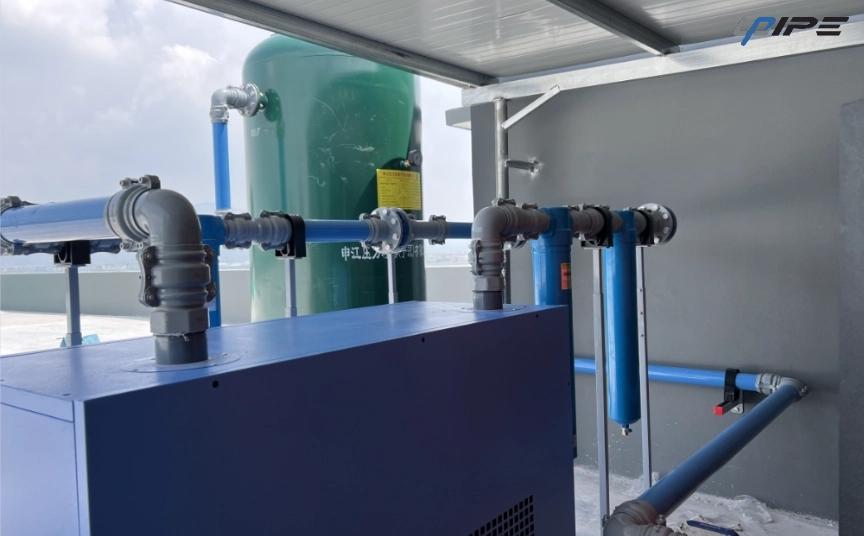
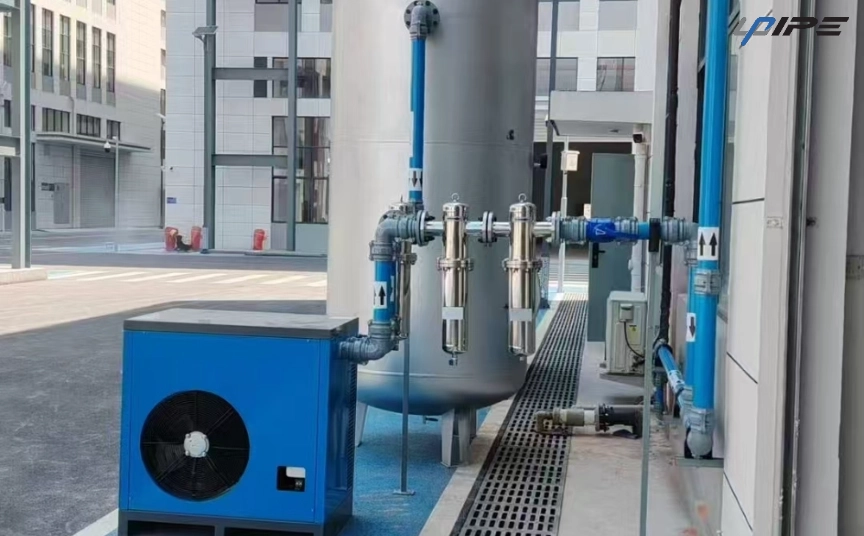
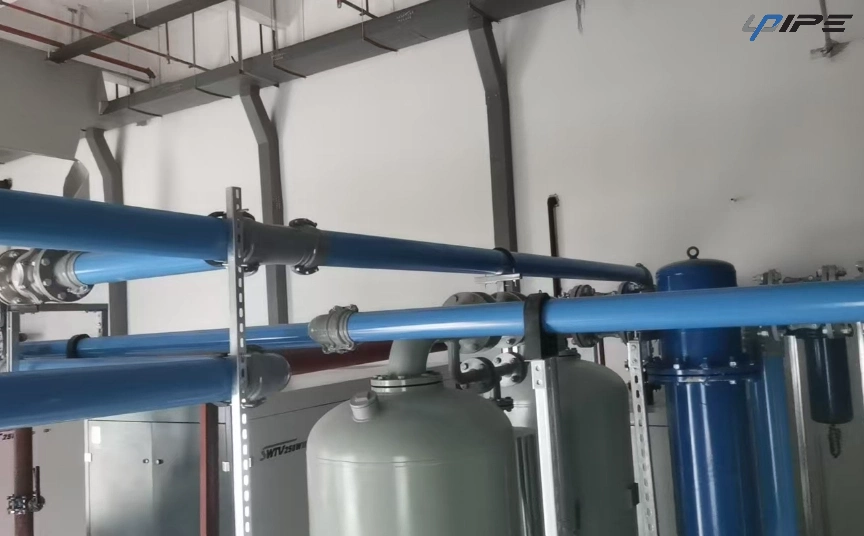
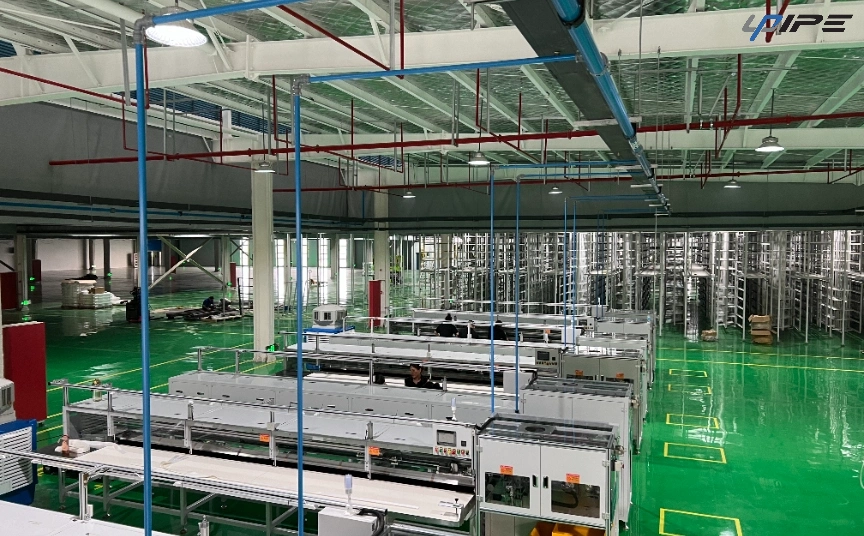
Upipe is another example in this category. As an aluminum compressed air pipe supplier, Upipe offers a modular system with fittings, valves, and a flowmeter. The corrosion-resistant aluminum construction suits compressed air, vacuum, and inert gas lines. Quick-drop fittings and ball valves let you build a complete distribution network from standard parts. The modular design cuts installation labor and downtime.
Each provider type fits a different stage of your project. Engineering firms give you independent design and stamped documentation. Manufacturers and distributors give you product-matched drawings and sizing help. Mechanical contractors tie drawings to site installation. Many projects use two of the three. A common pattern pairs an engineering firm's stamped drawings with a distributor's supply-and-layout package.
Begin by checking which drawing standards a provider follows. Ask what standards control the drawings and who checks them. A licensed engineering review adds an extra layer of responsibility to the design. AirSol, for instance, offers licensed compressed air engineering consulting and stamped drawings. That stamp matters when a permit or an inspector needs a professional seal.
Written design assumptions matter just as much. A trustworthy provider writes down the basis for pipe sizing, pressure drop, and air quality targets. You can then check the logic and compare it with your own process needs. Ask for the assumptions in writing before you approve any drawing. A provider that cannot explain its sizing decisions leaves you with drawings you cannot verify.
Expected Deliverables
Deliverables differ by provider type, so compare them one by one. The table below lists the common types and what each one gives you.
Deliverable
What it gives you
Layout drawings
Pipe routes, drops, and equipment locations
Isometrics
Pipe lengths, fittings, and bill of materials
Stamped drawings
Licensed review for permits and inspections
AutoCAD files
Editable drawings your team can revise
Installation specifications
Written guidance for the install crew
3D design tools
Layout modeling before you cut pipe
RapidAir offers a free System Designer as an example of the 3D tool category. You can model a layout and check the fit before installation starts. Ask each provider for a sample of every deliverable you need. Compare the level of detail and confirm the file formats. A provider that shares samples up front shows confidence in its work.
Choosing the Right Compressed Air Pipe Company
Application Fit and Efficiency
Start with the size of your system. A small workshop with a few drop points needs a different design than a large plant with long runs and many branches. Figure out your total air demand, your peak flow, and the distance from the compressor to the farthest drop. These three numbers shape pipe diameter and layout. A provider that skips this step will give you drawings that look fine on paper but underperform in service.
Layout comes next. Pipe routing affects pressure drop, and pressure drop costs you energy. Every bend, tee, and undersized section adds resistance. Ask each provider to show a pressure drop analysis for your proposed layout. A good analysis compares the pressure at the compressor outlet with the pressure at the farthest point of use. You want that gap to be small, because a compressor must work harder to overcome it. The analysis should also plan for future expansion, so you do not outgrow the network in a year.
Material fit decides long-term performance. Aluminum suits most compressed air networks. It resists corrosion, installs quickly, and keeps air quality stable. Stainless steel fits harsh environments and high-purity needs. Modular systems let you add drops and branches without cutting and rethreading pipe. Atlas Copco's AIRnet line covers both aluminum and stainless steel. Upipe's aluminum system uses modular fittings, quick drops, and valves, so you can build a complete network from standard parts. Match the material to your environment, your air quality target, and your budget.
What a Compressed Air Pipe Company Should Provide
Ask for a complete support package before you sign. The package should include sample drawings, so you can judge detail and format. It should include sizing and layout help from someone who understands air systems, not just pipe catalogs. Kaeser's engineering team, for example, helps with drawings, installation specifications, and system design. AirSol adds licensed review and stamped drawings when your project needs them.
Installation guidance matters too. Request written specifications for supports, slopes, and connection methods. Ask whether the provider offers on-site help during commissioning. After-sales technical support completes the package. Confirm who answers your call when a fitting leaks or a flowmeter reads wrong. A compressed air pipe company that stands behind its drawings and its parts will tell you this up front. Get the support terms in writing, and compare them across providers before you choose.
Your compressed air system has to follow the rules set by your facility and local authorities. ISO 8573 sets air quality classes for particles, water, and oil. Tell every provider your target class and ask how the design meets it. Local codes cover pipe support, pressure ratings, and electrical work near the compressor. A provider that knows these rules saves you rework at inspection time.
Documentation proves compliance after the install. Ask for stamped drawings where permits apply, plus written design assumptions and material certificates. AirSol offers licensed review and stamped drawings, which helps when an inspector asks for a professional seal. Keep rebate paperwork in the same file. IESO rebate support, for example, can offset part of the project cost, and the application needs documented design details.
Pricing and Support Packages
Pricing models fall into three groups, and each one has a different trade-off. Design-only pricing charges for engineering hours. You own the drawings and can bid the install to any contractor. The trade-off is that design risk sits with you if the drawings and the parts do not match.
Supply-and-design pricing bundles product with layout and sizing help. Atlas Copco and Kaeser both work this way, pairing piping systems with engineering teams. You get drawings matched to the parts you buy, and one contact for both. The trade-off is less freedom to source pipe elsewhere.
Installation-linked pricing ties drawings to a mechanical contractor's scope. You get one point of contact from drawing to commissioning. The trade-off is that design responsibility may rest with the contractor, so confirm this in writing.
Whichever model you choose, request the support terms in writing. A reliable compressed air pipe company lists what its package includes: sample drawings, sizing help, installation guidance, and after-sales technical support. Compare those lists side by side before you sign.
Three kinds of providers serve this market: engineering firms, manufacturers and distributors, and mechanical contractors. The best compressed air pipe company for you depends on what you need. If you only need design drawings, choose an engineering firm. If you want a full supply-and-design package, choose a manufacturer or distributor. If you need support tied to installation, choose a mechanical contractor.
Use this checklist to compare candidates:
Credentials: licensed review and written design assumptions
Deliverables: layout drawings, isometrics, and stamped files
Application fit: sizing, layout, and pressure drop analysis
Compliance: ISO 8573 targets and local codes
Cost: pricing model and rebate support
Support: installation guidance and after-sales help
Ask for sample drawings and written support terms before you pick a provider.
FAQ
Who can provide stamped engineering drawings for a compressed air piping system?
You need a licensed engineering firm to get stamped drawings. AirSol offers licensed compressed air engineering consulting and stamped drawings. Some manufacturers and distributors give layout and sizing help, but a professional seal usually comes from an engineering firm. Check with your local inspector early to confirm the stamp requirement.
Do manufacturers and distributors charge for layout and sizing support?
It depends on the provider and the project. Atlas Copco and Kaeser pair piping systems with engineering teams that help with sizing, layout, and system design. Many suppliers include this help when you buy a product. Ask each provider what its package covers, and get the terms in writing.
Can one company handle both the design and the installation?
Yes. Mechanical contractors often provide drawings and installation-linked support from one contact. Confirm in writing whether the contractor holds design responsibility or only installs to another firm's drawings. This distinction matters when a problem shows up after commissioning.
How do you check a pressure drop claim before you approve a layout?
Ask for a written pressure drop analysis. The analysis should compare pressure at the compressor outlet with pressure at the farthest point of use. Request the design assumptions behind the pipe sizing. A provider that explains its logic gives you drawings you can verify.
What should you request before signing with a compressed air pipe company?
Request sample drawings, written sizing and layout help, installation specifications, and after-sales support terms. Ask about ISO 8573 air quality targets and rebate support such as IESO where it applies. Compare these items side by side across providers before you commit.
This website uses cookies to provide you with a safer and more personal experience. By accepting, you agree to the Cookie Policy and the use of cookies for advertising and analytics purposes.