Home > News > Blog > Which Compressed Air Pipeline Company Supports Factory Modernization?
# Blog
Which Compressed Air Pipeline Company Supports Factory Modernization?
2026-09-25
Share:
Atlas Copco, Ingersoll Rand, Kaeser, and Upipe lead factory modernization with energy-efficient piping, smart integration, and reliable support. Choose the best compressed air pipeline company for your needs.
Atlas Copco, Ingersoll Rand, Kaeser, and Upipe lead factory modernization. They offer new piping systems, energy savings, and smart factory tools. These companies help cut energy costs and reduce downtime. They also connect compressed air to automated and IoT systems.
The US has a significant share of the world's compressed air piping market. A large number of factories depend on these systems. That size makes your choice of a compressed air pipeline company very important.
Each of these four leaders brings different strengths to modernization projects. Their piping solutions give cleaner air, faster installation, and long-term reliability for expanding factories.
Key Takeaways
Compressed air is a key utility in today's factories. It runs tools, robots, and automated systems.
Bad pipes waste power and cash. Leaks and pressure loss make your power bill go up.
Leading companies like Atlas Copco, Ingersoll Rand, Kaeser, and Upipe provide various advantages for factory upgrades.
You use compressed air every day in your factory. Engineers call it the "fourth utility" next to electricity, natural gas, and water. This name shows how important it is on the plant floor. Compressed air runs pneumatic tools, robotic arms, actuators, and clamps. It controls pick-and-place machines and handles delicate parts like glass panels and electronics. Your automation system needs it for exact, repeatable movement.
Pneumatic end-of-arm tooling uses compressed air because it is light and saves money. Pneumatic actuators run pick-and-place machines in automotive assembly and semiconductor handling. Pneumatic grippers hold objects in packaging and assembly processes. Your conveyor belts, vacuum systems, and cleaning stations also use the same supply. You make compressed air in one place and send it through a pipe network to every point of use. This distribution works like water or natural gas delivery across your facility. The energy to make compressed air accounts for 70 to 80 percent of your compressor's lifetime cost. You invest a lot in this utility, so you must deliver it efficiently.
How Poor Piping Undermines Modernization
Old piping wastes your energy investment. Leaks cause the most damage. A single ¼-inch leak can cost you between $2,500 and more than $8,000 every year. Poorly maintained systems across the US waste up to $3.2 billion annually. Your compressor works harder to replace lost pressure. Leaks can waste 20 to 30 percent of your compressor's total output.
Pressure drops create more trouble. Every 2 PSI increase in pressure raises energy use by about 1 percent. A 20 PSI loss through restrictions wastes roughly 10 percent of your energy costs. Common causes include undersized pipes, sharp bends, clogged filters, and corrosion. Corrosion roughens pipe interiors and increases friction over time. Moisture in your system promotes this corrosion.
Your compressed air system accounts for 20 to 30 percent of your total electric bill. The US Department of Energy found that 10 percent of all industrial electricity goes to compressed air. Poor piping hurts your bottom line and slows your production. Low pressure reduces tool and equipment performance. Your modernization efforts require clean, consistent airflow. Your piping system must deliver it. Growing investments in factory upgrades increase the demand for reliable compressed air distribution.
Top Compressed Air Pipeline Companies for Modernization
Atlas Copco and Ingersoll Rand
Atlas Copco makes smart, modular piping systems for Industry 4.0. Their products link easily with automated factory controls. With Atlas Copco, you get a strong global service network. Their modular design lets you grow your air system as your factory expands.
Ingersoll Rand focuses on reliability and system integration. Their piping works well with compressor infrastructure you already have. You can add their pipes to your current setup without big changes. Ingersoll Rand also gives dependable performance for tough industrial jobs.
Kaeser and Upipe Aluminum Pipe System
Kaeser delivers energy efficiency and precision engineering. Their piping systems work well for food and beverage plants. Pharmaceutical factories also trust Kaeser for clean air delivery. You get tight control over pressure and flow with their products. Kaeser's engineering cuts waste and keeps your operations running smoothly.
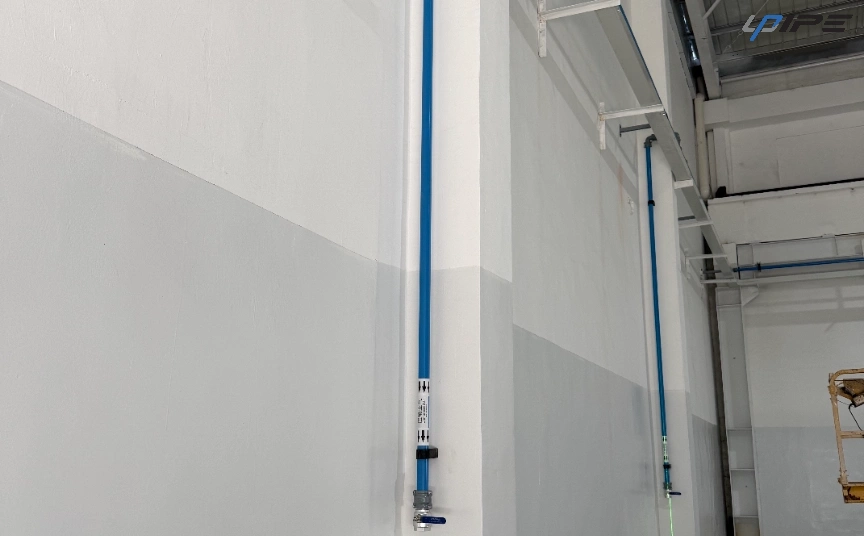
Upipe offers the Upipe Aluminum Pipe System. This system uses pure aluminum with no recycled material. Every pipe has a thickened wall design for added strength. Pipes come with pre-treated raised rings. Each pipe has a non-woven fabric lining and sealed ends. This packaging stops contamination during storage and transport.
The Pipe to Pipe Connectors use an integrated molding process. This process gives uniform strength between the bolt and body. You get higher pressure resistance as a result. The sealing rubber comes from high-quality imported raw materials. This rubber stops air leakage even under vibration or improper installation.
Tees, elbows, and quick drops have special flow-directing shapes. These shapes boost structural strength and reduce pressure loss. Quick Drops have reinforced ribs to prevent breakage. Passive locking accessories use high-strength materials to avoid fracture. Their foolproof, multi-surface sealing removes leakage risk. A gooseneck design stops condensate water from flowing downward into your pipes. This design protects your downstream equipment. Quick Drops are available on-demand and ready-to-use. They save you valuable production time.
Ball valves use integrated aluminum alloy for long-term stability. All pipe clamps include anti-vibration features. These features reduce noise and wear in your system.
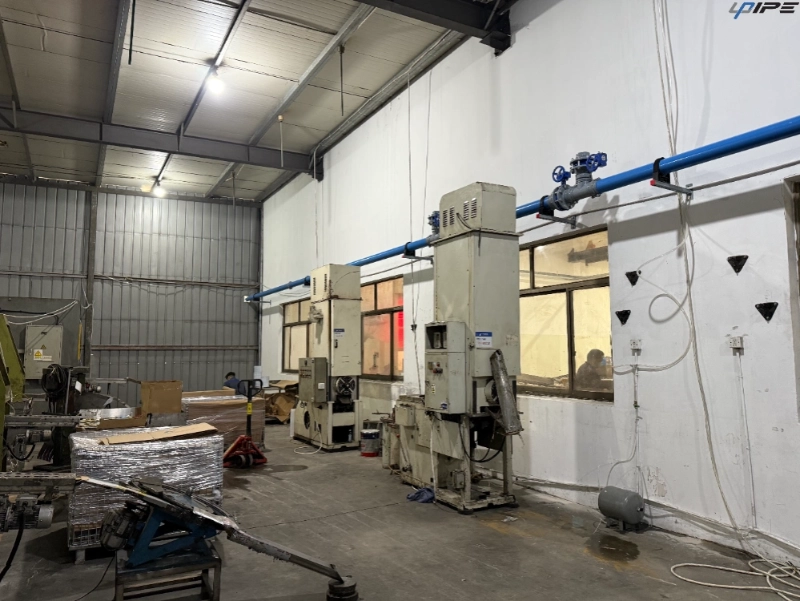
Upipe uses push-fit connections with O-ring seals. You join pipes and fittings by hand. This method removes welding, threading, and special tools. You can add new drops or line extensions without hot work permits or fire watches. Lightweight aluminum cuts installation time compared to steel. Push-fit connections with O-ring seals make sure your assembly has no leaks. Aluminum does not rust inside. This property keeps air quality good and stops particulate contamination.
Other notable companies include AIRpipe, Transair, and Luthra Pneumsys. AIRpipe offers smarter, cleaner, more efficient systems. Transair provides aluminum and stainless steel options that are easy to assemble and modify. Luthra Pneumsys delivers modern engineering upgrades for your factory.
When you choose a compressed air pipeline company, think about these four leaders. Each one brings distinct strengths to your modernization project.
Compressed air can make up as much as 30% of your factory's electric bill. That fact makes saving energy a main goal for any upgrade project. Sealing every leak is at the heart of this work. One unsealed joint leaks air all day and night. You pay for that lost air every hour your compressor runs.
The Upipe Aluminum Pipe System fights this problem in several ways. Its foolproof, multi-surface sealing removes leak risk at every connection point. Passive locking accessories use strong materials to keep joints tight when machines shake. The gooseneck design on Quick Drops stops condensate water from running down into your pipes. This shield keeps your downstream equipment dry and running. Quick Drops also come on-demand and ready to use, which saves you time during setup.
Pressure drop is the second enemy of efficiency. Any blockage in your piping makes the compressor work harder. Upipe's flow-directing tees and elbows cut pressure loss with better shapes inside. Aluminum fights rust, so the pipe inside stays smooth after years of use. A smooth bore means steady pressure at every drop point. You get stable airflow for your tools and machines without pushing the system too hard.
Integration with Automation and Monitoring
Modern factories run on data. Your compressed air system should join that data flow. Smart sensors now go right into the compressed air network. They measure air flow, dew point, and pressure where you use the air. These sensors talk wirelessly to a central platform. Operators can then watch conditions from the compressor all the way to the end of the line without hardwiring.
Other systems link pressure and flow sensors along your pipelines through Single Pair Ethernet. An IoT adapter turns the analog signals into digital ones and sends live values over MQTT. The data goes to an edge server that saves it in a database. A web dashboard then shows pressure curves, flow rates, and leak frequency. You get both live insights and past analysis from one screen.
Siemens' SIMATIC Edge solutions are increasingly being deployed alongside industrial automation systems to support localized analytics and intelligent equipment control.
Comparing Leading Compressed Air Pipeline Companies
Innovation and Technology Comparison
What separates these companies most is how pure their materials are. Upipe uses pure aluminum with no recycled material for every pipe. Other companies often mix recycled aluminum or alloys into their pipes. That difference matters for rust resistance and air quality over time. Upipe also makes its connectors with a special molding process. This process gives even strength between the bolt and body. The result is stronger joints that can handle higher pressure.
Different brands have different connector and seal technology. Upipe uses sealing rubber from high-quality imported raw materials that stays tight even when machines shake or parts aren't installed perfectly. Its tees and elbows are shaped to guide air smoothly and reduce pressure loss. Pipe clamps that stop shaking also lower stress on fittings and seals. Atlas Copco and Kaeser have good modular designs, but Upipe's pure materials and careful seals give you an edge in stopping leaks.
Service, Support, and Scalability
These companies have very different service coverage. Atlas Copco has a vast network of service locations worldwide, including many company-owned centers in North America. Kaeser has a wide network of authorized service centers and distributors, including locations in North America. That difference matters when you run many plants. One operations manager said Atlas Copco gives steady service quality across multiple plants, but Kaeser's distributor quality changes a lot.
Installation speed and the ability to grow also set these companies apart. Upipe's push-fit connections are quick to install. Old galvanized steel takes much longer because you have to thread it on site. That makes Upipe significantly faster to install. You can add drops or extend lines without needing hot work permits. The Wasmer Company showed how much a custom approach helps. They teamed up with Kirsh Foundry in Wisconsin to fix compressed air problems and lower costs. IAS Texas only recommends top-grade aluminum piping systems for the best long-term return. When you look at any compressed air pipeline company, think carefully about these service and scalability factors.
How to Choose a Compressed Air Pipeline Company
Assessing Your Factory's Modernization Needs
Start by getting a clear view of your current system. Write down your CFM demand, pressure levels, energy use, and load hours. Keep this data for planning. Check it often so you can change when production shifts. A remote monitoring tool helps you track things over time.
Bring in a compressed air expert to help with your review. Ask them to start with a system audit. They should measure your real CFM demand while the factory runs normally. Do this over a few weeks. Then compare that number to your compressor's rated capacity. This tells you if your compressor is too big or too small.
Schedule a full system audit when big changes happen. Examples include adding new production lines, large demand shifts, or old equipment issues. Do a thorough review periodically even without major changes. Do smaller checks all the time as part of normal upkeep. Look for leaks, check energy bills, and watch pressure levels.
Parts last longer than they should; repairs get expensive and urgent
Not enough capacity
Old system can't grow, so production is limited
Unexpected shutdowns
Old system fails, turning an upgrade into an emergency fix
Site visit by a partner
A consultant checks the live factory floor for a no-stop rollout
System design and layout review
You need a custom design, not standard units
Planned setup and tuning
Makes sure the upgrade works right for your plant
Evaluating Compressed Air Pipeline Company Features
Ask tough questions about material quality. Does the piping resist rust, scale, and corrosion over time? Does it help deliver cleaner air and protect equipment downstream? Compare materials side by side. Aluminum costs more upfront but fights rust and can lower energy and upkeep costs over time. Copper is very durable but costs a lot more. Plastic works for simple setups but may not handle high-demand systems. Black iron and galvanized steel are strong but rust inside, which raises upkeep and air quality costs.
Look at sealing tech and pressure drop performance. A poorly built distribution system causes too much pressure drop. This forces higher plant pressure and raises costs. Find piping that uses few elbows, tees, and tight spots. Modular designs with reusable fittings make setup, changes, and growth easier.
Installation time affects both upfront cost and long-term upkeep. Quick-connect and modular piping systems save time during upgrades or fixes. Materials that resist rust and scaling cut cleaning and inspection time. Standard parts make replacements easier to find.
Think about long-term ROI carefully. Figure out total cost of ownership. Include installation, energy efficiency, and expected life. Add in downtime costs from leaks or repairs. Fixing leaks can save hundreds or thousands on yearly energy bills. A VSD air compressor can lower energy costs by matching motor speed to actual air demand.
Leaks in the air pipework system can cause high costs. Leak rates depend on system size and maintenance.
Ask for quotes and site visits from several top companies. Compare their findings side by side. This method helps you pick the compressed air pipeline company that best fits your modernization goals.
Atlas Copco, Ingersoll Rand, Kaeser, and Upipe are top compressed air pipeline companies for factory updates. Each one offers different strengths for your project. Think about five important things when you pick a partner: saving energy, smart connections, dependability, material quality, and service support. These things affect how well your system works over time.
The Upipe Aluminum Pipe System works well for factories that want clean materials, exact parts, and easy care. Its pure aluminum build and leak-proof joints give clean air for many years.
Make sure your upgrade goals fit the right compressed air pipeline company. Ask for on-site checks from two or three top choices. Look at what they say. Then pick the partner that best matches your factory's needs. This careful method keeps your money safe and your factory running at its best.
FAQ
Which compressed air pipeline company is best for factory modernization?
No single company is the best for every factory. Atlas Copco and Kaeser lead in global service and smart controls. Ingersoll Rand works well for sites that already have compressor infrastructure. Upipe stands out for pure materials and leak-free connections. Pick the company that fits your air demand, automation level, and budget.
How much can a new piping system cut my energy costs?
Compressed air can reach 30% of your factory's electric bill. Leaks waste 20 to 30 percent of compressor output. A leak-free aluminum system with low pressure drop cuts that waste. You also avoid the 1 percent energy rise that comes with every 2 PSI of extra pressure.
What makes aluminum piping better than steel for modernization?
Aluminum resists rust inside, so the bore stays smooth and air stays clean. Steel corrodes over time and raises friction. Upipe uses pure aluminum with no recycled material. Push-fit joints install in minutes without welding or threading. You can add drops later without hot work permits.
Can a new pipeline connect to my existing automation and IoT systems?
Yes. Modern piping works with pressure and flow sensors placed at each drop point. These sensors send data to your SCADA or Building Management System. You get live pressure curves, flow rates, and leak alerts. This link supports predictive maintenance and keeps your automated lines running.
How long does installation take, and will it stop production?
Upipe push-fit connections are quick to install. Galvanized steel takes much longer because you thread it on site. That makes aluminum significantly faster to install. Most upgrades run in phases, so you keep production moving while crews work section by section.
This website uses cookies to provide you with a safer and more personal experience. By accepting, you agree to the Cookie Policy and the use of cookies for advertising and analytics purposes.