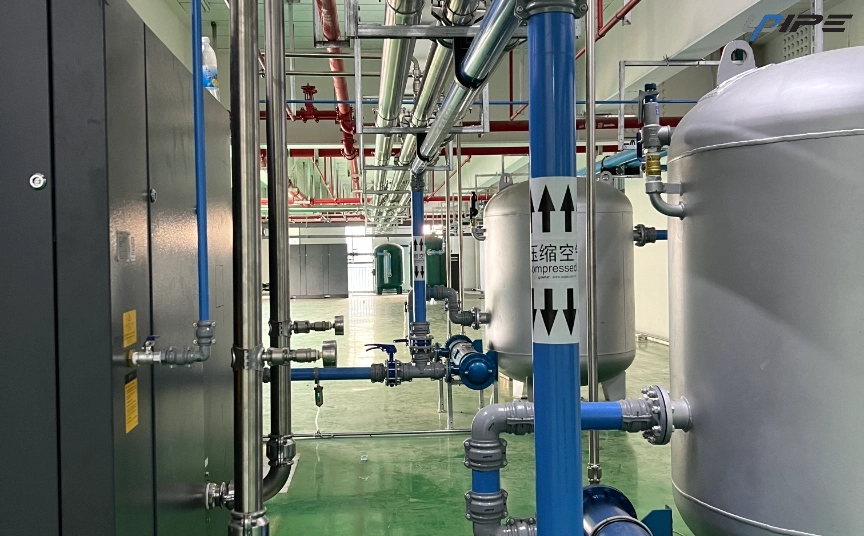
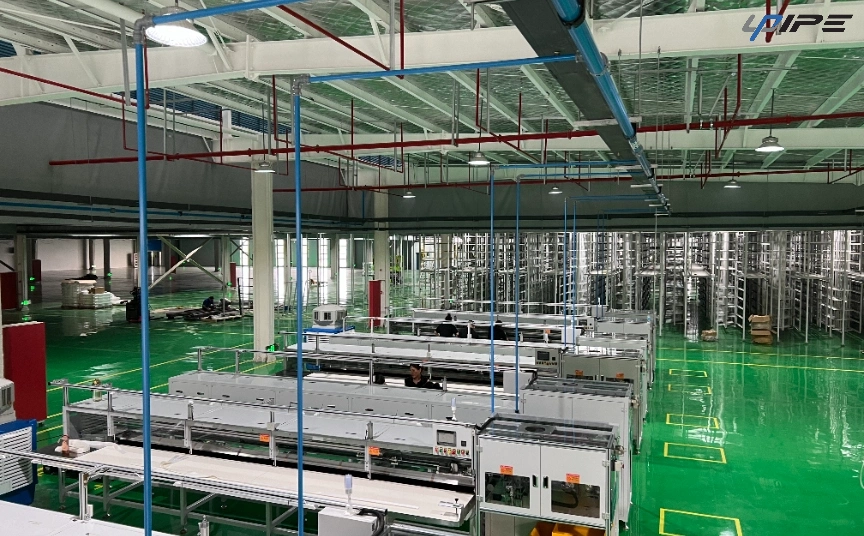
You must pick a strong, corrosion-resistant air pipe system to protect your damp factory environment. Top industry experts recommend aluminum pipes (like Upipe aluminum systems), stainless steel press setups, and fabric dispersion for wet plants. Constant room humidity, heavy wash-down cleaning, and internal moisture quickly ruin normal pipe materials over time. This severe rusting dirtying downstream compressed air causes leaks and leads to expensive pressure drops. Because of this, plant engineers must check specific job needs before choosing new equipment. You should study local chemical exposure, building speed, and total long-term costs to keep good air flow throughout your facility.
Key Takeaways
Do not use black iron or PVC pipes because rust reduces airflow and high air pressure can shatter plastic.
Use snap-together parts to lower setup work expenses and make later factory improvements much faster.
Put in rust-resistant setup parts and check the automatic drains often to prevent water damage throughout your building.
Mechanics of Corrosion in Humid Plants
Damp factory air constantly attacks your compressed air equipment from both inside and outside the pipe walls. You face severe damage daily because wet environments speed up metal decay across your whole piping network.
Internal Condensate and External Atmospheric Threats
Air compressors pull in wet surrounding air and trap water vapor during the squeezing process. As hot air cools inside your supply lines, liquid water forms directly against cold metal surfaces. This internal water reacts with carbon steel or black iron through a damaging three-step process:
Liquid water forming on inside iron surfaces mixes with oxygen, starting the chemical reaction that creates flaky iron rust.
The trapped water soaks up airborne dirt like carbon dioxide and sulfur dioxide, creating harsh acidic liquids like carbonic acid.
This change lowers the liquid's pH level, creating a strong acid that digs small holes into metal and speeds up total rusting.
Outside the pipe, your factory environment creates extra dangers. High room humidity combines with frequent floor wash-downs to keep outer pipe surfaces wet. Chemical cleaners and salty air speed up outside rusting. This two-way attack destroys standard metal pipes much faster than dry indoor setups.
Pressure Losses and Air Contamination Costs
Inside rust creates rough, bumpy surfaces along your pipe walls. These uneven surfaces increase air friction and slow down flow inside the pipe network. You lose air pressure over distance, so your air compressors must work much harder. Extra compressor work wastes lots of electricity and raises your monthly energy bills significantly.
Water inside compressed air systems speeds up the rusting and decay of inside pipes. As rust builds up, it creates loose dirt, flakes, and solid dust pieces. When these rusty bits mix with moving air and water drops, they travel down the line to work areas. In careful fields like drug making or food production, this floating dirt lands in products, causing flaws, hurting safety rules, and spoiling items faster.
Evaluating Corrosion-Resistant Air Pipe Options
Modern industrial plants choose the Upipe High-Reliability Quick-Install Pipeline System as a trusted choice for liquid transportation. You need sturdy, rust-resistant air pipe materials to shield your factory from ongoing water damage, air flow friction, and costly work slowdowns. Picking high-tech piping setups keeps your factory air lines clean, tight, and very energy-smart through busy manufacturing days over many years.
Aluminum and Stainless Steel Pipeline Performance
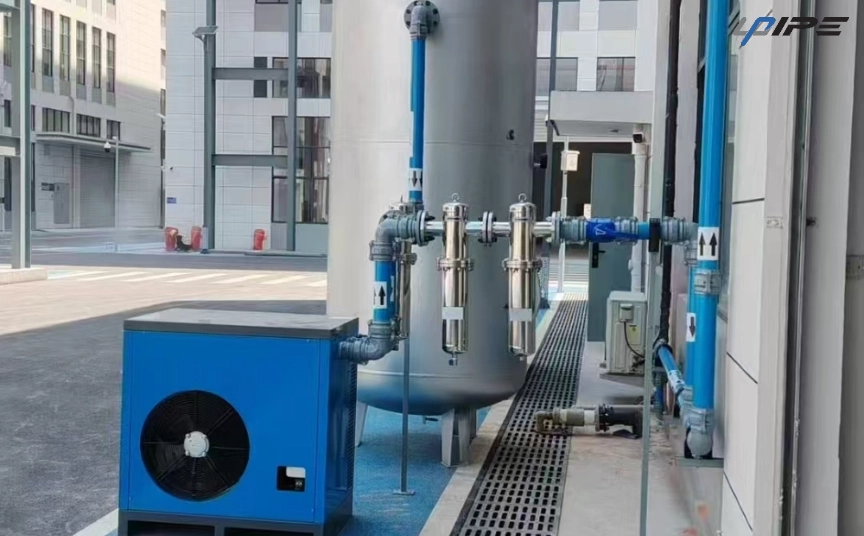
Upipe Aluminum Pipe Systems provide great defense against heavy air humidity and trapped internal water buildup. Their special blue aluminum pipes use smart, extra-smooth inside walls. These smooth inner surfaces lower pressure losses, cut air movement resistance, and block compressed air leaks. Because of this, your air compressors use less power to hold steady working pressures. Old black iron pipes rust fast, grow rough inside crust, and dump risky rust flakes right into air tools. Smooth aluminum surfaces stop rust growth entirely and keep clean air flowing.
Top load-carrying strength (plastic holds only ~9.2% of this rating), stopping air leaks from outside hitting forces
Thermal Expansion Coefficient
1/4 of standard plastic products
Reduces joint wiggling and stops seal breaks/leaks when room temperatures shift around
Connection Integrity
Permanent "dead" press-fit connection
Gives strong shake-proof performance, preventing loose fittings from machine thumps, water hammer, or ground tremors
Putting in a stainless steel rust-resistant air pipe layout ensures strong pressure and heat protection. Solid press-fit joints stop structural breaks, pipe cracks, and air leaks during sudden pressure spikes. You protect nonstop shop safety while cutting back overall repair costs.
Fabric Dispersion and Alternative Materials
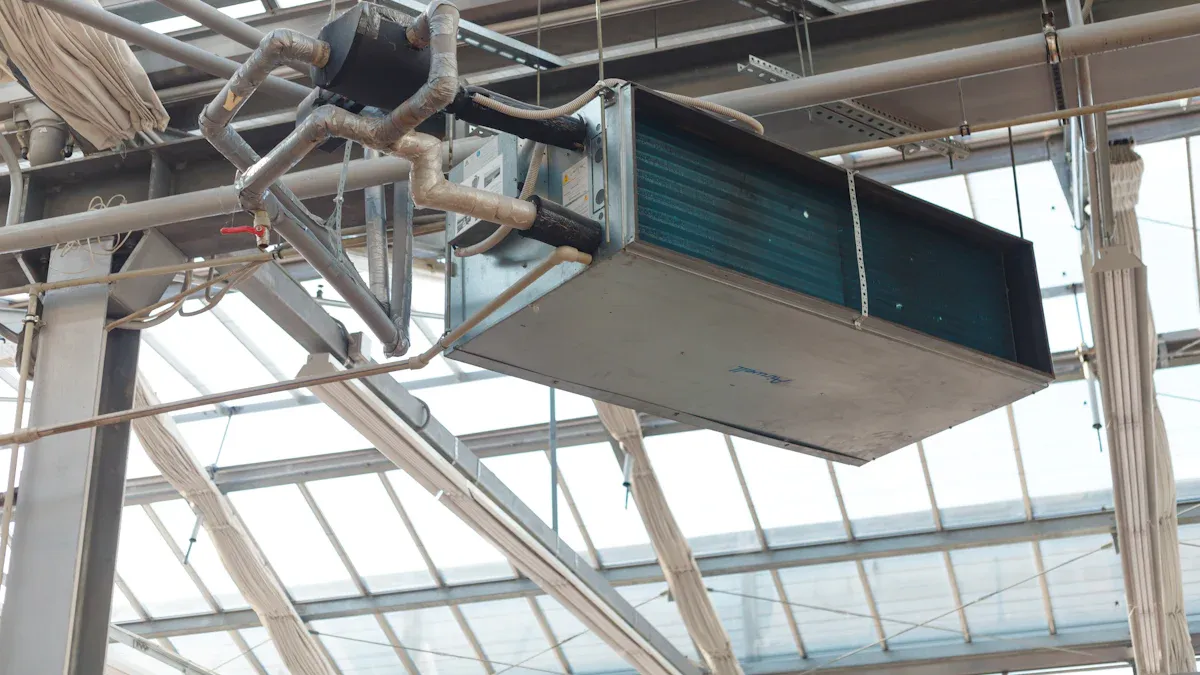
Fabric air spreading setups offer a light substitute answer for open-room air flow in wet factory bays. Special woven fabrics let treated air out smoothly across the duct body. This steady air sweating keeps outer wall temperatures comfortably higher than the local dew point. This smart air movement stops water pooling on outside surfaces. You skip buying costly heat insulation because dry outer fabric covers remove rust triggers completely.
On the other hand, plain plastic materials cause serious work dangers inside pressurized air lines. You should never use basic PVC pipes for high-pressure factory air systems because of sudden cracking risks.
Explosive Shattering: Weak PVC blasts apart dangerously under internal air force, flying sharp plastic shards through work zones at fast speeds.
Regulatory Violations: OSHA heavily fines plants that run unprotected above-ground PVC pipe lines for high-pressure gas movement.
Pressure Limitations: Rules like ANSI/ASME B31.8 cap plastic gas pipe pressure at 100 psi max and ban bare above-ground layouts.
Setting up an approved metal rust-resistant air pipe network guards plant staff from sudden pipe blasts and bad flying debris injuries. Smooth-inside aluminum and stainless steel setups keep steady pressure levels, cut total electricity costs, and guarantee complete rule compliance throughout busy modern factories.
System Selection for Harsh Environments
You must pick air line materials by looking at your plant's daily weather risks. Unique factory spaces carry different daily working hazards. You guard your factory lines by matching pipe traits to exact work threats.
System / Environmental Factor
Selection Consideration
Recommended Materials
Material Corrosion Resistance
Custom metal mixes handle harsh chemical contact without breaking safety rules.
Aluminum, Stainless Steel, Coated Steel
Humidity & Dampness
Pipe materials constantly deal with heavy inside water drops and damp air.
Aluminum, Stainless Steel, Steel
Environmental & Temperature Variances
Strong metals resist shifting weather patterns and changing work room heat.
Pipes stay strong under tough pressure demands and strict clean air needs.
Stainless Steel, Aluminum
Cost & Future Expansion
Plant leaders weigh start-up build costs against future system changes.
Modular Aluminum Systems
Food Processing and Wash-Down Applications
Food production plants need deep cleanings to stop unsafe germ growth. Cleaning workers spray strong chemicals over equipment every day. Grade 316 and 316L stainless steel give top-rated protection during heavy chemical washings inside food plants. They offer better defense against harsh cleaning soaps, bleach, salt water, and strong acids compared to plain Grade 304/304L metals.
You keep product lines safe when your air system stops chemical wearing. A top-quality corrosion-resistant air pipe keeps its smooth inner surface after endless chemical washes. Stainless steel press setups block dangerous peeling to keep clean air lines free of loose trash.
Industrial Chemical and Coastal Operations
Ocean-side factory plants face harsh salt air risks along with indoor chemical gases. Floating salt drops destroy bare metal pipes fast using a simple four-step path:
Deposition: Floating ocean salts like sodium chloride, magnesium chloride, and sulfates land on metal pipe covers and line joints.
Electrolyte Formation: The thirsty salt pulls in nearby room wetness, forming a thin, lasting water film over the metal.
Anodic Dissolution & Chloride Penetration: Salt bits eat through the shielding outer oxide skin, starting deep rust spots and tiny surface holes.
Accelerated Rate of Degradation: Standard ASTM B117 tests show salt air makes rust grow 4 to 8 times faster than inland areas, causing line holes and small leaks.
Ongoing sea breezes create extra hidden damage risks across your main building:
Sustained Surface Moisture: Absorbed salt constantly pulls water from humid sea air, keeping metal parts damp long after storms pass to speed up deep pitting.
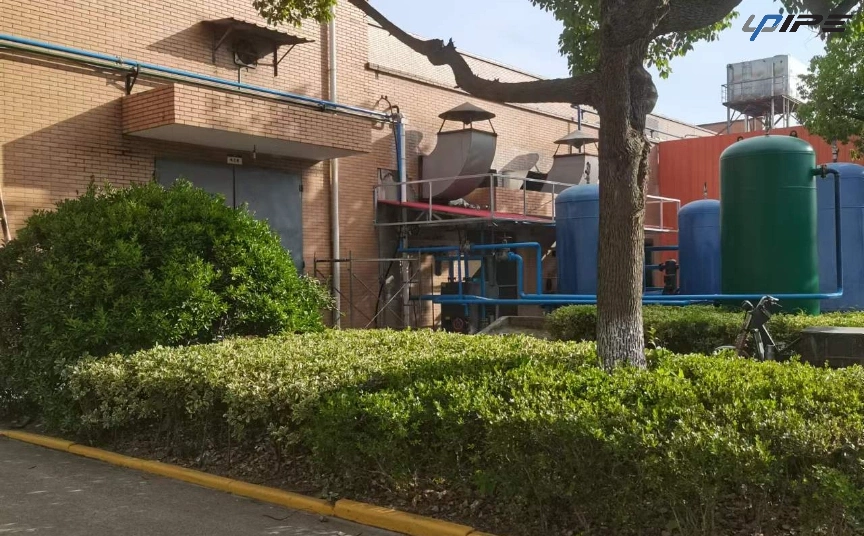
You stop complete system breakdowns by picking strong materials. Ocean areas require top-grade stainless steel or engineered aluminum lines. Modern aluminum systems block floating salt damage while holding clean air inside. Picking the right setup saves your plant from costly small leaks, sudden pressure drops, and complete pipe breaks.
Quick-Install Connections and Hardware
Modular Quick-Connect vs. Traditional Joints
Old-school industrial pipe joining needs hard threading, welding on site, or strong chemical gluing. These slow setup habits boost total work time and raise your initial labor costs a lot. On the other hand, the Upipe High-Reliability Quick-Install Pipeline System uses modern modular quick-connect fittings. Your team can easily put together parts like 90-degree elbows, equal tees, reducing tees, male or female connectors, quick drops, and flanges with very little physical work. This flexible modular design lets your plant crew change compressed air distribution networks fast without special building tools or costly pipe fitters.
Ongoing moisture exposure always threatens old pipe joints and causes expensive air leaks across damp work zones. Upipe quick-connect parts use smart corrosion-resistant materials and strong internal seals. These quality artificial seals stop room wetness and compressed air condensate from ruining joint points in high room humidity. By keeping totally airtight connections, smooth modular fittings stop pressure loss, guard against air leaks, save overall pressure, and cut working energy costs across your whole factory space.
Corrosion-Proof Mounting and Supports
Damp factory spaces need strong hanging hardware to hold air piping safely over busy production lines. Standard carbon steel hangers rust fast in heavy moisture, weaken under physical stress, and drop bad rust flakes onto delicate machines below. You need to put up corrosion-resistant mounting brackets, insulated clamps, and structural supports to hold your industrial air layout tight. Special mounting hardware keeps your main distribution line totally straight, stops line sagging, separates different metals, and protects outer pipe walls from trapped surface water.
Strong structural support frames also soak up heavy machine shaking and stop pipe joint wear over long work lives. Constant machine shaking often loosens cheap pipe fittings in wet wash-down areas. Heavy-duty mounting hardware keeps your compressed air lines fully straight and firm during top factory output. By combining quick-install modular pipelines with rust-proof hanging hardware systems, you bring continuous safe fluid distribution, improve shop floor safety, and support a very efficient industrial production layout.
Evaluating Total Cost of Ownership
Upfront Material Costs vs. Installation Labor
Factory engineers usually look just at start-up sticker prices during early design phases. Classic pipe options like black iron or carbon steel seem cheap on initial order forms. Yet, heavy metal pipes need slow cutting, hard threading, and risky welding right inside your building. These old ways require pricey specialized welders, add many extra work hours, and boost upfront setup costs tremendously.
Newer modular pipe systems change these project finances entirely. You cut complete installation spending by selecting light aluminum or press-fit stainless steel lines. The Upipe High-Reliability Quick-Install Pipeline System uses snap-together parts that connect fast without special equipment or large tools. Your in-house fix-it team builds complex line designs with ease. This quick setup greatly reduces labor costs, cuts worker tiredness, and shortens total plant stoppage during big upgrades.
Energy Savings and Long-Term System ROI
Trapped water causes bad internal rust inside regular steel pipes over time. This rough crust increases air drag, lowers pressure, and makes your air compressors use extra power nonstop. Working compressors harder wastes a lot of electricity every single month. Putting in a smooth-inside corrosion-resistant air pipe preserves clean air pathways, stops peeling rust, and keeps pressure drops tiny across your entire facility.
Smart energy cutting offers big money returns for modern manufacturing plants. Ultra-smooth inner pipe surfaces block wasteful air leaks, guard air tools from bad rust scales, and stop product ruin in wet factories. You lower your monthly power bills constantly while helping downstream gear last longer. Choosing a top-performing corrosion-resistant air pipe setup guarantees steady air flow, lowers maintenance costs, and brings the best long-term value to your plant.
Modern plants quickly replace old iron and unsafe plastic lines. New facilities pick high-performing aluminum and stainless steel pipe networks to end heavy rust.
Choosing easy-to-build, smooth-inside Upipe options lowers energy bills, stops dirt in the air, and cuts pressure loss. Clear inner walls allow clean power to travel smoothly through your whole system.
Check your piping today to catch hidden water harm early. You should track air dampness levels, keep working moisture in a safe zone, and check auto-drains on filters to prevent water pooling. Talk with fluid pipeline pros now to design your rust-proof air line improvements.
FAQ
Why should you avoid standard black iron pipes in high-moisture factories?
Water inside black iron pipes mixes with oxygen and dirt in the air. This causes heavy rust to build up and ruin your clean air. It also slows down the airflow, which raises your monthly power bills over time.
Can you install standard PVC pipes for pressurized compressed air lines?
No, you must never use plain PVC pipes for high-pressure air systems. High pressure can blow PVC pipes apart and shoot sharp plastic pieces through your shop. Official rules limit plastic gas lines to 100 psi and ban exposed overhead builds.
How do Upipe aluminum systems help lower factory energy bills?
Upipe aluminum systems use very smooth inner walls that help air move easily and stop rust from forming. Smooth lines cut down pressure losses in your building, so your air compressors keep steady pressure while using much less power.
What makes stainless steel press-fit systems ideal for wash-down zones?
Stainless steel choices like Upipe Liq-pipe and Wpipe stand up well to strong soaps and constant water. Their tight press-fit joints block air leaks, resist hard hits, and keep working areas safe and clean every day.
This website uses cookies to provide you with a safer and more personal experience. By accepting, you agree to the Cookie Policy and the use of cookies for advertising and analytics purposes.