Home > News > Blog > What Compressed Air Piping Systems Suit Electronics Assembly Plants
# Blog
What Compressed Air Piping Systems Suit Electronics Assembly Plants
2026-09-04
Share:
Discover why modular aluminum compressed air piping systems are ideal for electronics assembly, ensuring ISO 8573-1 Class 1 purity and corrosion resistance.
Your electronics assembly line demands exceptionally clean air, and a modular aluminum Compressed Air Piping System—such as the UPIPE Aluminum Pipe System—delivers that reliability. Engineered to resist corrosion and featuring precision seals, it prevents harmful particulates from ever reaching delicate microchips.
Can your current infrastructure meet ISO 8573-1 Class 1 purity? That benchmark requires particles smaller than 0.1 μm, a dew point below -70°C, and oil content under 0.01 mg/m³. Most legacy systems fall short of this stringent standard.
Your production environment adds further strain. Aggressive cleaning agents challenge pipe surfaces. Continuous vibration from sensitive machinery tests every joint. And with no downtime allowed, you need a Compressed Air Piping System tailored to these exact conditions—not a one-size-fits-all compromise.
Key Takeaways
Choose aluminum pipes because they keep air clean and do not rust.
Aluminum pipes save energy and lower costs over time.
Push-to-connect fittings let you install pipes quickly and with little effort.
Plan your layout with loops and extra drop points so you can change things easily later.
Aluminum systems cost less than steel or copper and can be changed easily.
Why Material Choice Matters for Compressed Air Piping Systems
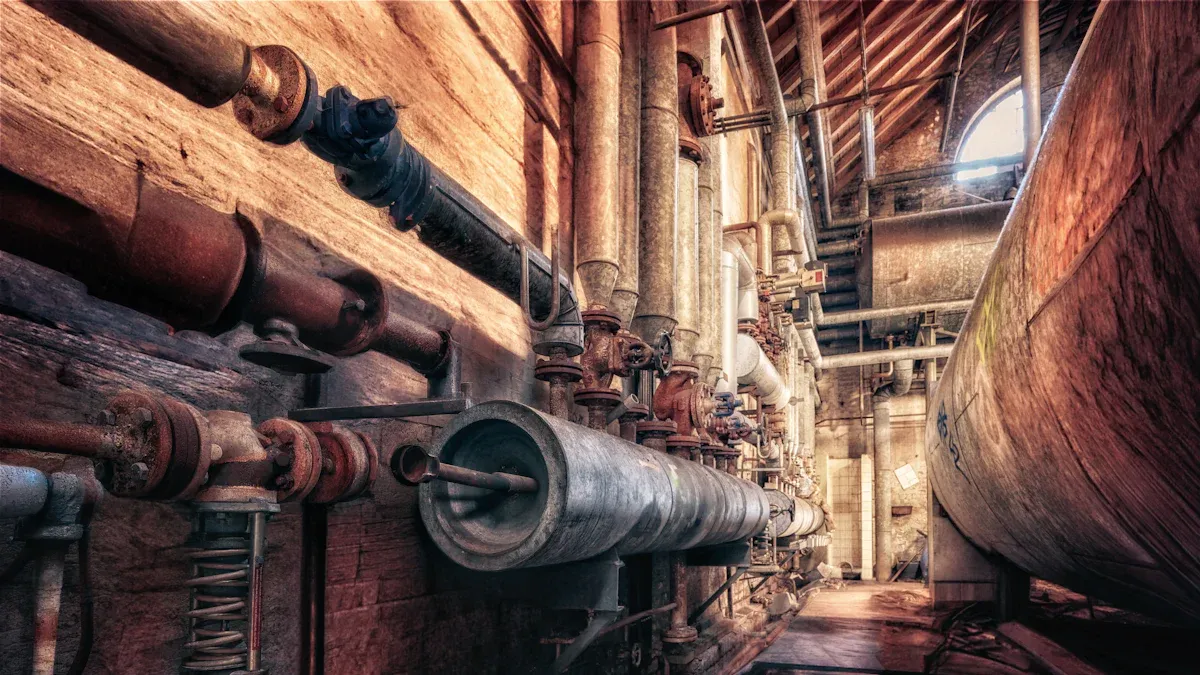
The piping material you pick decides how clean the air is when it reaches your production floor. Older options like black iron and galvanized steel create hidden dangers for electronics makers. These materials rust from the inside when moisture from the air compressor collects on their walls. Rust builds up slowly, and you cannot see it from outside. That rust does more than weaken the pipe structure. It pollutes your compressed air and raises pressure loss throughout the system.
Preventing Contamination and Particulate Shedding
Rust inside black iron piping creates a rough, uneven surface. That roughness traps moisture and dirt, which speeds up more rusting. Over time, rust flakes break loose and enter the air stream. These particles travel straight toward your sensitive electronic parts. A single rust flake can bridge tiny circuit paths and ruin an entire batch of microchips. The cost of that damage is far higher than any savings from picking cheaper pipe materials.
Smooth inner surfaces stop this problem completely. Aluminum and stainless steel pipes have non-porous interiors that resist particle buildup. Air flows across these surfaces without stirring up trapped contaminants because none exist. The difference between materials becomes clear over time. Black iron gets rougher inside as rust continues. Aluminum keeps its original smoothness year after year. This difference also affects your energy use. Rough surfaces create more friction inside the pipe, which makes your compressor work harder. Smooth materials improve airflow and lower energy demand. Your electricity bills show this efficiency gain right away, and the gap grows as older materials keep breaking down.
Resisting Corrosion from Harsh Cleaning Agents
Your electronics assembly area exposes pipes to strong chemicals every day. Cleaning agents used to keep cleanroom standards contain solvents and chemicals that attack unprotected metal surfaces. Black iron and galvanized steel offer little protection against these compounds. The protective zinc coating on galvanized pipe wears thin over time, leaving the steel underneath open to chemical damage. Once that shield fails, rust spreads quickly.
Aluminum forms a natural oxide layer when exposed to air. This tiny film acts as a self-healing shield against chemical rust. Even if cleaning agents scratch the surface, the oxide layer rebuilds fast. Stainless steel offers similar protection through its chromium content, which creates a passive film on the surface. Both materials handle the regular cleaning routines that electronics plants need.
The material choice also affects your maintenance schedule. Rusted systems need frequent checks and eventual replacement of damaged sections. Each maintenance visit risks bringing contaminants into your cleanroom space. Aluminum and stainless steel systems run reliably for decades without this constant care. You spend less time managing your pipes and more time focusing on production quality.
Your Compressed Air Piping Systems investment should focus on long-term air purity rather than saving money upfront. The hidden costs of contamination, pressure loss, and early replacement quickly erase any initial savings from older materials. Modern aluminum systems provide the clean, steady airflow that electronics assembly requires.
Modern Compressed Air Piping Systems have come a long way from the old threaded steel pipes. The best new designs use push-to-connect technology that makes installing and maintaining your air network much easier. These systems do not need threading, welding, or soldering. You just push the pipe into the fitting until it clicks. That one action creates a strong, pressure-rated seal. No torque wrenches. No thread sealant. No waiting for welds to cool.
Leak-Proof Connections and Modular Design
Push-to-connect fittings keep their seal even when your facility shakes. The key is several engineering parts working together. A self-energizing grab ring tightens its grip as line pressure goes up. At 10 bar, the fitting holds much more firmly than at 1 bar. This means higher operating pressures actually make the connection stronger instead of stressing it.
Vibration creates a different problem. Equipment running at 10–500 Hz can cause tiny movements that slowly wear down tubing. The fix requires mechanical support within 50 mm of the fitting. A simple cable tie or tube clamp stops this tube-walk effect. Without that support, wear deeper than 0.15 mm eventually causes a leak.
Thread sealants also play a role. Pre-coated sealants on modern fittings can handle over 500,000 vibration cycles. Standard PTFE tape fails after about 50,000 cycles because it squishes down from its original thickness to under 0.03 mm. O-ring face seals offer another benefit. These parallel-thread connections stop port cracking and handle vibration better than any tape-based seal.
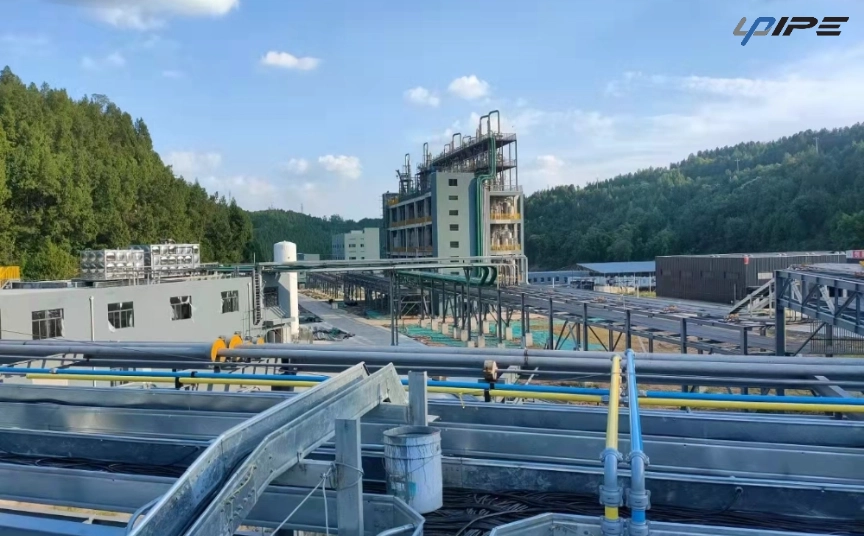
The UPIPE Aluminum Pipe System shows how this modular approach works. Its full range includes 90° elbows, equal and reducing tees, and flanges. Each piece connects quickly without special tools. Future changes become easy tasks. You can add a drop point or reroute a line without stopping production for days.
Ensuring Smooth, Low-Friction Airflow
Friction inside your pipes directly affects your energy costs. Every pressure drop makes your compressor work harder. Industry data shows that a 2 PSI pressure drop raises energy use by about 1 percent. Over a year of nonstop operation, that waste adds up a lot.
Smooth-walled aluminum cuts down this friction loss. The non-porous surface offers less resistance than rusted steel or rough interior finishes. Proper pipe sizing prevents unnecessary restriction. You also reduce turbulence through smart layout choices. Longer straight runs create less resistance than angled sections. When you need bends, pick larger radius curves. Each standard elbow adds noticeable pressure drop, so fewer turns mean better flow. Full-flow tee fittings keep velocity better than restrictive options. These small choices add up to real energy savings across your entire Compressed Air Piping Systems network.
Your cleanroom needs more than clean air. The way your pipes work affects every connection, every drop point, and every production run. Temperature changes and equipment vibration put constant stress on your system. Understanding these forces helps you design a network that stays reliable for decades.
Managing Vibration and Thermal Expansion
Temperature swings happen every day in electronics plants. Equipment makes heat. Cleaning cycles cool the air. Your pipes expand and shrink with each change. Different materials act differently to this movement.
Material
Coefficient (×10⁻⁶ /°C)
Aluminum
23.6
Stainless Steel 304/304L
17.2
Stainless Steel 316/316L
16.5
Aluminum expands more than stainless steel when the temperature changes. This matters for long straight pipes. You need expansion loops or flexible connectors at set points along the line. These parts take up the movement without stressing your joints. The UPIPE system has built-in solutions for this. Good support spacing also stops sagging and keeps connections aligned.
Vibration is another problem. Production equipment creates constant motion. That motion travels through floors and walls into your pipes. Modular aluminum systems handle this stress well. Their push-to-connect fittings hold tight even under steady movement. The design actually tightens as pressure goes up. You get a connection that gets stronger under load, not weaker.
Layout Strategies for Point-of-Use Flexibility
Your production line changes. Products evolve. Equipment moves. Your pipe layout must adjust without shutting down production for weeks. A well-designed network plans for these changes.
Pipe size decides how well your system works. Pipes that are too small cause too much pressure drop. Your compressor then has to work harder to keep the pressure up. This waste adds up fast. Experts say to keep pressure drop below 3 PSI from the compressor to where you use the air. For the main pipes, keep it under 0.1 bar (1.45 psi).
A loop layout is much better than straight pipes. It cuts pressure drop by about 50% compared to a straight system of the same length. You can even use smaller pipes and still get good airflow. Loops also give you a backup. If one part needs fixing, air still flows through the other way.
Your drop points matter too. Put them where you need air now. Set up the system so you can add more later. Modular aluminum systems make this easy. You add a tee, extend the pipe, and connect new equipment. No welding. No threading. No long downtime.
These design choices turn your Compressed Air Piping Systems from a fixed setup into a flexible tool. You can quickly adjust when production needs change.
Comparing Aluminum, Stainless Steel, and Copper
When you look at piping materials for your electronics assembly plant, three choices stand out: aluminum, stainless steel, and copper. Each one has its own strengths and weaknesses. Your pick affects more than just air quality. It also impacts your budget, how long installation takes, and how easily you can adjust as production changes.
Performance and Cost Analysis for Electronics Plants
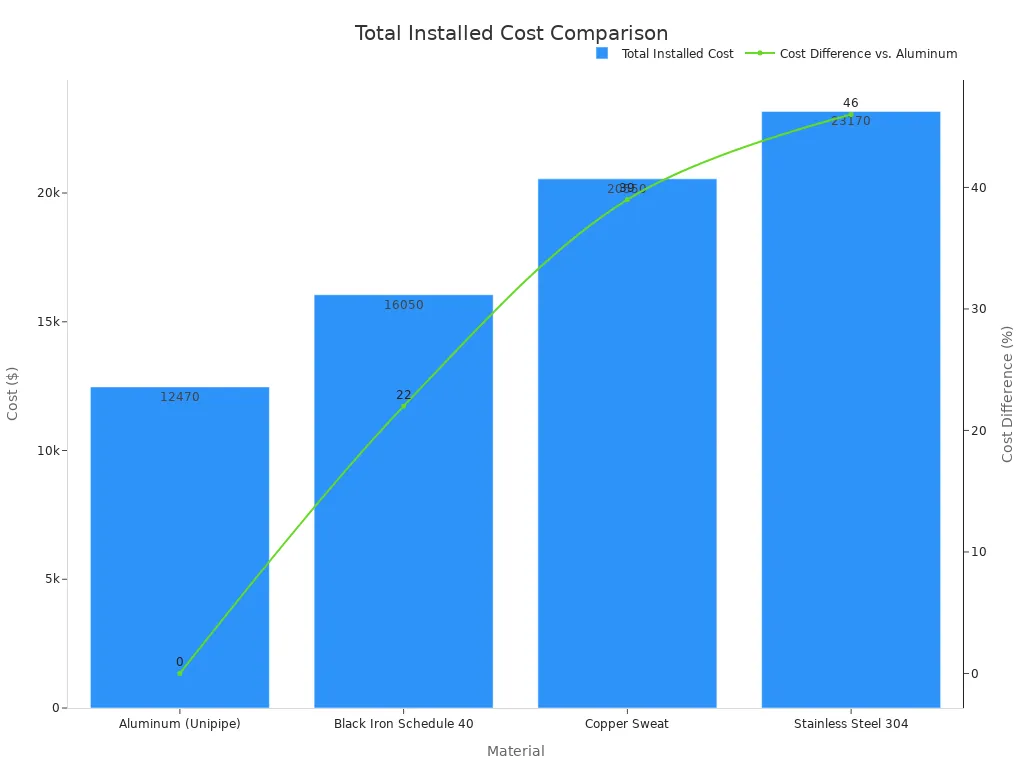
Stainless steel is known for being very durable and resistant to corrosion. It handles harsh cleaning chemicals without breaking down and stays strong for many years. But that strength comes with downsides. Stainless steel weighs a lot more than aluminum, so it needs stronger supports and more effort to handle. The material costs more per foot, and installation requires skilled welders or specialized workers. For a medium-sized facility, stainless steel piping costs about 46% more to install than an aluminum system of the same size.
Copper offers great heat transfer and lasts a long time. Its scrap value stays high, recovering 80–90% of the raw material price when it reaches end of life. Yet copper brings problems in electronics settings. Some cleaning agents and air conditions can damage copper over time. Its expansion rate is nearly double that of aluminum, so long pipe runs need extra material to handle expansion. Installation needs compression or solder joints, which take longer and require more skill. A copper sweat system for a medium facility costs about 39% more than aluminum.
Aluminum gives the best overall balance. Its natural oxide layer resists corrosion from cleaning chemicals. The smooth inner surface cuts pressure drops, lowering energy use by 10–25% each year compared to rougher options. For a 50hp compressor, that efficiency saves $3,000–$5,000 yearly. The full installed cost for an aluminum system in a medium facility is about $12,470, compared to $20,550 for copper and $23,170 for stainless steel. Payback periods range from immediate for large operations to 1–2 years for smaller workshops.
Installation and Scalability Advantages of Modern Systems
The UPIPE Aluminum Pipe System shows why modular aluminum beats traditional materials during installation. Its push-to-connect fittings remove the need for threading, welding, or soldering. Each joint takes 3–5 minutes to finish, while welded steel connections need 15–30 minutes. You only need 1–2 workers instead of 3–4. This speed means installation is about 60% faster than steel and cuts labor costs by roughly 50%.
Scalability matters just as much as the first installation. Production lines change often in electronics manufacturing. Traditional steel piping needs a full shutdown, draining, cutting, and re-threading whenever you add a drop point. Aluminum systems allow "hot taps"—technicians put on a saddle clamp and drill into the pressurized pipe without stopping production. You expand your Compressed Air Piping Systems without losing any uptime.
Plan your network with future growth in mind. Install a ring main around your facility perimeter for balanced expansion. Use vertical drops with drain points for easy branch additions. Put high-demand equipment on their own branches to separate new loads. Add isolation valves for zoning, so you can extend sections without shutting down the whole system. These steps ensure your piping infrastructure grows along with your production capacity.
The evidence points clearly toward aluminum for electronics assembly. It offers competitive performance with lower upfront costs, faster installation, and unmatched flexibility. Your Compressed Air Piping Systems investment should support future growth, not limit it.
Your electronics plant needs a modular aluminum Compressed Air Piping Systems setup. The UPIPE Aluminum Pipe System gives the clean air and rust resistance your work needs.
The starting cost may be more than cheaper options. But the savings come fast. You pay less for fixes. Your power bills drop because leaks stop. Bad product rates fall a lot. These savings add up each year.
Think of your pipes as a key part of making products, not just a basic tool. This setup directly helps you beat competitors. Buy a system that can grow and change. Your work lines will shift. Your pipes should change without costly stops. Pick aluminum modular now for steady work later.
FAQ
How often should I inspect my aluminum piping system?
Check your system every six months. Look for leaks at the connections and check the pressure readings. Looking at the system closely will catch most problems early. Since aluminum has a smooth surface that resists buildup, you will not need to check it as often as steel systems.
Can I connect the UPIPE system to my existing compressor?
Yes, the system works with any standard compressor. The modular design has male and female connectors that fit your current equipment. You will not need special tools or adapters. Installation takes a few hours, not days.
What happens if my production line changes layout?
You just add new parts to the existing network. The push-to-connect fittings allow hot taps without turning off the system. You can add drop points or extend lines within minutes. This flexibility keeps your production running during changes.
Is the UPIPE system compatible with existing black iron piping?
You can connect aluminum to existing black iron sections using the provided transition fittings. However, you should replace black iron sections over time. Rust particles from old steel pipes still contaminate your air supply even with new aluminum drops.
This website uses cookies to provide you with a safer and more personal experience. By accepting, you agree to the Cookie Policy and the use of cookies for advertising and analytics purposes.