Home > News > Blog > How to Choose a Compressed Air Piping System with Low Leakage Risk
# Blog
How to Choose a Compressed Air Piping System with Low Leakage Risk
2026-08-11
Share:
Choose modular aluminum or stainless steel with double-O-ring fittings for a low leakage risk, smooth air delivery, and minimal pressure drop in your plant.
Modular aluminum piping systems with double-O-ring mechanical fittings offer a low leakage risk and stop big pressure drops. Threaded black iron pipes loosen and leak over time. Also, compressor oils break down weak PVC pipes and cause major safety risks in factories. Plant engineers need maximum CFM delivery and smooth air movement to keep machines running well.
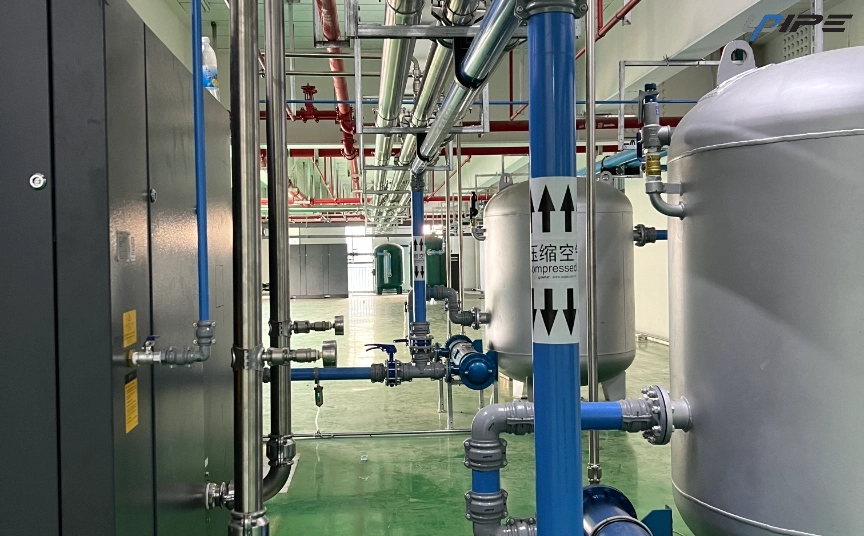
The Upipe High-Reliability Quick-Install Pipeline System sets the top standard for modern fluid transport. Upipe builds exact aluminum piping to protect seals, ensure clean airflow, maintain a low leakage risk, and boost energy savings. Upgrading to Upipe promises long-term reliability and keeps your factory operating smoothly and well.
Compressed air powers your factory machinery, but material choices directly impact system efficiency. Bad materials cause leaks, waste energy, and increase compressor runtime. You must select piping options that maintain clean airflow and deliver high joint integrity.
Modular Aluminum and Stainless Steel
Modern industrial plants rely heavily on advanced metal piping to secure peak performance. Precision-engineered aluminum and stainless steel offer smooth-bore interiors. Smooth pipe walls create laminar flow, minimize friction, and stop internal pressure drops.
According to the U.S. Department of Energy and Compressed Air Best Practices, typical compressed air losses due to leaks in industrial piping systems range from 20% to 30% of total production.
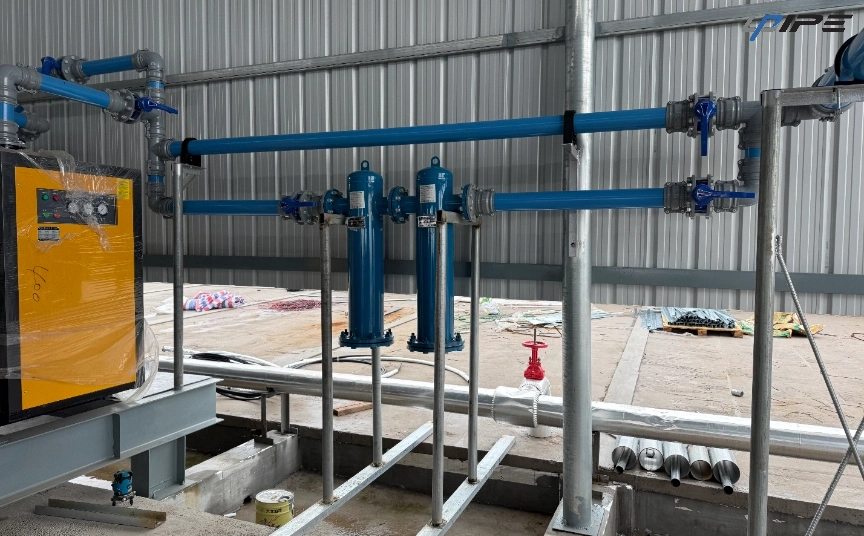
You can solve these costly losses by choosing the Upipe High-Reliability Quick-Install Pipeline System. Upipe manufactures the Upipe Aluminum Pipe System and the Liq-pipe Stainless Steel Pipe System to eliminate internal scale flaking. These systems maintain tight seal integrity over decades of continuous operation.
Claimed zero leakage due to double seal (metal-to-metal + O-ring)
Susceptible to leaks; O-ring placement on undercut diameter is a known weak point
Cycle life (fatigue)
No failure up to 26 million cycles
Cracks and separations occurring at average 400,000 cycles
Leak points
Swivel feature eliminates need for adapter, reducing potential leak points
Additional adapters often required, increasing leak points
Pressure capacity
Increased average 100% compared to traditional systems
Limited by thread size; increasing thread size raises load force and pressure area
The Hidden Hazards of Iron and PVC
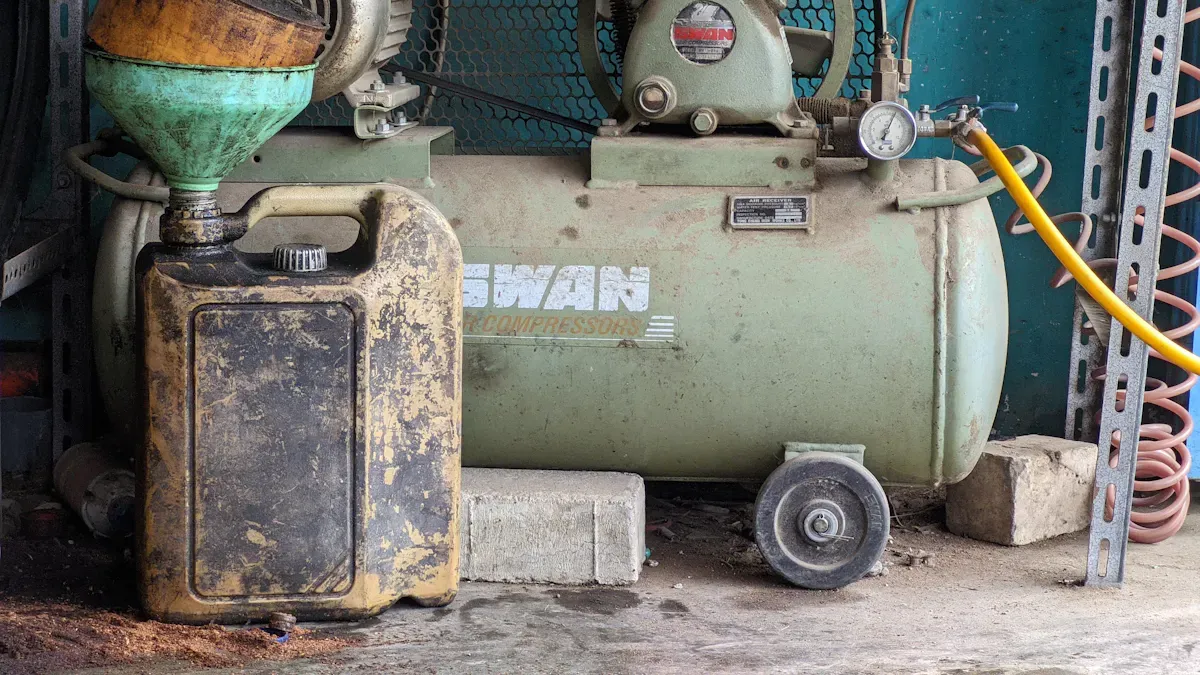
Legacy materials create serious operational risks in modern compressed air setups. Black iron pipes corrode quickly when moisture touches untreated internal surfaces. Rust flakes break away and clog your sensitive pneumatic tools. Threaded iron joints expand and contract during daily plant temperature shifts. These constant thermal changes loosen pipe threads and create constant air leaks.
Plastic piping presents even greater operational dangers inside your plant. Standard PVC degrades rapidly when synthetic compressor oil mist enters the airflow. Chemical degradation weakens the plastic walls and causes catastrophic pipe bursts under standard working pressures. Flying plastic shrapnel endangers your workers and stops factory production lines.
Upgrading your plant network to a modular Upipe network establishes a low leakage risk environment. Aluminum alloy pipes withstand common compressor lubricants without degrading. Stainless steel options resist extreme chemical exposure and high operational temperatures. You protect your workforce, safeguard tool performance, and reduce energy consumption simultaneously. Selecting high-performance metal piping guarantees long-term durability, clean air delivery, and dependable plant productivity.
Connection choices directly determine how well your network holds full pressure. Choosing top-quality fittings stops air losses and prevents costly energy waste across your whole facility.
Why Threaded Joints Develop Leaks
Threaded lines create instant weakness across your air system. These designs leak much more easily than welded joints, especially without proper sealing methods. Loose connections happen often as aging iron pipes rust around threaded spots. Problems also pop up when workers use bad sealants or when thread tape dries out. Cutting threads weakens metal walls by making the pipe material thinner. Hand-threading pipes relies on worker skill, which causes frequent mistakes.
Steady shakes destroy pipe joints over time. That constant motion slowly shakes fittings loose, opening tiny air leaks that grow bigger. Heating and cooling cycles stress every single part of your line. Metal expands and shrinks, putting internal seals under constant strain. Standard threaded joints loosen quickly from temperature changes, which often creates expensive air leaks.
22% Threaded Pipe Joints Long-term shakes loosen joints without anyone noticing. Air losses increase as pipes age unless you test them.
Advantages of Push-Fit and Flanged Fittings
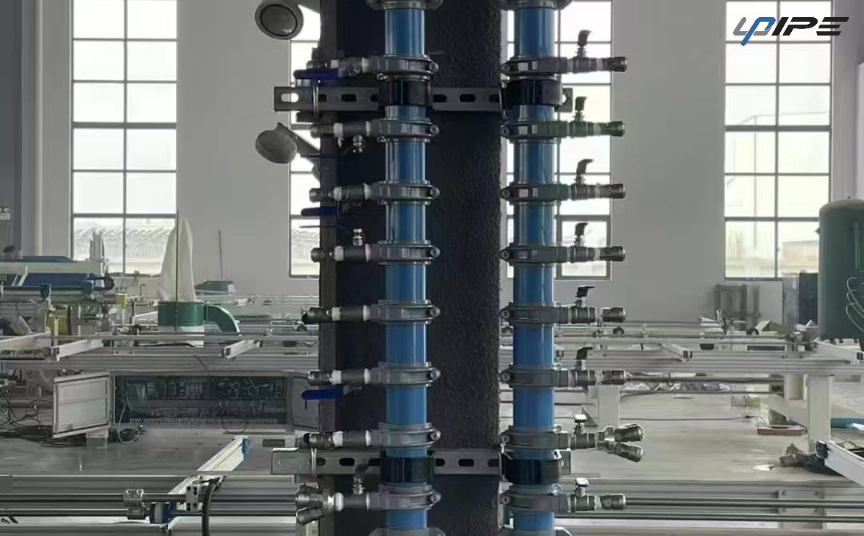
You can avoid these weak points by picking modern pipe connectors. Advanced quick-fit parts offer a low leakage risk for your plant while speeding up job setup. Push-fit parts require no extra tools, which cuts down installation time. Quick assembly lowers worker mistakes, reducing the chance of bad air leaks. You follow three simple steps: cut the tube, push the joint, and verify full entry. Modern connectors stay tight even during heavy factory work.
Push-fit connections bring major advantages to your facility network:
Leak prevention: Connectors keep firm seals through heavy use, holding pressure to stop energy waste and cut low leakage risk.
Installation ease: Fast setups cut labor expenses and downtime, leaving less room for human mistakes that start leaks.
Long-term reliability: Strong seals and easier upkeep mean fewer tool shutdowns and fewer air leaks over time.
Daily operating success relies on picking good fittings and doing routine care:
System operating conditions: Running joints inside safe heat and pressure limits stops seal damage that leads to leaks.
Material selection: Matching metals to heat needs and plastic to rust-free lines ensures long life and tight seals.
Dynamic stresses: Machine shakes can loosen connectors and ruin seals early, creating steady air loss.
Signs of failure: Hissing air near joints shows damaged seals or bad setup, raising your total low leakage risk.
Flanged connections provide high structural strength for big main air lines. Flanged joints bolt two flat ends tightly against an inner seal ring. You get strong joint strength without cutting into pipe walls. Workers line up flanges easily and tighten bolts to build an airtight seal. Combining quick push-fit joints with strong flanged parts protects your air flow, stops pressure drops, and maintains a low leakage risk for years.
Designing Layouts to Prevent Air Leaks
Smart pipe layout design directly protects your factory against unnecessary air loss. You control pressure stability and eliminate mechanical stress across your entire compressed air network by selecting the right piping architecture.
Closed-Loop vs. Dead-End Distribution
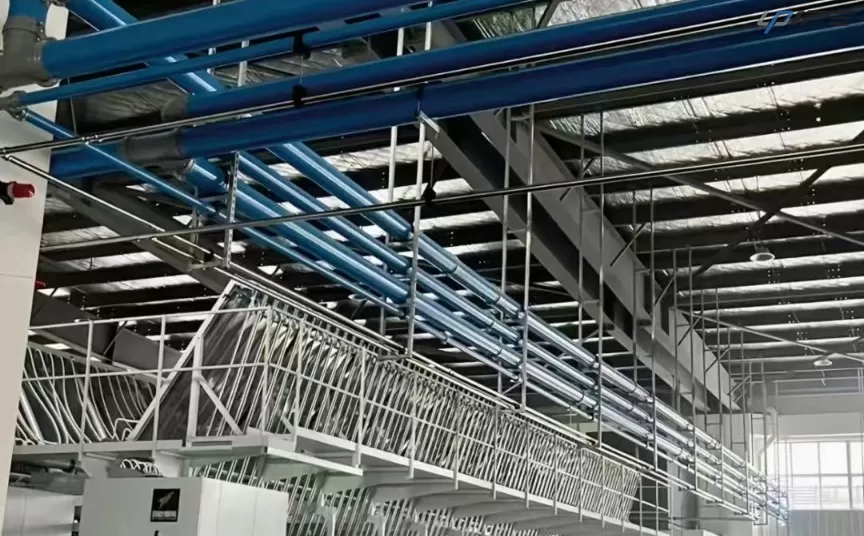
A closed-loop system distributes compressed air from multiple directions simultaneously. This ring design balances air volume and reduces pressure drops across heavy usage cycles. You maintain continuous air flow while minimizing mechanical strain on pipe joints.
Maintain proper system pressure to limit oxygen entry
Continuously monitor pressure and temperature for early leak detection
Dead-end distribution systems push air down a single linear path. This straight line creates heavy friction and pressure loss at distant work stations. Higher pressure demands force your compressor to run harder, which stresses weak connections.
Your overall layout design must address connector density to reduce total risk:
Pipe bends control internal airflow dynamics across your facility. Sharp fittings create severe air turbulence and increase fluid friction inside the line. You should install wide sweeping bends to maintain smooth laminar flow and lower structural vibration.
You must support every vertical drop with rigid mounting brackets. Secure brackets absorb operational shakes and protect fitting seals against ongoing metal fatigue. Modern quick drops should always connect directly to the top of your main line.
Top-mounted connections prevent moisture accumulation and solid debris from entering your drop lines. Clean air delivery protects downstream tools, prevents seal corrosion, and maintains an airtight system across every workstation.
Sizing Piping to Reduce Pressure Drop
Matching Pipe Diameter to CFM Demand
You must match pipe diameter directly to your facility's total CFM demand. Undersized pipes force compressed air to travel at extreme speeds. High velocity creates severe air turbulence, elevates internal friction, and drops system pressure before air reaches your equipment. Selecting wide-bore piping keeps air velocity low and ensures smooth airflow to every tool.
Incorrect pipe sizing also creates severe long-term leakage hazards across your plant:
Corrosion from moisture and oxygen in compressed air roughens pipe interiors, constricts diameter, and eventually leads to leaks.
Every fitting in your network restricts moving air and creates pressure loss. Valves, tees, and elbows force air streams to change direction rapidly. You calculate this extra resistance by converting each fitting into an equivalent length of straight pipe. Adding these values to your total pipe length gives you the true friction distance of your layout.
You must calculate these resistance values accurately to protect plant efficiency and maintain a low leakage risk. Standard distribution designs follow strict pressure limits to maintain peak performance:
In general, fixed compressed air distribution systems should be sized such that the pressure drop in the pipes does not exceed 0.1 bar (10,000 Pascals or 1.45 psi) between the compressor and most remote demand point. The pressure drop arising from flexible hoses, couplings and fittings should also be included in the pressure drop calculation.
You protect your compressors by accounting for every hose, valve, and connector during the initial design phase. Correct calculations prevent unnecessary pressure adjustments, minimize mechanical stress on seals, and keep operational costs low.
Piping Setup and Testing Tips
Pipe Support Spacing and Moisture Control
Proper pipe supports stop sagging and shaking throughout your building. Unsupported pipes bend down, which stresses seals and causes endless air leaks. Space sturdy brackets evenly along the lines to keep the pipes running straight. Strong mounting hardware absorbs shakes caused by heavy machines working nearby. Good bracket spacing protects joint seals and stops air loss over long pipe runs.
Tests show that press-fit connections leak much less than old threaded pipes. Plan your layout carefully, follow instructions, and never use unsafe PVC pipes. You must also clear out water by putting automatic drain valves at all low spots. Removing moisture stops inside rust, prevents dirt buildup, and keeps a low leakage risk at every spot.
System Pressure Testing and Leak Audits
Test air pressure on new pipe runs over 50 feet before running your factory. Standard rules say to raise test pressure slowly to half the final test goal. Next, pump up the system in small steps until reaching 1.1 to 1.33 times the normal pressure. Hold this pressure steady so the pipes adapt to the force. Lastly, drop pressure back to normal levels to safely check joints with soap bubbles.
Regular leak checks with sound sensors find tiny cracks before they waste costly energy. These special sensors listen for high-frequency noises coming from small fitting gaps during regular work hours. Engineers must tag and fix found leaks right away to keep machines running well and lower bills. Set up regular checkup schedules that fit the needs of your plant.
Audit Frequency
Operating Environment Condition
Quarterly
High-demand or high-leak environments
Semiannual
Stable systems with good maintenance controls
Annual
Lower-risk environments
Choosing the best compressed air piping system comes down to three main steps. You need to select smooth aluminum or stainless steel materials, pick double-O-ring mechanical fittings, and figure out the right pipe size for your air needs.
Use this easy checklist to keep your facility safe and working well:
Create a closed-loop system to help keep the air pressure steady everywhere.
Put up strong support brackets with equal spacing to prevent pipe sagging and joint stress.
Test the pressure on all new pipe lines before you start regular daily work.
Plan regular sound checks for air leaks and empty trapped water all the time.
Why should you choose modular aluminum pipes over black iron?
Modular aluminum pipes have smooth inner walls that stop rust from flaking inside. This smooth design cuts down air drag, keeps air clean, and prevents air pressure drops. Black iron rusts fast, creates loose scale, and leaks near threaded joints when factory temperatures change.
How do double-O-ring mechanical fittings prevent compressed air leaks?
Double-O-ring fittings create a double seal using metal contact and tough rubber rings. This smart design handles continuous machine shakes and adjusts to heat changes. You get a tight seal that stops air leaks without cutting thin threads into your pipe walls.
Can synthetic compressor oils damage plastic air piping?
Synthetic compressor oil mist breaks down standard PVC plastic pipes over time. This chemical wear weakens the plastic walls and raises the danger of sudden pipe bursts. Metal pipes like aluminum or stainless steel easily resist synthetic oils while keeping workers safe and holding steady pressure.
How often should plant managers conduct leak audits?
You should do sound checks for leaks every three months in busy factories. Stable plant setups need checks twice a year, while lower-risk sites need yearly checks. Regular checks help you catch tiny leaks early, run your compressor less, and save big money on power bills.
This website uses cookies to provide you with a safer and more personal experience. By accepting, you agree to the Cookie Policy and the use of cookies for advertising and analytics purposes.