Home > News > Blog > Lightweight compressed air pipe solutions for factory renovation
# Blog
Lightweight compressed air pipe solutions for factory renovation
2026-06-17
Share:
Upgrade your factory with lightweight compressed air pipe solutions for faster installation, reduced leaks, and long-lasting, energy-efficient performance.
You want the best lightweight compressed air pipe for your factory renovation. Picking the right pipe is important. It changes how your machines work and how much energy you use. If you choose the wrong pipe, you might have leaks. You could also lose pressure or get moisture inside. These problems can slow down your work. They can also make repairs cost more. Many factories have sharp angles that drop air pressure. Some pipes rust and block tools. Now, there are new solutions like the Upipe Aluminum Pipe System. These help fix these problems and keep your factory working well.
Key Takeaways
Pick aluminum pipes for your factory renovation. They are light and strong. They do not rust. This makes them great for clean air.
Aluminum pipes are faster to install than steel pipes. You can save 40-60% of the time. This means less downtime and lower labor costs.
Aluminum systems like Upipe stop leaks better than plastic pipes. This keeps the air clean and saves energy. You will also spend less money.
Plan your pipe layout with care. Use modular designs for easy upgrades and repairs. This helps your system grow with your factory.
Control moisture in your compressed air system. Use good condensate management to stop rust. This protects your tools and keeps your factory working well.
When you want to update your factory, you should know about lightweight compressed air pipe choices. In the past, factories used iron or steel pipes. These pipes are heavy and hard to put in. Now, there are better options. You can choose aluminum, ABS, PE, or HDPE pipes. Each one has good and bad points.
Susceptible to corrosion, difficult to cut and join, prone to leaks.
Galvanized Steel
Reduces corrosion compared to black iron
Coating degrades over time, can cause blockages.
Stainless Steel
Highly durable, corrosion-resistant
Expensive, difficult to work with, heavy, prone to leaks.
Copper
Corrosion-free, lightweight, easy to install
High cost, requires skilled installation.
Aluminum
Lightweight, corrosion-free, high leak resistance, easy to install
N/A
Plastic (ABS, PE, HDPE)
Lightweight, easy to work with, non-corrosive
Not as strong as metal, cement connectors may fail.
You can see that aluminum is special. It is light and strong. It does not rust. You can put it in fast. Aluminum pipes do not leak as much as other pipes. Many experts say aluminum is the best for factory updates. Plastic pipes like ABS, PE, and HDPE are also light and simple to use. They work well in some places, but they are not as strong as aluminum.
Aluminum pipes also help you finish faster. You can install them 50-70% quicker than old pipes. This means your factory stops for less time. You also pay less for workers.
You want a system that does more than just the basics. The best systems use new materials and smart designs. Aluminum pipe systems get great reviews from experts. They give you clean air, strong joints, and easy upgrades.
Some top systems are:
Aluminum Pipe: Great for clean air and steady work.
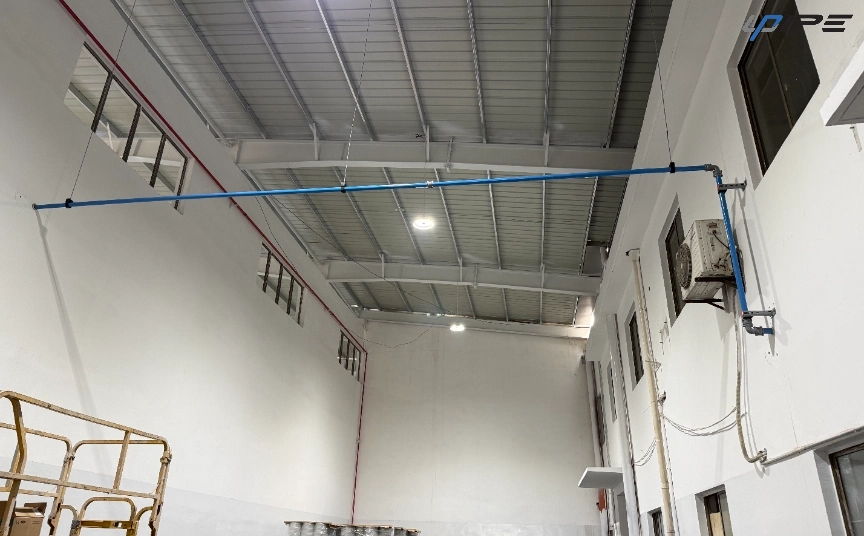
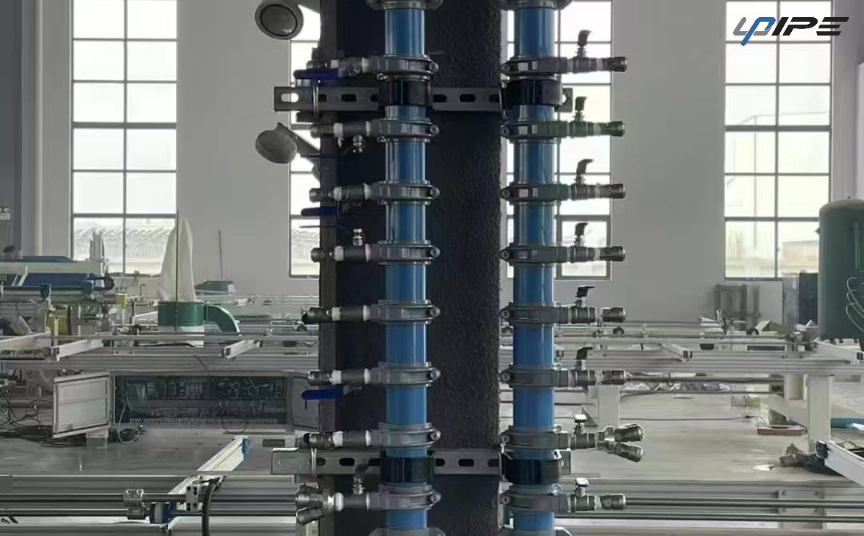
Upipe Aluminum Pipe System is a top choice. It uses pure aluminum, not recycled. The walls are thick for extra strength and long life. Upipe pipes have smooth insides, so your air stays clean. Raised rings on big pipes help you put them in faster. The connectors are made in one piece for strong, leak-proof joints. Special rubber from Thailand keeps air in, even if pipes shake or you install them fast.
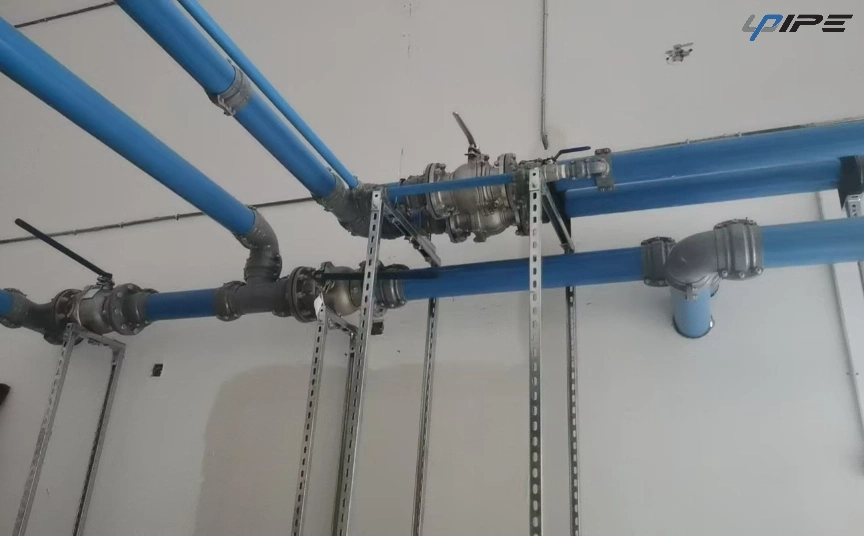
The Upipe system has smart parts like flow-directing tees and elbows. These keep pressure loss low and make the system stronger. Quick drops have extra ribs and locks to stop breaks. The gooseneck shape keeps water from going back into the pipes. Ball valves are made from solid aluminum alloy for safe use. Anti-vibration clamps make the system even more reliable.
You get great reliability, fast setup, and save money with Upipe. The system works for big and small projects. It is also good for the environment. You can reuse or recycle the pipes when you update your factory.
Note: Picking a smart aluminum system like Upipe helps you stop leaks, save time, and keep your factory working well.
Advantages for Factory Renovation
Installation Efficiency
You want your factory project to finish fast and easy. Lightweight compressed air pipe systems help you do this. These pipes are simple to carry and move. Workers do not need big tools or special training. This helps you save both time and money.
Many factories say lightweight pipes take 40-60% less time to install than steel pipes. For example, Upipe aluminum pipes can make installation up to 60% faster than old galvanized steel pipes. You also pay about half as much for labor. These savings help your machines start working again sooner.
Modular designs make things even quicker. You can use push-to-connect fittings and clamp-and-fit connectors. These let you change or add to your system without stopping work. You can add new lines or fix things while your factory keeps running.
Tip: Faster installation means your factory stops for less time and you spend less money on your renovation.
Durability and Safety
You need a system that lasts long and keeps workers safe. Lightweight compressed air pipe systems protect well against rust and leaks. Aluminum pipes do not rust like steel pipes. They keep your air clean and your tools working right.
Many factories now pick aluminum pipes because they last longer. These pipes are used in 38% of new compressed air systems around the world. They also help the environment by using less energy and making less carbon.
You also do not have to worry much about repairs. The modular design lets you fix or change things easily. You do not need to worry about long stops or expensive fixes.
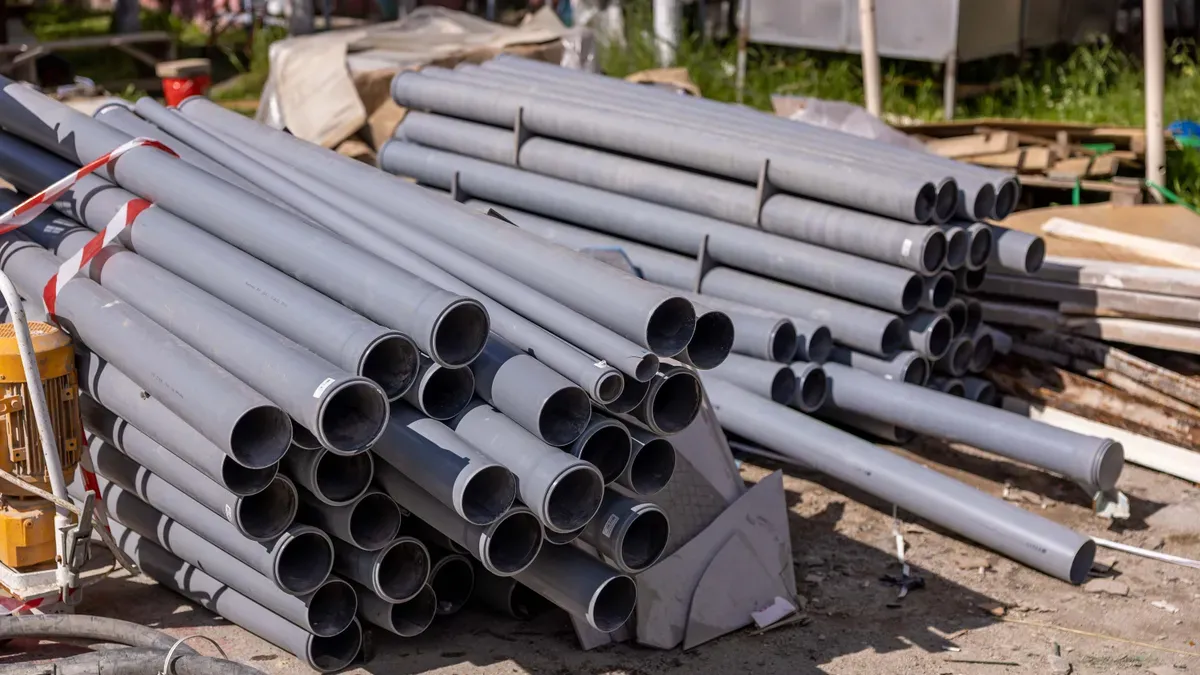
You want to know how aluminum and plastic pipes are different. Both types are light and easy to move. You can put them in fast, so your project finishes sooner. Plastic pipes like ABS, PE, and HDPE do not rust. They are easy to cut and connect. Many people pick them because they cost less and weigh less than metal pipes.
But aluminum pipes are stronger and last longer. Aluminum can handle more pressure than plastic. Most plastic pipes work up to 185 PSI in normal heat. Aluminum systems like Upipe can go up to 232 PSI. This means you are safer and worry less about pipes breaking.
Leaks are a big problem in factories. About 30% of air can leak out, mostly at joints. Aluminum systems with special connectors, like Upipe, stop leaks better than plastic pipes. You save energy and money because less air gets out.
Aluminum pipes also keep your air clean. The inside is smooth, so dirt does not build up. You get steady air quality, and your machines work better. Plastic pipes do not rust, but they are not as strong as aluminum. Over time, this can change the air quality in your system.
Cost and Performance
You want a pipe that fits your budget and works well for a long time. Plastic pipes cost less at first. You spend less money on parts and putting them in. But you might have to replace them sooner if they crack or cannot take high pressure.
Aluminum pipes cost more at the start, but they last longer. You do not need to fix or change them as much. Advanced aluminum systems like Upipe have thick walls and strong connectors. They stop leaks and handle pressure changes. You have fewer repairs and less time when machines stop.
Here is a quick table to help you compare:
Feature
Aluminum Pipe
Plastic Pipe (ABS, PE, HDPE)
Pressure Resistance
Up to 232 PSI
Up to 185 PSI
Leak Prevention
Excellent
Good
Air Quality
Very High
High
Installation Speed
Fast
Fast
Durability
Very High
Moderate
Initial Cost
Higher
Lower
Maintenance
Low
Moderate
Tip: If you want a lightweight compressed air pipe that is strong, keeps air clean, and has fewer leaks, aluminum systems like Upipe are a smart pick for your factory.
Key Factors in Selection
Layout and Integration
When you update your factory, think about how new pipes fit in. First, look at your factory’s layout. You want a system that can grow with your business. If your system is scalable, you will not need big changes later. Use loops in your design to help air move evenly. Loops also stop pressure from dropping in some spots.
Scalability: Make sure your layout can handle future growth.
Design Strategies: Use looped systems for steady air pressure.
Air Quality: Pick materials and layouts that keep air clean.
Pipe Sizing: Choose the right size for your needs.
Maintenance: Plan for easy checks and repairs.
A good piping network helps your compressor run less. This saves energy and money. Many factories use aluminum pipes to lower power use and carbon emissions.
You want pipes that work with your old systems too. Modular aluminum systems make upgrades and repairs easy. You can add new lines or change the layout without much trouble. These systems fit well with older setups and let you adapt as your needs change.
Moisture and Air Quality
Moisture in your compressed air system can cause big problems. It can make pipes rust, hurt tools, and lower air quality. You need to control moisture to keep your system working well.
Use sensors to check air quality, especially in long pipe runs.
Drip Legs
Add drip legs to guide water to drains and keep pipes dry.
Check drains often and keep them clean.
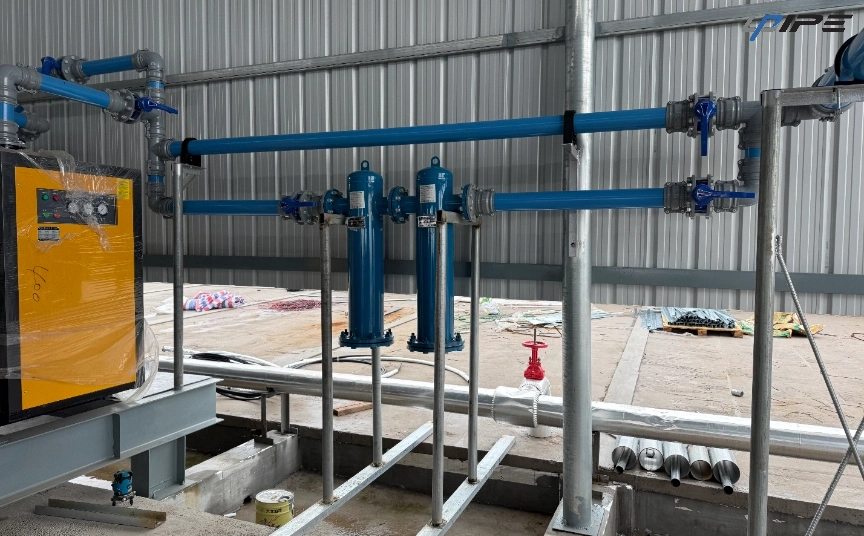
Use moisture separators after coolers and before pipes.
Slope pipes a little so water flows to drains.
The pipe material you pick also affects air quality. Aluminum and copper do not rust, so they keep your air clean. Steel pipes can rust and send dirt into your tools.
When you choose a system, think about your factory’s needs. Look at how much air you use, how clean it must be, and the temperature in your building. Plan for future changes and make sure your pipes are the right size. If your setup is complex or you have special needs, talk to a specialist. They can help you avoid mistakes with material, size, layout, and safety.
When you pick a lightweight compressed air pipe for your factory, think about these important things:
How strong the material is and how long it lasts
How easy and fast it is to put in
If it can stop rust
How much it costs and how often you need to fix it
Choosing the best material and system helps your factory stay good for a long time. You will have clean air, less leaking, and spend less money.
To get the best results, talk to experts who can make a system that fits what you need and helps you not make mistakes. Planning carefully makes your factory safer and helps it work better.
FAQ
What makes aluminum pipes better for factory renovations?
Aluminum pipes are strong and light. They do not rust. You can put them in fast. They last a long time. They help stop leaks. They keep your air clean.
Can you install aluminum compressed air pipes without special tools?
Yes. You only need simple hand tools. Most aluminum pipe systems use easy fittings. Push-to-connect fittings make setup quick and simple.
How do you keep your compressed air system free from leaks?
Use good connectors and seals. Check joints when you install pipes. Look at your system often. Fix leaks right away. This saves energy and money.
Are lightweight aluminum pipes safe for high-pressure air?
Yes. Most aluminum pipes work up to 232 PSI. Always check the pressure rating before buying. Aluminum pipes give strong and safe performance for factories.
This website uses cookies to provide you with a safer and more personal experience. By accepting, you agree to the Cookie Policy and the use of cookies for advertising and analytics purposes.