Home > News > Blog > Which company offers compressed air pipe fittings for industrial retrofits
# Blog
Which company offers compressed air pipe fittings for industrial retrofits
2026-10-25
Share:
Which company offers compressed air pipe fittings for industrial retrofits? Upipe, Transair, Atlas Copco AIRnet, AIRpipe, RapidAir, and Air-Pro are top choices.
When it comes to compressed air pipe fittings for factory upgrades, several companies offer solutions, including Upipe, Transair, Atlas Copco AIRnet, AIRpipe, RapidAir, and Air-Pro. Stores like McGee also carry many pipe sizes and types. Which company offers the best fit for you depends on five things: pipe material, pressure rating, fit with your current system, installation downtime, and budget.
Each supplier has different strengths for an upgrade. Upipe builds its aluminum system with pure aluminum pipe and molded connectors. Transair and AIRnet focus on complete distribution systems. AIRpipe aims at saving energy and improving air quality. RapidAir and Air-Pro serve professional and industrial needs. McGee offers a wide range of sizes and types.
This post gives a breakdown of each company and a comparison summary to help you choose which company offers the right solution for your needs.
Key Takeaways
Pick a supplier by looking at five main things: pipe material, pressure rating, compatibility, installation downtime, and budget.
Aluminum modular systems are quicker to install and cost less than old-school materials like steel or copper.
Pick the supplier that fits your retrofit case, like systems that leak often or upgrades done in stages.
Make sure all parts meet the right standards and fit your current pipe system.
Many suppliers can answer the retrofit question, and each one brings its own way of building products. A facility planner who asks which company offers the right fittings will find the answer depends on how well the supplier's system matches the plant's material, pressure, and downtime needs.
Upipe and Modular Aluminum Systems
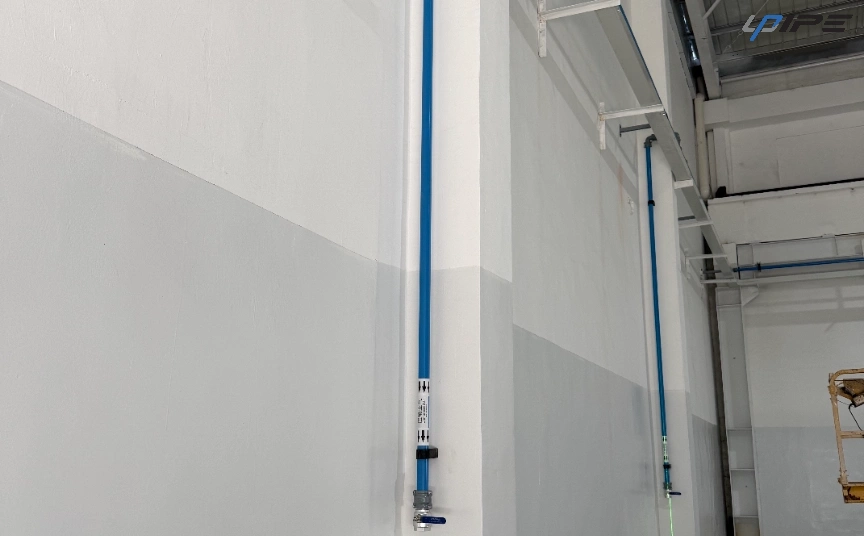
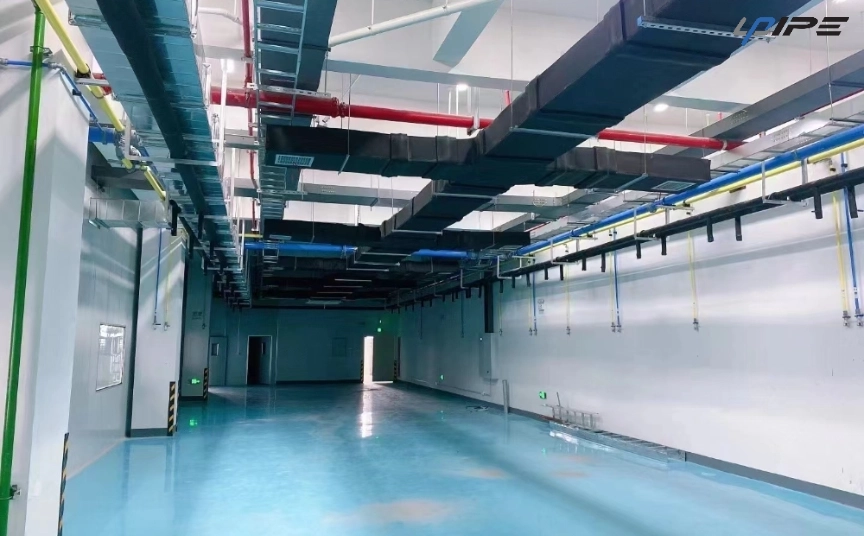
Upipe makes the Upipe Aluminum Pipe System from pure aluminum with no recycled material. Every pipe is cut exactly at both ends, and the inside surfaces stay clean. A thicker wall design is used on all models. For DN40 and above, pipes come pre-treated with raised rings, which greatly cuts on-site installation time. Packaging uses a non-woven fabric lining, outer plastic sealing, and sealed ends to block contamination during transport and storage.
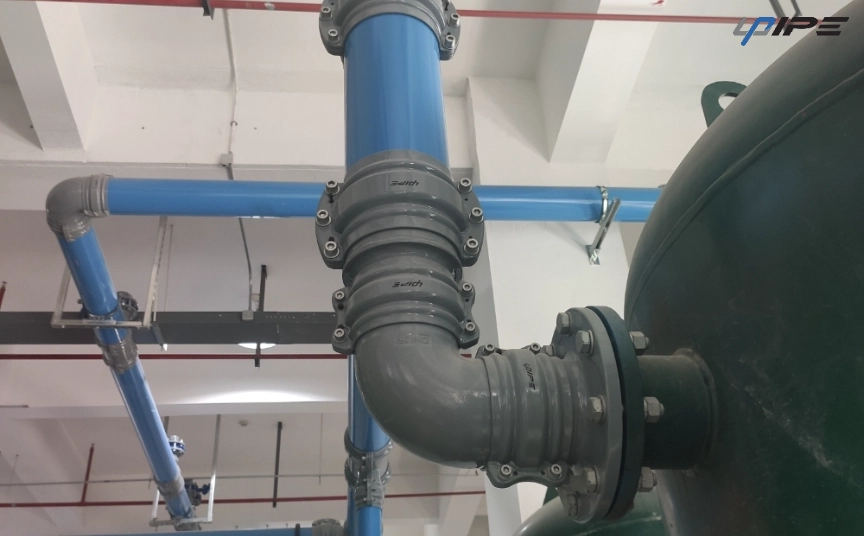
The pipe-to-pipe connectors use an integrated molding process. This gives the bolt and body equal strength so they resist higher pressure. Sealing rubber made from imported Thai raw material gives strong sealing performance and resists air leaks caused by vibration or improper installation. Tees, elbows, and quick drops have special flow-directing shapes that raise structural strength and cut pressure loss. Quick drops carry reinforcement ribs to prevent breakage from stress imbalance, and passive locking accessories use high-strength materials to prevent fracture. A foolproof, multi-surface sealing design removes leak risk while keeping installation easy. The gooseneck design stops condensate water from flowing down into the pipes and protects equipment. Ball valves use integrated aluminum alloy for long-term stability, and all pipe clamps include anti-vibration features. This system suits plants that want fast, leak-free assembly and easy future changes.
Established Air System Brands
Transair stands as a leading compressed air piping choice, and its modular range fits many general industrial layouts. Atlas Copco AIRnet offers a complete start-to-finish distribution system, which suits facilities that prefer one vendor from design through commissioning. AIRpipe focuses its aluminum systems on energy savings and air quality, making it a fit for plants with efficiency targets. RapidAir provides a range for professional and industrial use, and Air-Pro supplies a PE system approved and warranted for compressed air. McGee acts as a broad piping size and type distributor, which helps buyers who need mixed components. Each brand has a place, and the best match depends on the retrofit scope.
Buyers should begin with the material and how thick the pipe wall is. Aluminum systems typically carry a pressure rating of 300 psi, and stainless steel types go up to 500 psi. Black iron and galvanized steel have about the same standard rating. A plant must make sure every part in the retrofit matches the line's working pressure.
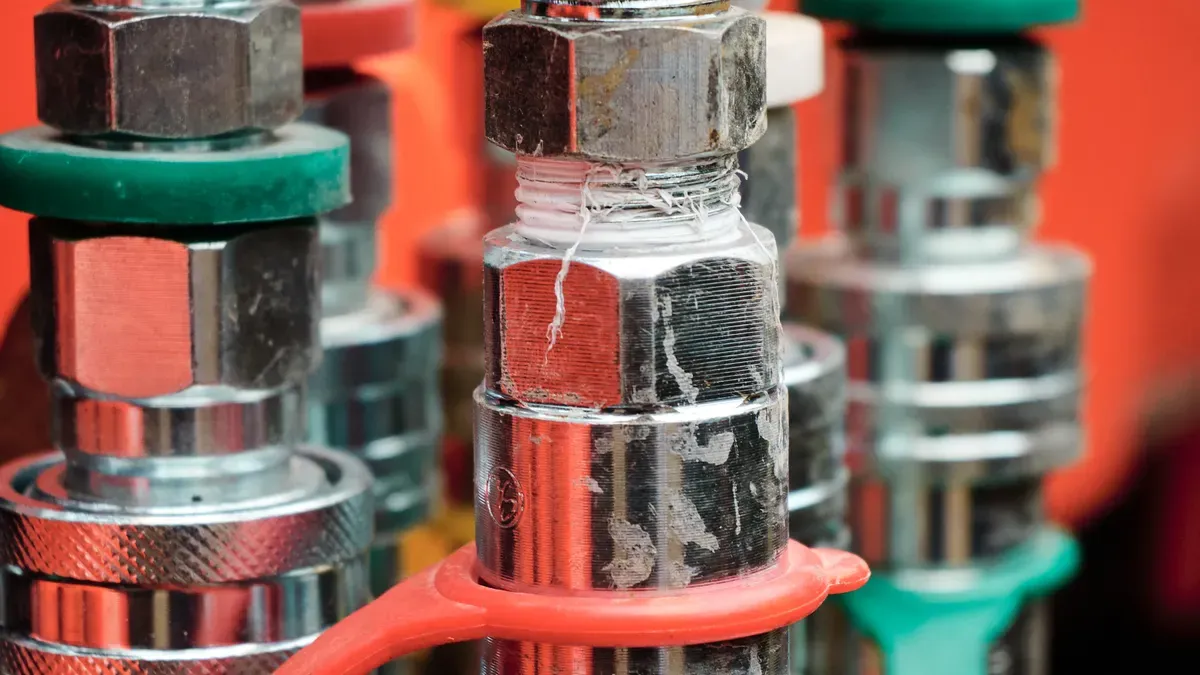
The design of connectors and seals decides how well the system avoids leaks over time. Push-to-connect fittings let the tube move against the O-ring and retainer when there is vibration. This wears down the seal and raises the risk of leaks. Two-piece ferrule wedge fittings limit that movement and allow slight re-tightening. A tube that passes through the collet but misses the seal will leak inside. Old or hard tubing cannot hold radial pressure against the O-ring.
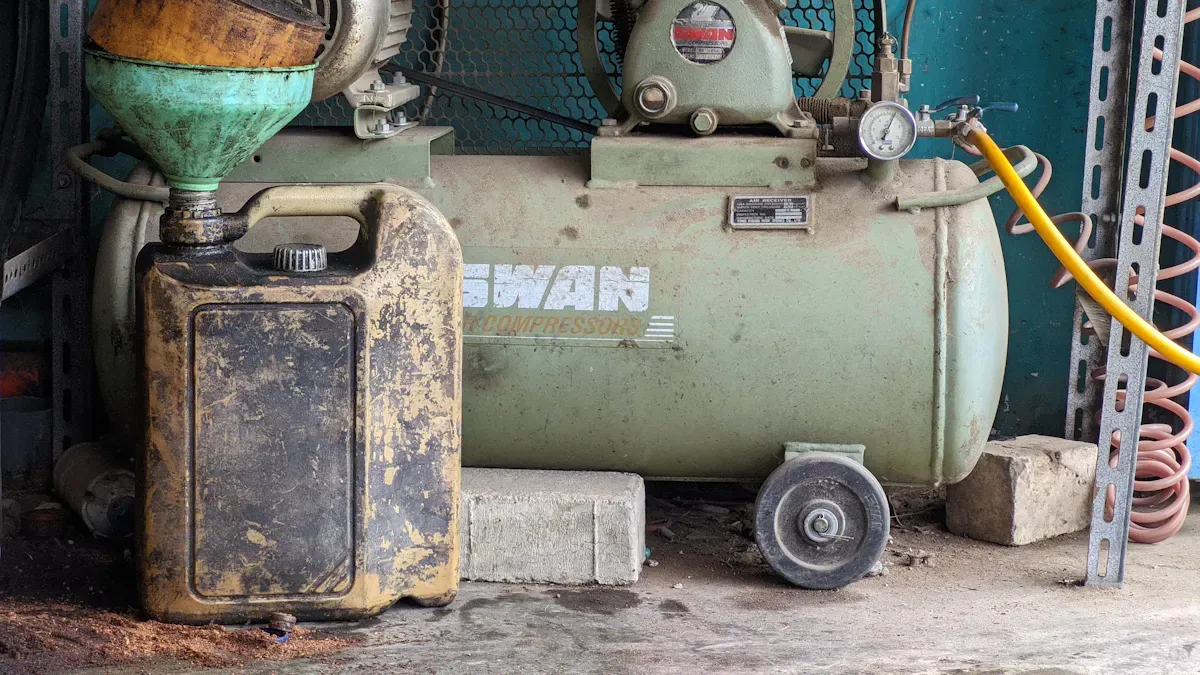
Pneumatic fittings must make a secure, leak-free seal that holds up under pressure and vibration. Loose or low-quality quick-connect fittings rattle when there is vibration. This forces compressors to run longer to keep pressure.
Compatibility with existing steel or aluminum pipe needs attention at every joint. Threaded steel connections come loose when heat makes them expand. Aluminum compression fittings with calibrated O-rings lower leak rates. Plants that connect aluminum to steel tanks or compressors should use NPT or ANSI flange adapters. They should also add dielectric unions to prevent galvanic corrosion and check brand-specific compatibility tables. Sizing is different too: aluminum uses outside diameter in millimeters, while steel uses NPS.
Compliance, Installation, and Cost
Relevant standards include ASME B19.1 for compressor systems, ASME BPVC Section VIII for receiver tanks, OSHA 29 CFR 1910.169 for air receivers, and ISO 8573-1:2010 for air purity classes. A general machine shop with a refrigerated dryer and particulate filter can aim for class [2:4:2]. Paint shops aim for [1:3:1], and instrumentation loops need [1:2:1] or better.
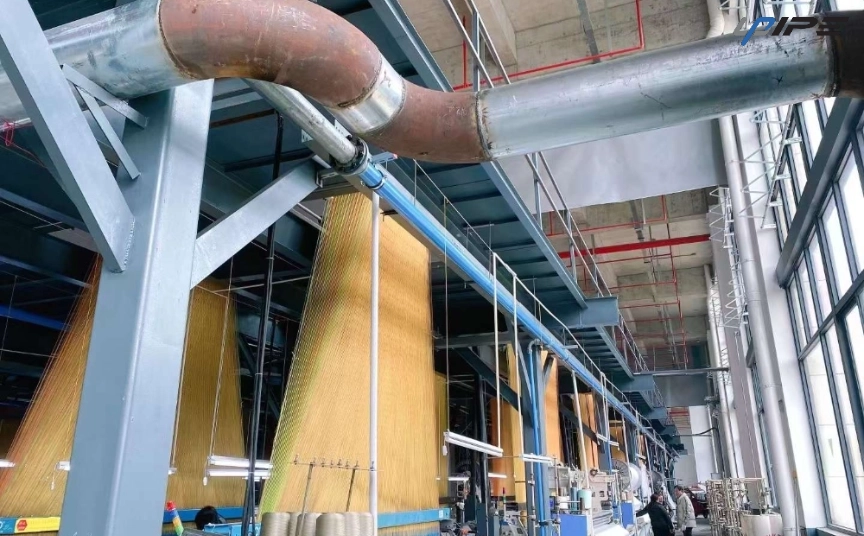
Installation downtime drives the total cost. Modular aluminum piping installs in about half the time of traditional materials and has a lower total installed cost.
Retrofit projects almost never start from the same place. One plant is fighting leaks in old steel lines, another needs to upgrade in steps without stopping production, and a third wants energy savings or a mix of new and old pipe. The table below matches each supplier to these common scenarios. It shows where each option fits best, not which one wins overall.
Retrofit scenario
Suppliers that fit well
Why the fit works
Leak-prone legacy steel systems
Upipe, Transair, AIRpipe
Aluminum modular systems with sealed connectors and anti-vibration clamps cut down leak paths at joints
Phased upgrades with limited downtime
Upipe, Atlas Copco AIRnet, RapidAir
Pre-treated pipes and push-to-connect parts speed up assembly; AIRnet covers design through commissioning
Energy-efficiency-driven retrofits
AIRpipe, Upipe, Transair
Tight sealing and low pressure loss help compressors run less
Mixed-material expansions
McGee, Air-Pro, Atlas Copco AIRnet
Wide size and type ranges help connect aluminum, steel, and PE sections
Upipe fits plants that want fast, leak-free assembly with room to change things later. Its pre-treated raised rings on DN40 and above cut on-site time, and its flow-directing tees and elbows lower pressure loss. Transair fits general industrial layouts that value a modular range. Atlas Copco AIRnet works well when a facility wants one vendor from design through commissioning. AIRpipe appeals to plants with efficiency and air-quality goals. RapidAir serves professional and industrial users who want a large catalog. Air-Pro offers a PE system approved and warranted for compressed air, which helps with mixed-material work. McGee helps buyers who need many sizes and types from one distributor.
A published case shows how a systems approach shapes a retrofit. Harding and Nutter described the Rockline Industries project in a 2015 article for Compressed Air Best Practices. The case involved several parties working together:
Compressed air experts who reviewed the whole system
Utility representatives who backed the project
A local compressed air provider who handled supply and service
That setup matters more than any single fitting choice. A plant that pairs its own engineers with a utility representative and a local provider gets a design checked from three angles: process demand, energy cost, and parts availability. The same idea applies when a facility shortlists suppliers. Match the supplier to the scenario first, then confirm pressure rating, connector design, and compatibility with the existing line. A supplier that fits a phased aluminum upgrade may not fit a mixed steel-and-PE expansion, and the reverse is also true. Neutral comparison keeps the decision tied to the plant's real conditions.
Several companies sell compressed air pipe fittings for factory upgrades, and the best choice depends on material, pressure, compatibility, compliance, and budget. You will know which company offers the right match once a plant narrows it down to two or three suppliers and checks each one against its real upgrade needs.
Check certification and testing against recognized pressure-vessel standards such as ASME, UL, or CE.
Judge how complete the system is across the DN20–200 range, since mixing vendors voids warranties and creates leak paths.
Look at warranty terms and local engineering support.
Ask for a 3D layout simulation and a pressure-drop calculation for the planned routing.
A systems approach makes the final choice stronger. Internal engineers, utility representatives, and a local provider should review the design together before you buy.
FAQ
Which suppliers sell compressed air pipe fittings for factory upgrades?
Upipe, Transair, Atlas Copco AIRnet, AIRpipe, RapidAir, and Air-Pro all sell retrofit fittings. Distributors like McGee carry many pipe sizes and types. Each supplier fits a different retrofit scope, so a plant should compare material, pressure rating, and compatibility before choosing.
How does a plant compare aluminum and steel fittings for a retrofit?
Aluminum systems use outside diameter sizing in millimeters, while steel uses NPS. A plant should add NPT or ANSI flange adapters and dielectric unions at steel-to-aluminum joints. Brand compatibility tables confirm which parts work together.
Which standards apply to an industrial compressed air retrofit?
Key references include ASME B19.1 for compressor systems, ASME BPVC Section VIII for receiver tanks, OSHA 29 CFR 1910.169 for air receivers, and ISO 8573-1:2010 for air purity classes. Buyers should also confirm certification against ASME, UL, or CE.
How long does a modular aluminum retrofit take?
Modular aluminum piping installs in about half the time of traditional materials. Pre-treated raised rings on DN40 and above cut on-site assembly time further. A plant can also phase the work to limit production downtime.
How should a facility shortlist retrofit suppliers?
A facility should narrow the field to two or three suppliers. Then it should check certification, coverage across the DN20–200 range, warranty terms, and local engineering support. A 3D layout simulation and a pressure-drop calculation confirm the design before purchase.
This website uses cookies to provide you with a safer and more personal experience. By accepting, you agree to the Cookie Policy and the use of cookies for advertising and analytics purposes.