Home > News > Blog > How to Choose a Compressed Air Pipe Supplier for Southeast Asian Factories
# Blog
How to Choose a Compressed Air Pipe Supplier for Southeast Asian Factories
2026-09-10
Share:
Choose a compressed air pipe supplier for Southeast Asian factories by evaluating quality, reliability, cost, local support, and compliance for humid climates.
Choosing a compressed air pipe supplier needs a clear plan. Focus on five things: product quality and compatibility, supplier reliability, cost-effectiveness, local support, and regional compliance. These things matter because of Southeast Asia’s special conditions: a humid, tropical climate that rusts metal, complex shipping logistics, and diverse regulations. You need a supplier that understands these realities. Aluminum piping systems have become very popular across the region. Their rust resistance handles high humidity well, and their modular design allows fast installation. This approach cuts downtime and total cost. The right supplier gives both durable aluminum products and practical expertise for your factory.
Key Takeaways
Pick a supplier that sells rust-resistant aluminum pipes for humid climates.
Look at the supplier's past work and make sure they have valid ISO certifications for your country.
Look at the full cost over time, not just the first price.
Make sure the supplier offers spare parts and technical help in your area.
Check that the air quality meets ISO 8573-1 and local rules.
The material you pick affects cost, performance, durability, and how well it resists rust. You have four main choices: aluminum, copper, steel, and plastic. Each one has different strengths and weaknesses.
Material
Corrosion Resistance
Installation Ease
Relative Cost
Best For
Aluminum
High
High (modular)
Moderate
Humid, tropical factories
Copper
High
Moderate
High
Small, specialized systems
Steel
Low (rusts)
Low (heavy, welded)
Moderate
High-pressure, dry environments
Plastic
Varies
High
Low
Low-pressure, non-critical lines
Aluminum pipes are now the top choice in Southeast Asian factories. This metal does not rust easily in humid air. It is light, so it is easier to install. These two benefits lower labor costs and reduce upkeep over time.
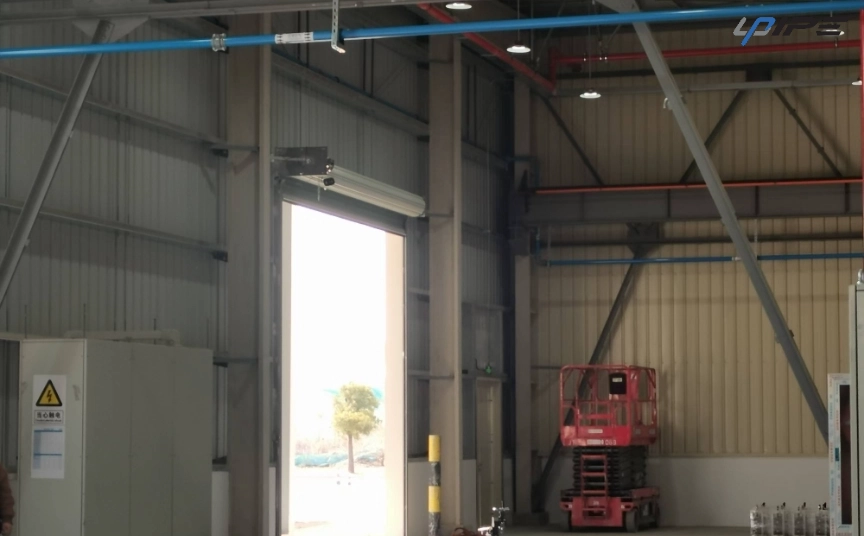
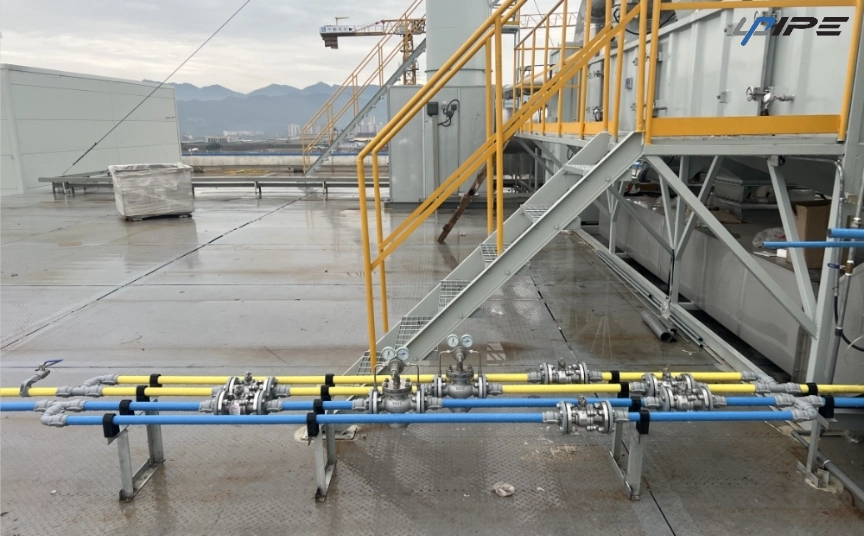
Look at Upipe and the Upipe Aluminum Pipe System as a strong example. This modular, rust-resistant system works for compressed air, vacuum, and inert gas. The system includes aluminum pipes, 90° elbows, connectors for joining pipes, tees, and flanges. For drop points, Upipe offers 90° quick drops, 180° quick drops, and quick drops with female threads. End caps close off lines. The valve range has double-side plug ball valves, single-side plug female ball valves, male-female ball valves, double-side female ball valves, handle butterfly valves, turbine butterfly valves, and high-temperature turbine butterfly valves. A flowmeter checks airflow. This full set of parts lets you build a complete network without buying from many suppliers.
Plastic pipes can store high energy. They may cause safety risks if not rated for compressed air. Always check the pressure rating before installing.
A good compressed air pipe supplier gives clear advice on material choices for your factory. Ask about working pressure, temperature limits, and chemical contact. The right supplier will pick the best material for your needs.
Tropical Climate Suitability
Southeast Asia's hot, humid weather causes special problems for compressed air pipes. High humidity makes steel pipes rust faster. Water builds up inside lines and harms equipment. Changes in temperature put stress on joints and seals.
Aluminum works well in these conditions. It creates a natural layer that blocks moisture. This layer stops the rust that steel pipes get. Aluminum pipes also expand and contract with heat better than stiff materials.
Upipe's aluminum alloy piping system is built for tropical problems. Its light weight resists rust and cuts installation time compared to older materials. The modular setup lets you change or expand quickly. You lose less time when production needs change.
Your supplier should tell you how their pipes work in very humid places. Ask how they drain water that forms inside. Ask about seal materials that stop mold and bacteria. These things are important for food and drink plants, where clean air is needed.
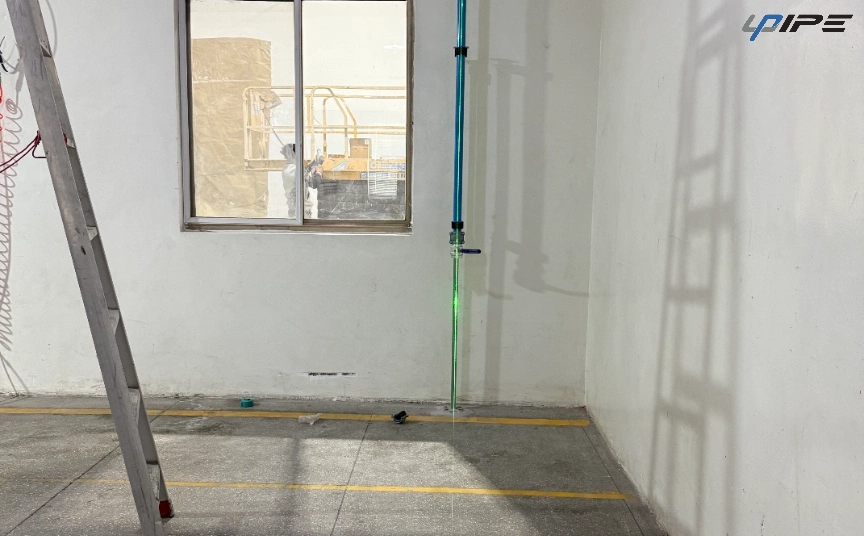
Easy installation is also key in tropical places. Workers get tired from heat in factories without air conditioning. Modular aluminum systems need less special tools and less welding. This lowers safety risks and finishes projects faster.
Check if the supplier knows your local conditions. A supplier who has worked in Southeast Asian factories will expect humidity issues. They will suggest good drainage, filters, and material choices. This know-how protects your money and keeps your system running well for years.
Gauge Supplier Reliability and Reputation
Track Record and Certifications
A supplier's history in Southeast Asia tells you a lot. Factories here deal with hard problems: heavy moisture, unstable power, and long shipping routes. A compressed air pipe supplier with years of regional experience knows these conditions well. Ask how many factories they have served in Vietnam, Thailand, Indonesia, or Malaysia. Request project examples that are like your operation. A supplier new to the region may have trouble with local logistics and climate demands.
Certifications prove a supplier meets industry standards. Look for ISO 9001 for quality management. Check for ISO 14001 if environmental performance matters to your company. These certificates must be valid in your country. A certificate issued for one market may not carry legal weight in another. Ask the supplier for proof of local recognition. Verify the certificate number with the issuing body. This step takes minutes and protects your investment.
Customer Reviews and References
Reviews from real customers show a supplier's true performance. Look for feedback from factories in manufacturing, automotive, and food and beverage industries. These sectors demand clean, reliable compressed air. A supplier who serves them well likely meets your needs too. Check online forums, trade groups, and industry directories for honest opinions.
References carry even more weight. Ask the supplier for contact details of past clients. Call those clients directly. Ask about delivery times, product quality, and response to problems. A supplier who hesitates to share references may have something to hide. Strong references from factories like yours give you confidence. They show the supplier delivers on promises and supports customers long after the sale.
Analyze Cost-Effectiveness
Pricing and Total Cost
Don’t just look at the price tag when you compare quotes. A cheap pipe now might cost you much more over ten years. Think about total cost of ownership (TCO). This number includes energy bills, upkeep, leaks, and downtime. The material you pick changes each of those costs.
Aluminum systems give the lowest 10‑year TCO among common options. Steel pipe has very high long‑term costs from wasted energy and frequent leak fixes. Plastic pipes also run high because of pressure loss and extra work to rebuild. Stainless steel starts costly and stays costly. Aluminum pays for itself through energy savings within 18 to 24 months.
Installation numbers make the case stronger. For a medium factory of 5,000 to 10,000 square feet, a fully installed aluminum system costs $10,000 to $20,000. Black iron costs $12,000 to $24,000. You save $2,000 to $4,000 right away. Annual energy and maintenance savings add another $2,000 to $5,000. Over five years, total savings reach $12,000 to $29,000.
Traditional steel piping also adds $1,500 to $3,000 in yearly upkeep costs. Aluminum systems almost remove that expense. Air leaks waste 20 to 30 percent of compressed air in older systems. Aluminum systems cut yearly energy use by 10 to 25 percent. A 15 percent energy saving on a 50hp compressor equals $3,000 to $5,000 each year.
Installation speed matters too. Steel pipe needs cutting, threading, and heavy welding. That work is slow and disruptive. Modular aluminum piping uses push‑to‑connect fittings. Contractors can install hundreds of feet in a single day. You avoid weekend retrofits and long shutdowns. Ask any compressed air pipe supplier for a full TCO breakdown before you sign.
Payment Terms and Flexibility
Clear pricing protects your budget. Ask for a complete quote that lists pipes, fittings, valves, flowmeters, and labor. Hidden fees for shipping or customs clearance can wreck your cost plan. A good supplier states every charge upfront.
Flexible payment terms help Southeast Asian factories manage cash flow. You may prefer milestone payments tied to delivery and installation. Some suppliers offer leasing or staged payments for large projects. Ask about currency options if you import materials. Local currency terms reduce exchange‑rate risk. A supplier who works with your finance team builds a smoother partnership.
Local Support from Your Compressed Air Pipe Supplier
Technical Support and Spare Parts
Having local storage is very important for keeping your factory running. If an important part breaks on Friday afternoon, you can't wait two weeks for a part from another country. A supplier with local stock keeps your production going. Ask where they keep their stock. Check if they store common parts like pipes, elbows, tees, connectors, and valves in your country or nearby. Upipe's modular system uses standard parts. This makes spare parts easy to keep and fast to replace. You avoid long waits and costly air shipping.
Good installation and design support sets better suppliers apart. Modular aluminum systems need good planning. Your supplier should help you plan the whole network before you start. They can figure out pressure drops, size main lines, and place drop points for best performance. Ask if they train your team on site. A supplier who sends engineers to your factory cuts down on mistakes. They also teach your staff how to add lines later without help.
For Upipe systems, support covers all parts. Your supplier should explain how to install different quick drops and connectors. They should show you how to connect valves and flowmeters. This hands-on knowledge stops leaks and keeps your system working well.
Maintenance and After-Sales Service
After-sales service adds value over time. A maintenance deal with your supplier protects your system for years. Regular checks catch small leaks before they turn big. Technicians can check seals, tighten connectors, and check pressure. These visits cost much less than emergency repairs during busy times.
Ask how fast they answer service calls. A supplier with local technicians can come in hours, not days. This speed matters when a broken valve stops your work. Ask for a written agreement that shows response times and repair promises. Clear terms protect your factory from long downtime.
Maintenance deals also make your aluminum pipes last longer. Aluminum resists rust in hot, wet weather, but good care keeps it working well. Your supplier should offer regular checks and replacement parts at fair prices. They can also teach your team to do basic checks between visits. This partner approach lowers your total cost over the system's life.
Pick a supplier who sees support as a main service, not an extra. Local parts, expert help, and reliable upkeep keep your air network efficient. Your factory stays productive, and your team feels sure about the system.
Meeting rules begins with the right papers. ISO 8573-1 is the main global rule for compressed air quality. It sets cleanliness levels for solid bits, water, and oil. Your pipe system must give air that meets these levels. Food, drink, and medicine factories in Southeast Asia often need certified air quality. Ask your compressed air pipe supplier to show proof that their products help meet ISO 8573-1.
Rules are different in each Southeast Asian country. Each country has its own rules for pressure tanks, worker safety, and nature protection. A certificate that works in Vietnam may not count in Indonesia or Thailand. Check that your supplier has ISO 9001:2015 for quality control and ISO 14001:2015 for environmental care. These standards appear in big regional projects. The Vietnam National Exhibition Center in Hanoi used both ISO 9001:2015 and ISO 14001:2015, plus pipe rules ASTM A500 Grade B, BS 1387, and ASTM A53. This project shows that global standards matter for Southeast Asian pipe work.
Environmental Compliance
Sustainability becomes more important each year. Aluminum pipes help the environment in two ways. First, aluminum does not rust, so it lasts longer and needs fewer changes. Second, aluminum can be recycled easily. Factories can recover and reuse the material when a system ends.
Using less energy also counts as following environmental rules. Leaky pipes waste compressed air and raise energy costs. A tight aluminum system cuts that waste. Pick a supplier who records the energy performance of their products.
Use a five-step plan to check any supplier: product quality, compliance, after-sales support, cost, and local stock. This tool keeps your review organized. It also protects your factory from rule problems and long-term costs.
You now know the five things to look for in a compressed air pipe supplier: quality, reliability, cost, local support, and compliance. These factors protect your money and keep your factory running.
The right partner gives you lasting value. Your compressed air system will run well for years. You get safer operations, lower energy bills, and fewer production stops. Choose wisely today, and your factory benefits tomorrow.
FAQ
Why does aluminum piping work best for tropical factory conditions?
Aluminum does not rust when the air is very wet. It will not break down like steel does. The light, snap-together design also makes it faster to put in. These things mean less fixing and less stopped work in hot, wet places.
How do you verify a supplier's certification authenticity?
Ask to see ISO 9001:2015 and ISO 14001:2015 papers. Make sure the certificate counts in your country. Call the group that gave it out to check the number. This step keeps your money safe from fake papers.
What does total cost of ownership include for pipe systems?
Total cost means the price of the material, the pay for workers who install it, the energy lost through leaks, and the upkeep each year. A cheap steel pipe may cost more over ten years than aluminum. Ask suppliers for a full TCO breakdown.
Why is local spare parts inventory important?
Local warehouses keep pipes, fittings, and valves so you can swap them out fast. You do not wait weeks for parts from far away. Quick fixes keep your production going. Ask your supplier where they keep their stock.
Which compliance standards matter most for Southeast Asian factories?
ISO 8573-1 sets air quality for solid bits, water, and oil. Every country has its own safety and environmental rules. Check that your supplier meets both world and local requirements.
This website uses cookies to provide you with a safer and more personal experience. By accepting, you agree to the Cookie Policy and the use of cookies for advertising and analytics purposes.