Home > News > Blog > Which compressed air piping supplier exports to Southeast Asia and Europe
# Blog
Which compressed air piping supplier exports to Southeast Asia and Europe
2026-10-25
Share:
Upipe, AIRpipe, Transair, Gardner Denver, and Flowell export compressed air piping to Southeast Asia and Europe. Compare their certifications and support.
Several suppliers already send compressed air piping to Southeast Asia and Europe. Upipe, AIRpipe, Transair, Gardner Denver, and Flowell lead this group. Prevost, Parker, and BOGE are other good choices. Gardner Denver ships to more than 150 countries. AIRpipe has its own European branch. These facts give buyers quick proof. Each compressed air piping supplier brings different strengths to export markets. The comparison below covers export regions, certifications, and key strengths. It also gives a practical way to evaluate them. Readers can then decide which supplier fits their project.
Key Takeaways
Upipe, AIRpipe, Transair, Gardner Denver, and Flowell have a strong record of exporting to Southeast Asia and Europe.
Make sure certifications like CE marking and ISO 9001 cover the exact product line you are buying.
Ask for case studies from your area and type of business to check how it really works in the real world.
Check that local spare parts are in stock and that after-sales support is available. This helps you avoid long downtime.
Supplier Comparison at a Glance
A side-by-side view helps buyers screen candidates fast. The table below lists export reach, certifications, and core strengths for eight suppliers. Each compressed air piping supplier serves a different mix of markets. Some focus on broad global distribution. Others build depth in specific regions or industries.
Export Regions and Certifications
Upipe ships worldwide from Suzhou Jieyou Fluid Technology. The company helps with overseas project setup, shipping, and local support. Its credentials include ISO 9001, pressure testing, material traceability, RoHS compliance, and a ten-year guarantee. AIRpipe runs projects in many countries and adapts to local rules. It checks air quality against ISO 8573-1 classes and offers support in many languages. Transair is part of Parker Hannifin. It reaches North America, Europe, and Asia through more than 13,000 locations worldwide. Gardner Denver exports to over 150 countries and follows international rules. Flowell serves Europe, the Middle East, Africa, and Southeast Asia. Its systems work in many climates. Prevost, Parker, and BOGE do not publish region lists in the same detail. So buyers should ask them for references directly.
Certifications matter differently by market. European buyers often ask for CE marking and ISO 9001. Drug and food plants may also require ISO 8573-1 air-quality classes. Southeast Asian projects tend to weigh pressure ratings and material traceability alongside ISO 9001.
Top Compressed Air Piping Supplier Exports
Supplier
Export Regions (Southeast Asia / Europe)
Certifications
Key Strengths
Upipe
Global exports; overseas project setup, shipping, and support
ISO 9001, pressure testing, material traceability, RoHS, ten-year guarantee
Lightweight aluminum alloy at about one-third the density of steel; dry, oil-free air; suits corrosive, outdoor, and thermal-change environments
AIRpipe
Worldwide projects; adapts to different country rules
ISO 8573-1 air-quality verification; local regulation compliance
Large global projects in factories, hospitals, and tall buildings; fast installation; multilingual support and local partners
Transair
North America, Europe, Asia; 13,000+ locations worldwide
The table shows where each supplier fits best. Upipe and AIRpipe suit buyers who want aluminum systems with strong export support. Transair and Parker fit large industrial and multi-site programs. Gardner Denver and BOGE appeal to buyers who prefer established compressor brands. Flowell covers emerging markets well. Prevost works for teams that value installation discipline and long warranties.
Certifications decide whether a system clears customs and passes inspection. European buyers usually require CE marking and ISO 9001. Food, drug, and electronics plants often add ISO 8573-1 air-quality classes. Southeast Asian projects tend to focus on pressure ratings and material traceability, with ISO 9001 as a baseline. A reliable compressed air piping supplier keeps these documents ready and shares them before the order.
Regional demand shapes which standards matter most. Southeast Asia shows strong growth from manufacturing output, industrial automation, and automotive expansion, with rapid industrialization in Vietnam and Indonesia. India adds government incentives, foreign investment, and a shift toward energy-efficient piping. Eastern Europe seeks high-performance systems that lower operating costs. These drivers reward suppliers who can prove compliance quickly.
Logistics and Regional Support
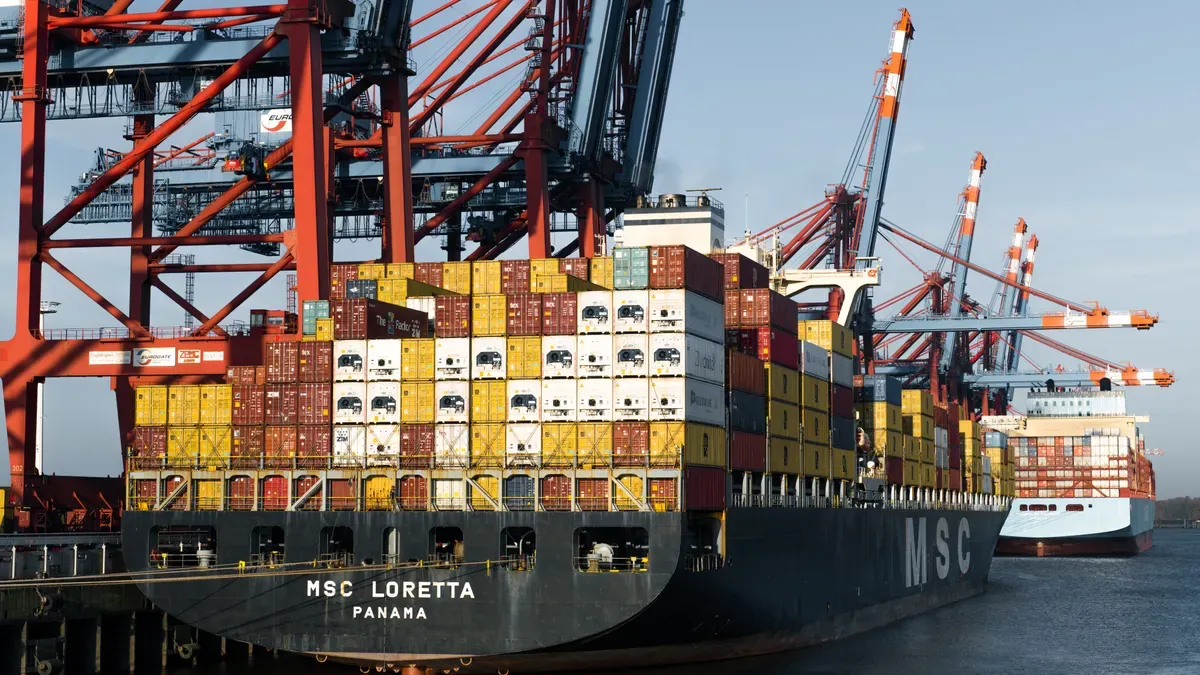
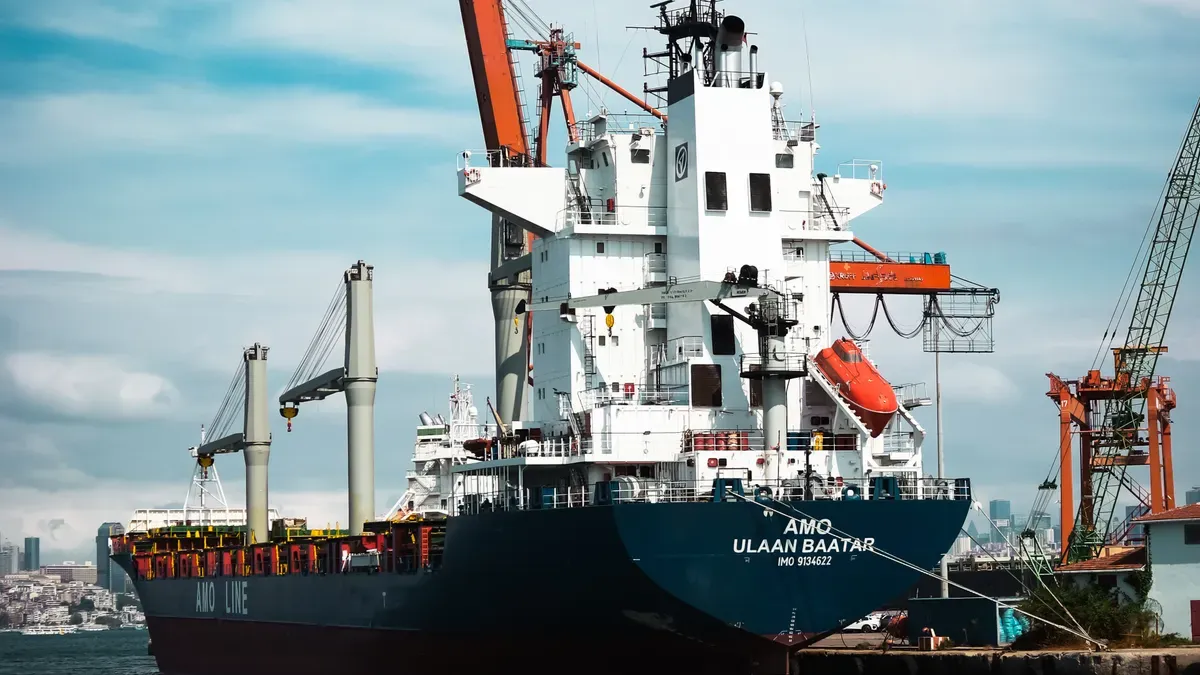
Suppliers with export experience plan shipping around project schedules. They pack pipe, connectors, and tools into sealed packs, then arrange freight and customs paperwork. Lead times depend on where stock is kept and how big the order is. So buyers should confirm both in writing. Local partners or branch offices cut response times for installation questions and spare parts.
Support depth varies by supplier. AIRpipe runs a dedicated European arm. Gardner Denver covers over 150 countries. Upipe handles overseas project setup, shipping, and local support from its base in Suzhou. Buyers should ask each compressed air piping supplier for named contacts, spare-parts stock locations, and typical response times before signing.
How to Evaluate a Compressed Air Piping Supplier
Verifying Credentials and Case Studies
Buyers should begin with documents, not sales brochures. Ask for ISO 9001 certificates, CE marking for European shipments, and pressure test reports. Also request material traceability records. A trustworthy compressed air piping supplier shares these files before the order. Make sure each certificate covers the exact product line being quoted, not just the parent company.
Case studies give real proof. Look for projects in the same region and industry as the buyer's plant. Ask for client contacts when you can. Site visits or video walkthroughs show how a system holds up after years of service. Check that references match the buyer's pipe diameter, pressure rating, and air-quality class. Suppliers who cannot name one similar project should get extra scrutiny.
Comparing Cost, Fit, and After-Sales
Price by itself can mislead. Buyers should compare total installed cost, which includes pipe, fittings, tools, labor, and freight. How fast a system installs changes the math. Transair uses certified installers to build modular aluminum networks without welding or threading, which cuts installation time and bad connections. Prevost offers trained installation partners plus maintenance programs.
Warranty terms differ a lot. Infinity offers a 10-year leak-free warranty, while Fastpipe offers only 12 months. Local service coverage matters as much as warranty length. Before committing, buyers should confirm that regional distributors stock spare fittings and employ certified installers.
Fit deserves equal weight. A system sized for the wrong pressure or flow wastes money, no matter how strong the warranty looks.
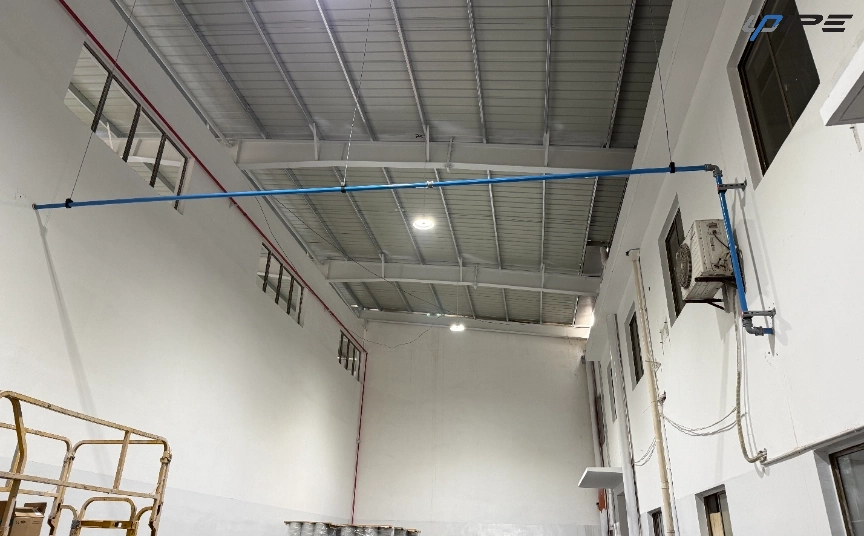
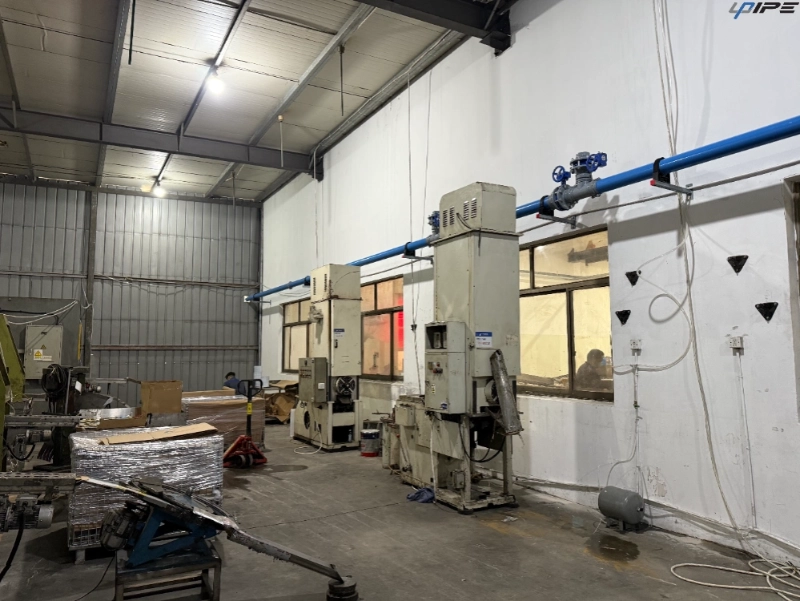
Upipe makes the Upipe Aluminum Pipe System from pure aluminum, with no recycled material. Every pipe has a thicker wall. Models DN40 and up add pre-treated raised rings that save time during on-site installation. Sealing rubber imported from Thailand stands up to vibration and poor installation. Connectors use an integrated molding process, so the bolt and body have equal strength. A gooseneck design stops condensate from flowing down into the pipes, and all clamps include anti-vibration features. Ball valves use integrated aluminum alloy for long-term stability. Each pipe ships with a non-woven fabric lining, outer plastic sealing, and sealed ends to block contamination. The company handles overseas project setup, shipping, and local support from Suzhou.
AIRpipe is a global leader in aluminum piping for compressed air, vacuum, and inert gas. Its own AIRpipe Europe arm gives European buyers a regional contact for compliance and service. The company checks air quality against ISO 8573-1 classes, adapts to local rules, and offers support in many languages. Fast installation keeps downtime low. Large projects in factories, hospitals, and tall buildings form its main base.
Transair, part of Parker Hannifin, competes on global distribution and certified leak-tightness. The Transair division brings in about $300 million a year, with 6–8% growth year over year. It serves defense, shipbuilding, energy, textiles, semiconductors, and automotive plants. Buyers who need a widely distributed compressed air piping supplier with modular aluminum networks will find Transair a strong fit for multi-site programs.
Gardner Denver, Flowell, and Others
Gardner Denver exports to over 150 countries. That reach suits buyers who want an established compressor brand behind the piping, plus design, setup, and service support. Factories, food plants, and hospitals are common applications. Flowell serves Europe, the Middle East, Africa, and Southeast Asia. Its systems work across many climates, and the company builds custom solutions for factories, workshops, and public buildings.
Prevost supplies aluminum piping for compressed air, vacuum, and nitrogen systems. The PPS Grip Concept and size markings speed up installation. Prevost backs its couplings with a 3-year leak-free guarantee when paired with a nitrided steel PREVOST plug, and it offers a 10-year warranty on its piping.
Parker offers aluminum, stainless, and copper options with engineering support. BOGE manufactures industrial compressed air systems in Germany, which appeals to buyers who prefer German-built equipment.
Each compressed air piping supplier fits a different profile. Upipe and AIRpipe suit aluminum systems with strong export support. Transair and Parker fit large programs. Gardner Denver and BOGE attract buyers loyal to established compressor brands. Prevost works for teams that value installation discipline and long warranties.
Tips for Working With Export Suppliers
Communication and Contracts
Clear talking stops most export problems. Buyers should pick one contact person on each side. That person handles questions about drawings, delivery dates, and documents. Written messages work better than phone calls here. A short email trail keeps both teams on the same page about pipe sizes, pressure ratings, and air-quality classes.
Contracts need careful reading. The document should list the exact product line, the certification files, and the shipping terms. Buyers should confirm who pays freight and who handles customs paperwork. Payment schedules belong in writing too. A deposit tied to shipment steps protects both sides.
Buyers should never take a verbal promise about CE marking or ISO 9001 coverage. Ask for the certificate file and check that it names the quoted product.
Language barriers can slow a project. Suppliers with export experience often give English documents and support in many languages. AIRpipe, for example, offers support in many languages. Buyers who work in other languages should ask early whether technical manuals and labels come in their local language.
After-Sales and Spare Parts
Spare parts decide how fast a plant recovers from a failure. Buyers should ask where the supplier keeps fittings, seals, and valves for their region. A local distributor with spare stock cuts downtime. A supplier who ships every part from overseas adds weeks to a repair.
Warranty terms need a close look. Prevost backs its couplings with a 3-year leak-free guarantee when paired with a nitrided steel PREVOST plug, and it offers a 10-year warranty on its piping. Infinity Pipe Systems offers a 10-year leak-free warranty, while Fastpipe offers only 12 months. Buyers should compare these terms against local service coverage.
Training matters as much as parts. Certified installers build leak-tight networks and spot problems early. Transair and Prevost both run trained partner programs. Buyers should confirm that regional partners hold certification and stock common parts before signing.
Upipe, AIRpipe, Transair, Gardner Denver, Flowell, Prevost, Parker, and BOGE all have a strong record of exporting to Southeast Asia and Europe. The right choice still comes down to the application, certification needs, and budget. Buyers should check certifications, review case studies, confirm logistics and after-sales coverage, and compare total cost. They should also ask each compressed air piping supplier to explain sizing assumptions for local conditions. High heat, humidity, and coastal air can shorten equipment life, so catalog conditions rarely tell the full story. Narrow the list to two or three suppliers, then ask for export references and documents before deciding. This step protects the investment and prevents costly surprises after delivery.
FAQ
Which suppliers have proven export records to Southeast Asia and Europe?
Upipe, AIRpipe, Transair, Gardner Denver, and Flowell all ship to these regions. Gardner Denver reaches over 150 countries. AIRpipe runs its own European branch. Prevost, Parker, and BOGE also serve buyers in other countries. Each supplier shares a different amount of detail, so buyers should ask for references for their own market.
What certifications should buyers confirm before ordering?
European shipments usually need CE marking and ISO 9001. Food, drug, and electronics plants often add ISO 8573-1 air-quality classes. Southeast Asian projects tend to focus on pressure ratings and material traceability. Buyers should ask for certificate files that name the exact product line being quoted, not just the parent company.
How do warranty terms compare across suppliers?
Terms vary a lot. Prevost offers a 10-year warranty on its piping and a 3-year leak-free guarantee on couplings when paired with a nitrided steel PREVOST plug. Upipe backs its system with a ten-year guarantee. Infinity Pipe Systems offers a 10-year leak-free warranty, while Fastpipe offers only 12 months. Local service coverage matters as much as length.
Can smaller buyers order from export suppliers?
Yes. Suppliers with export experience often set minimum order sizes, so buyers should confirm these in writing. Upipe handles overseas project setup, shipping, and local support. AIRpipe offers support in many languages and local partners. Small buyers should ask about stock locations and freight terms before committing.
What documents should buyers request before signing?
Buyers should request ISO 9001 certificates, CE marking files, pressure test reports, and material traceability records. Case studies from the same region and industry add real proof. Named contacts, spare-parts stock locations, and typical response times belong in the contract. Written confirmation protects both sides.
This website uses cookies to provide you with a safer and more personal experience. By accepting, you agree to the Cookie Policy and the use of cookies for advertising and analytics purposes.