Home > News > Blog > Compressed Air Piping Solutions Designed for Demanding Textile Factories
# Blog
Compressed Air Piping Solutions Designed for Demanding Textile Factories
2026-08-27
Share:
Discover the best compressed air piping solutions for textile factories. Learn how aluminum systems prevent corrosion, reduce pressure drops, and save energy.
The factory floor surrounds you with heat, humidity, and drifting lint. Machines rumble and shake without stopping. Compressed Air powers your looms, spinning frames, and pneumatic controls. But a badly designed piping system causes pressure drops, dirt, and expensive downtime. What are the best piping options for these tough spaces? This guide shows you simple steps to pick, design, and care for a system that gives you dependability and saves energy. You learn how to skip common problems and keep your production moving.
Understanding Compressed Air Challenges in Textile Factories
The Impact of Moisture, Heat, and Lint on Piping
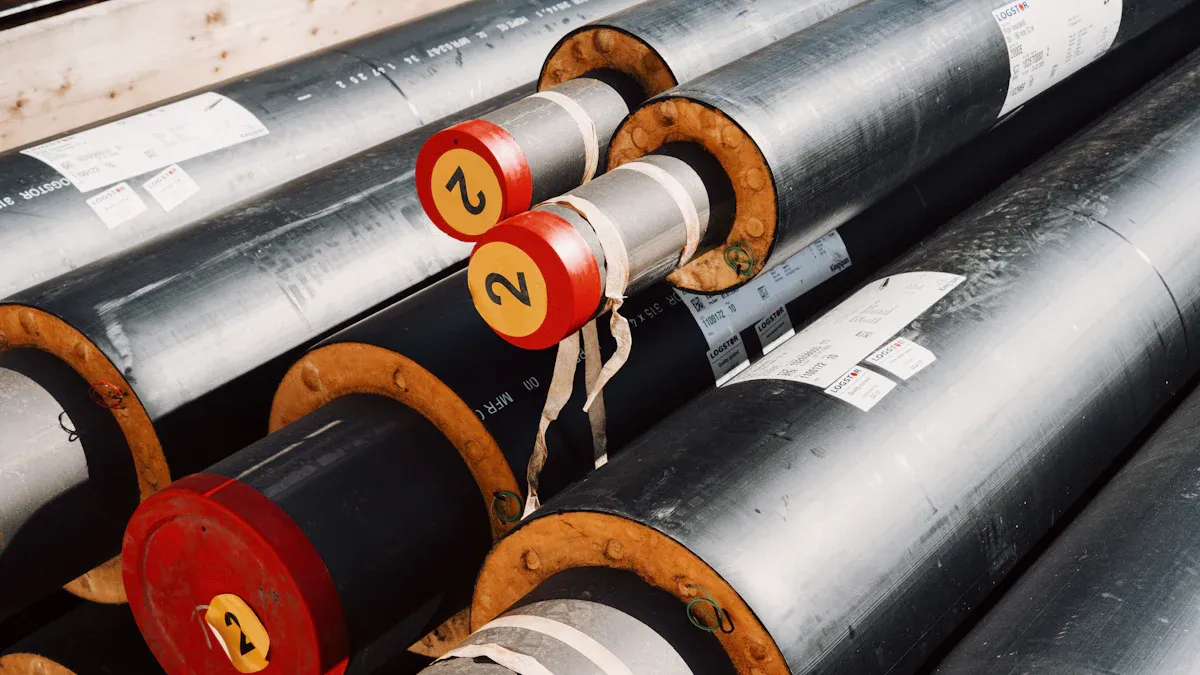
Your textile factory floor is hot and full of moisture. That moisture gets into your Compressed Air system. It turns into water inside the pipes. Over time, this causes rust. Old materials like black iron or galvanized steel get damaged easily. They form rust and scale. Tiny pieces break off and move through the system. They dirty the air supply. This dirty air can hurt your delicate textile products. You see flaws in the fabric. You have to fix them at a high cost. The rust also makes the pipe walls weaker. Leaks can start. You lose pressure and waste energy.
Lint is another big problem. Floating fibers fill the air. They get pulled into the system. Lint blocks filters and valves. It slows down airflow. You lose pressure. Your machines run slower. You lose production time. Cleaning and changing filters happens often. This adds to your maintenance costs. A system that cannot handle these problems will cost you money every day. In a textile plant, lint builds up fast. You might need to clean filters every day. That downtime for maintenance cuts your overall efficiency.
How Vibration and Contamination Affect System Reliability
Your machines run all the time. They create strong shaking. This shaking moves the piping system. It loosens fittings and joints. Air leaks happen. You lose pressure. Your energy costs go up. A small leak can waste a lot of energy over time. The constant movement also puts stress on the pipes. Weak spots can break. You face surprise downtime. Every hour of downtime cuts your output. The shaking also makes parts wear out faster. You need to check the system often. This raises your labor costs.
Contamination from rust and scale is not just a product quality problem. It also harms your equipment. Pneumatic controls need clean air. Dirty air makes valves stick. Seals wear out faster. You replace parts more often. This increases your maintenance budget. The mix of shaking and contamination makes your system unreliable. You need a piping solution that does not rust and stays tight under constant movement. Choosing the right product from the start saves you from these issues. A system built for these conditions works well all the time. You avoid the cycle of repairs and downtime.
Comparing Compressed Air Piping Materials for Textile Plants
Aluminum Piping: Lightweight, Modular, and Corrosion-Resistant
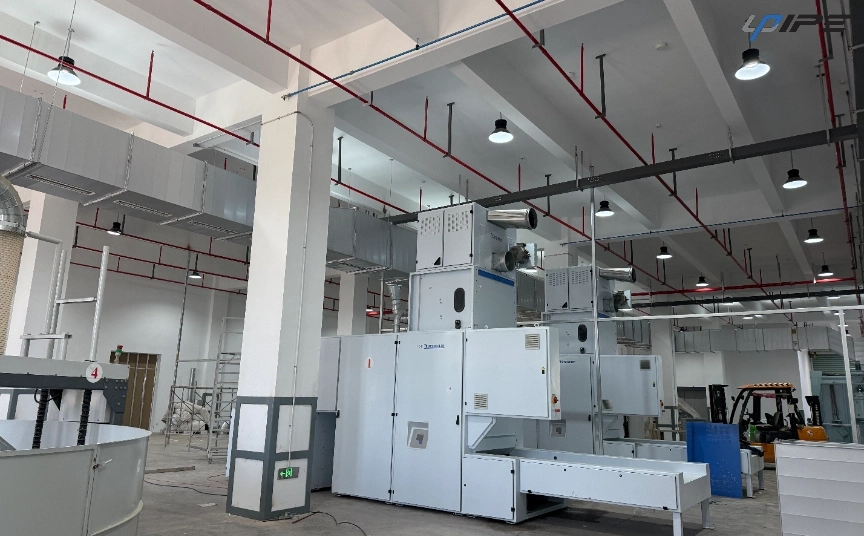
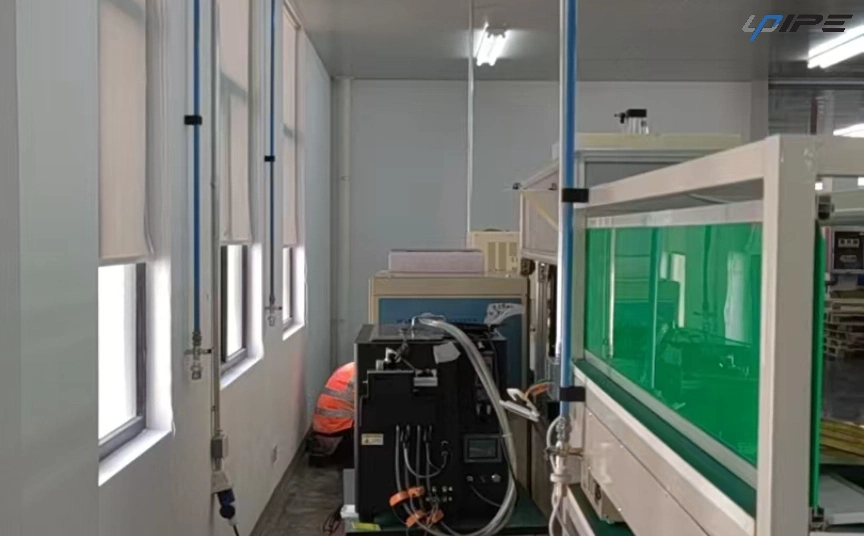
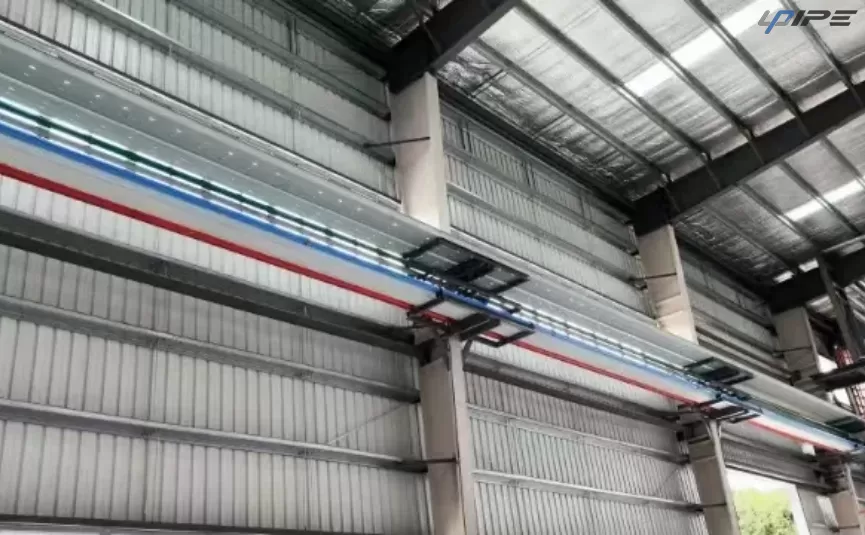
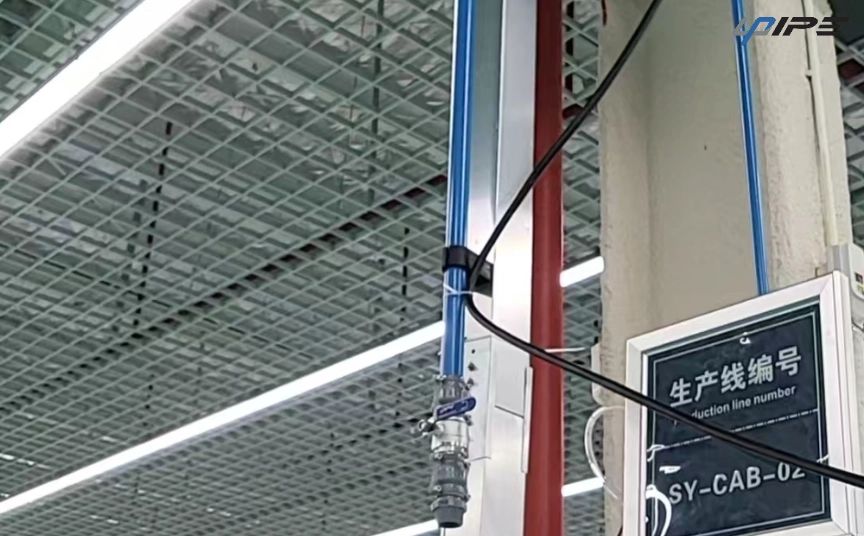
Aluminum piping is a modern choice for your textile factory. The UPIPE Upipe Aluminum Pipe System is a great example. It includes a full set of parts. You get aluminum pipes, 90° elbows, equal and reducing pipe-to-pipe connectors, equal and reducing tees, male and female connectors, and equal and reducing flanges. Every part fits together quickly. The design is modular. You do not need heavy welding equipment. Your team can use simple tools to install the system. This cuts installation time by up to 50% compared to welded steel. Less downtime means your factory stays productive longer.
The aluminum material does not rust. Moisture in the air does not cause rust. You avoid the scale and flakes that damage textile products. Lint and fibers do not stick to the smooth inner surface. Your air stays clean. Your pneumatic controls work reliably. The system also handles vibration well. The lightweight pipes put less stress on supports. The connectors stay tight under constant machine shaking. You get fewer leaks.
UPIPE serves customers in over 20 countries. The company makes 11,000 tons of aluminum piping each year. This large number shows it is reliable. Over 40 patents back the design. You can trust the system for tough environments. The leak-free design saves energy. You do not waste power on escaping air. Your energy costs stay lower.
Stainless Steel vs. Galvanized Steel: Traditional Options and Their Limits
Steel options have been the standard for many years. Galvanized steel costs less upfront. This makes it attractive for tight budgets. But the zinc coating wears away over time. Moisture reaches the steel underneath. Rust begins to form. Scale and flakes break off and travel through the system. This dirties your air. It hurts sensitive textile products. You see defects in fabric. You spend money on rework or scrap. The corrosion also weakens the pipe walls. Leaks develop. You lose pressure and waste energy. In a hot, humid textile plant, galvanized steel fails faster.
Stainless steel resists corrosion better. It does not rust easily. The material stays strong for many years. But stainless steel is heavy. Installation requires more labor and stronger supports. Welding takes time and skill. You need special equipment. The material cost is higher than galvanized steel. This raises your total project cost. The weight also adds stress to the building. You may need extra reinforcement. These factors make stainless steel less practical for many textile factories.
Choosing the Optimal Material for Your Factory
You need a piping system that balances cost, performance, and how long it lasts. Galvanized steel saves money at first but costs more over time. Corrosion leads to repairs, product waste, and energy loss. Stainless steel lasts long but is heavy and expensive to install. These trade-offs hurt your bottom line.
Aluminum provides the best balance. The lightweight design makes installation fast and simple. Your team can finish the job quickly. The corrosion resistance protects your air quality. Your products stay clean. The modular design allows easy expansion. You can add new machines without major changes. The system needs little maintenance. You save on labor and replacement parts. The energy savings from fewer leaks add up each year. For a demanding textile factory, aluminum gives you the reliability you need at a reasonable cost. You get a long-lasting system that supports your production goals.
Designing an Efficient Compressed Air Piping System
Optimizing Layout and Sizing to Minimize Pressure Drop
Choosing the right pipe size is key to how well your system works. Pipes that are too small block the airflow. Your machines then get less pressure. Looms slow down. Pneumatic controls react slowly. Pipes that are too big waste money. You spend extra on materials and stronger supports. Neither choice helps your production.
Follow these speed limits when you pick pipe sizes. The compressor room piping moves the most air. Keep the speed low there. The plant distribution mains can handle faster flow. The drops to each machine allow the highest speed. This step-by-step method balances cost and performance.
Your layout matters just as much as pipe size. A straight-line system sends air from one end. Machines at the far end get less pressure. You see uneven operation across your floor. A looped or grid layout fixes this problem. The loop circles your factory. Air flows from both directions to reach each machine. Pressure stays balanced everywhere.
The loop design also lets you use smaller pipes. For loop-type distribution systems, the capacity of straight-line piping multiplies by 1.5. This means a loop can carry 50% more air than a straight pipe of the same diameter. You save on material costs while keeping performance.
To avoid excessive pressure drop, the system should be designed so that the pressure drop between the air compressor and the point of use is no more than 3 PSI. If the drop exceeds this, it is an indicator that the piping is too small. This rule is critical for textile mills to ensure consistent operation of air-powered machinery.
Check your system against this 3 PSI rule. Measure the pressure at the compressor outlet. Then measure it at your farthest machine. The difference should stay under 3 PSI. If you see a larger drop, your pipes are too small. Upgrade those sections to larger sizes.
Installation Best Practices for Leak Prevention and Drainage
How you install the system affects how long it lasts. Poor installation leads to leaks. Leaks waste energy and raise your operating costs. You need proper techniques from the start.
Slope your pipes correctly. A slope of 1-2% allows condensate to drain naturally. Water flows toward collection points. You remove moisture before it reaches your machines. Without proper slope, water pools in low spots. This water causes corrosion and contaminates your air supply.
Use high-quality seals at every joint. Cheap seals fail quickly under vibration. You get leaks that are hard to find. Premium seals maintain their grip for years. They resist the constant shaking from your looms and spinning frames. Your system stays tight.
Consider modular piping systems for your installation. The UPIPE Upipe Aluminum Pipe System uses a quick-install design. Your team connects components with simple tools. No welding equipment is needed. This approach reduces installation time by up to 50% compared to welded steel. Your factory faces less downtime during the changeover. You get back to full production faster.
The modular design also simplifies future changes. You can add new machines without cutting and welding pipes. Just disconnect a section and insert new components. This flexibility saves time and money as your production needs evolve.
Your Compressed Air system performs best when you design it carefully. Size your pipes using the velocity guidelines. Choose a loop layout for balanced pressure. Install with proper slope and quality seals. These practices keep your system efficient for years. You avoid the costly cycle of repairs and downtime that plagues poorly designed systems.
Maintaining Your Compressed Air Piping for Long-Term Performance
Your piping system needs regular care. Small problems grow into big ones without attention. A tiny leak wastes energy every day. The costs add up quickly.
Proactive Leak Detection and Regular System Audits
A small leak costs you money. A 1/8-inch hole can waste hundreds of dollars each year. You pay for air that never reaches your machines. Finding leaks early saves real cash.
Ultrasonic leak detectors work well in loud factories. Your textile plant has constant noise from looms and spinning frames. These tools listen for specific frequencies that leaks create.
Can ultrasonic sensors detect leaks in a noisy production environment? Yes. Compressed air leaks create turbulent flow in the 35–45 kHz ultrasonic range — well above the 0–20 kHz range of most industrial ambient noise (motors, HVAC, conveyors). Modern ultrasonic sensors use narrow-band filtering to isolate leak signatures from background noise, making them effective even in loud stamping, machining, or packaging environments.
Walk your system regularly. Look for loose fittings. Listen for hissing sounds. Feel for escaping air. These checks catch problems early.
High-production, multi-shift, food, or pharmaceutical plants
Continuous monitoring
Real-time (supplement or replace periodic audits)
Facilities with IoT sensors connected to CMMS
Your textile factory runs multiple shifts. Plan for quarterly partial audits. This keeps your system efficient all year.
Extending System Life with Filtration and Condensate Management
Clean air keeps your system healthy. Filters remove dirt and oil. Check and replace them on schedule. Clogged filters restrict airflow. Your machines lose pressure.
Condensate causes corrosion inside pipes. Water collects in low spots. Rust forms over time. You need proper drainage points. Check them regularly.
The UPIPE aluminum system needs less maintenance than steel options. The corrosion-resistant surface does not rust. The reliable seals stay tight under vibration. You spend less time fixing problems.
One textile plant switched to aluminum. They reduced energy costs by 15% within the first year. The leak-free design stopped wasted air. The smooth surface prevented contamination.
Your Compressed Air system works hard every day. Give it the care it needs.
Your piping choice directly affects your profits. Energy savings, reduced downtime, and lower maintenance costs all trace back to this decision. View your piping system as a long-term investment, not a one-time installation.
Assess your factory environment first. Choose the right material—aluminum stands out for corrosion resistance and quick installation. Commit to a regular maintenance schedule with leak detection and filter checks.
Evaluate your current Compressed Air system against these criteria. Consult with a specialist for a tailored solution. Informed decisions lead to a more reliable and profitable operation. Your textile factory deserves a piping system that works as hard as you do.
FAQ
What causes pressure drops in a compressed air system?
Pipes that are too small cause the biggest issues. The pressure drop from your compressor to the farthest machine should stay under 3 PSI. If the drop is bigger than that, your pipes are too small.
How often should I inspect my piping for leaks?
Do a full check at least once a year. Plants that run many shifts and produce a lot should check every three months. Use ultrasonic detectors to find leaks even when the factory is loud.
Why does aluminum piping work well in humid textile factories?
Aluminum does not rust. Moisture inside the pipes does not create scale or flakes. Your air stays clean. Your textile products avoid contamination from rust particles that damage sensitive fabric.
Can I install aluminum piping without long factory shutdowns?
Yes. Modular aluminum systems connect with simple tools. No welding equipment is needed. Installation time can be up to 50% faster than welded steel. Your factory faces less downtime during the changeover.
How much energy can I save by fixing leaks?
A 1/8-inch leak wastes hundreds of dollars each year. Fixing leaks saves that energy. One textile plant reduced energy costs by 15% after switching to a leak-free aluminum system.
This website uses cookies to provide you with a safer and more personal experience. By accepting, you agree to the Cookie Policy and the use of cookies for advertising and analytics purposes.