Home > News > Blog > Which Compressed Air Piping System Helps Minimize Maintenance Downtime?
# Blog
Which Compressed Air Piping System Helps Minimize Maintenance Downtime?
2026-10-08
Share:
Aluminum piping systems minimize maintenance downtime with corrosion resistance, leak-resistant connections, and modular installation for fewer repairs.
An aluminum compressed air piping system cuts maintenance downtime because it fights rust, weighs much less than steel, installs fast with modular parts, and makes connections that resist leaks. The three main causes of piping downtime are rust, leaks, and pressure drop, and aluminum construction tackles each one directly: rust-resistant surfaces stop corrosion, and precision-made fittings keep their seal for years. Material comparison, loop layout and isolation valve choices, sizing and installation habits, and filtration and condensate management all shape that reliability and form a practical checklist for your next retrofit or new install. Use that checklist to reduce reactive repairs and keep your plant running longer between service intervals.
Key Takeaways
Aluminum piping resists rust, its modular parts install quickly, and its tight fittings stop leaks, which reduces maintenance downtime.
A loop layout reduces pressure loss. Shutoff valves let you fix one section. The rest of the system stays running.
Using the right pipe size stops pressure loss. Shorter pipes lower friction. Fewer bends help air flow. This saves energy costs.
Dryers take out moisture. Filters catch dirt. They trap oil mist. Checking drains often prevents water damage. Planned maintenance stops emergency repairs.
Why Downtime Matters in Compressed Air Systems
The Cost of a Failed Pipe
A broken pipe brings your production line to a halt. You pay for emergency repairs, lost output, and overtime. Your energy efficiency also drops because leaks and pressure losses make your compressors work harder. These costs pile up fast, and they hurt your bottom line every hour the system is down.
Fixing problems after they happen costs more than preventing them. When you wait for a pipe to fail, you face the full damage: water damage, equipment contamination, and rushed replacement work. A proactive plan catches small issues early. You fix a slow leak before it turns into a burst line. You replace a corroded section before it contaminates your pneumatic tools. This approach extends equipment life and keeps your schedule predictable.
Modern systems with better controls and diagnostics help you prevent downtime instead of reacting to it. Flow monitors and pressure sensors show you exactly where problems start. You can schedule repairs during planned shutdowns instead of scrambling during peak production.
How Piping Choices Drive Uptime
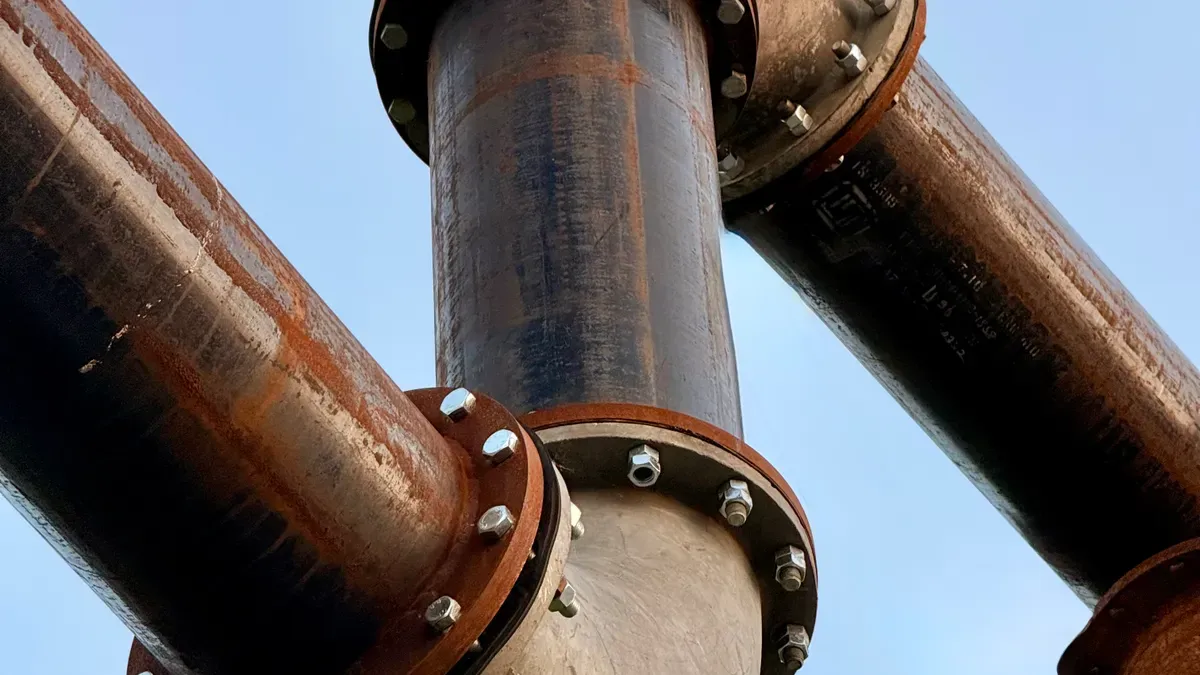
Your piping material choice directly affects how often you face downtime. According to Unipipe Solutions, black iron or galvanized steel compressed air piping usually lasts 15 to 20 years under normal operating conditions. However, these pipes tend to corrode, which can greatly shorten their lifespan, especially when moisture is present in the compressed air. Galvanized steel tends to last a bit longer than black iron or mild steel, but it also corrodes as the zinc layer wears away.
Corrosion behavior varies by material, and that behavior shapes your uptime. Black iron releases rust particles that damage pneumatic equipment and speed up system failure. Galvanized steel sheds zinc flakes that clog valves and tools. Aluminum resists corrosion without flaking or shedding particles, which avoids corrosion-driven failures and supports continuous operation.
Proper material selection matches your process conditions, environment, and lifecycle cost goals. The right Piping System supports safe operation, longer service life, and cost optimization. David Boyette of Velocity Conveyors switched from black iron to aluminum piping and reported that jobs which used to take weeks now take days, with less labor and less on-site time. He identified black iron's tendency to rust as a major reason, directly linking corrosion-prone material to slower, less reliable operation.
Comparing Piping Systems by Downtime Risk
Check a Piping System using downtime-related points: corrosion resistance, leak resistance, installation speed, pressure drop, longevity, and lifecycle cost. No single material wins on every point. Here is how they compare.
Steel and Galvanized Steel Risks
Steel piping corrodes from the inside. Moisture in compressed air reacts with the pipe wall, creating rust and scale. These deposits roughen the inner surface, restrict airflow, and raise pressure drop. Your compressor then works harder to maintain system pressure, consuming more electricity.
Traditional black iron systems need leak repair every 3 to 6 months. Corroded sections often require replacement within 5 to 10 years. Specialized contractors handle most repairs. You wait for outside help while production stalls. Old pipework wastes up to 30% of compressed air volume through leaks at pipe joints.
Galvanized steel offers slight improvement. Its zinc coating resists corrosion initially. The coating wears away over time. Then the same rust and scale problems appear. Eventually, scale can clog a line or damage connected equipment.
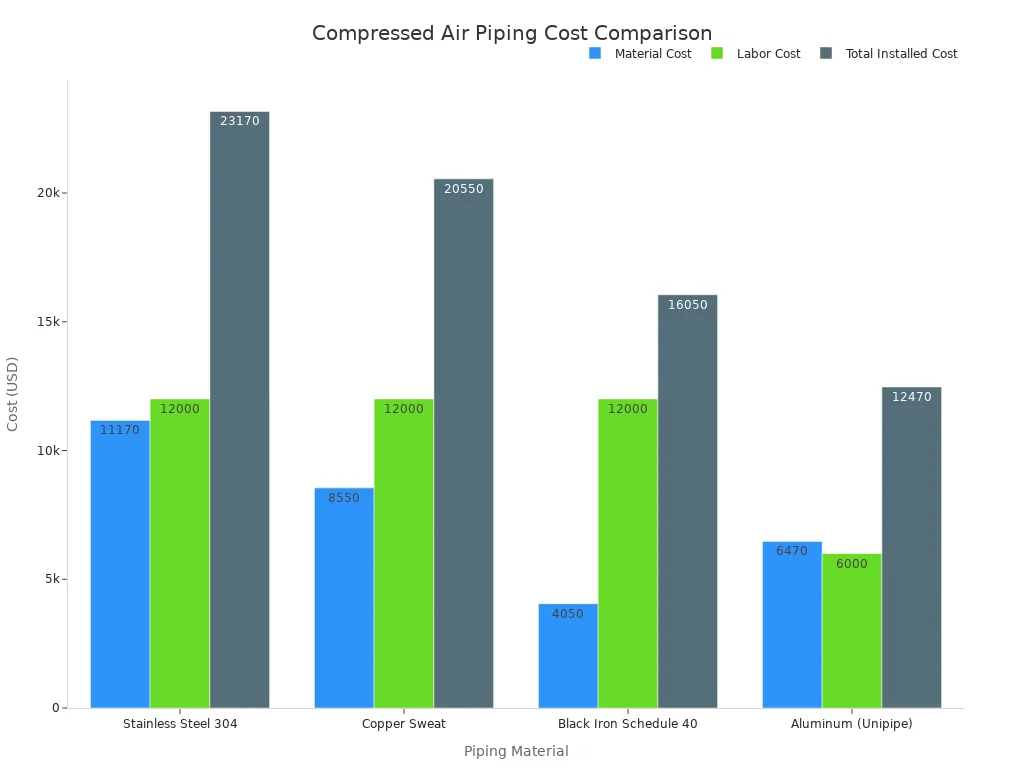
The first price of the piping material can fool you. In other words, a cheaper choice might bring high maintenance and energy costs. So, I work out the total cost of ownership—including installation, energy efficiency, and expected lifespan. Most importantly, I make sure to add the cost of downtime from leaks or repairs. For instance, aluminum systems may cost more upfront but can give big savings over time.
Copper, Aluminum, and Stainless Steel
Copper resists corrosion very well. Installation requires brazing and skilled tradespeople. Hot work permits add delays. Heavy rigging raises labor costs.
Stainless steel offers strong corrosion resistance. The material cost is high. Heavy sections require more supports. Labor costs remain similar to steel because welding takes time.
Aluminum's total installed cost is roughly 22% less than black iron, 39% less than copper, and 46% less than stainless steel. Its material cost exceeds black iron. Labor is halved because crews skip threading, welding, and soldering.
Material
Installation Speed
Corrosion Resistance
Energy Efficiency
Safety & Compliance
Aluminum
Fast (push-to-connect)
Excellent (no scaling)
High (low friction)
High (OSHA compliant)
Galvanized Steel
Slow (threading required)
Poor (internal rust)
Low (high friction)
High (structurally sound)
Copper
Very slow (brazing needed)
Excellent
Medium
High (hot work risks)
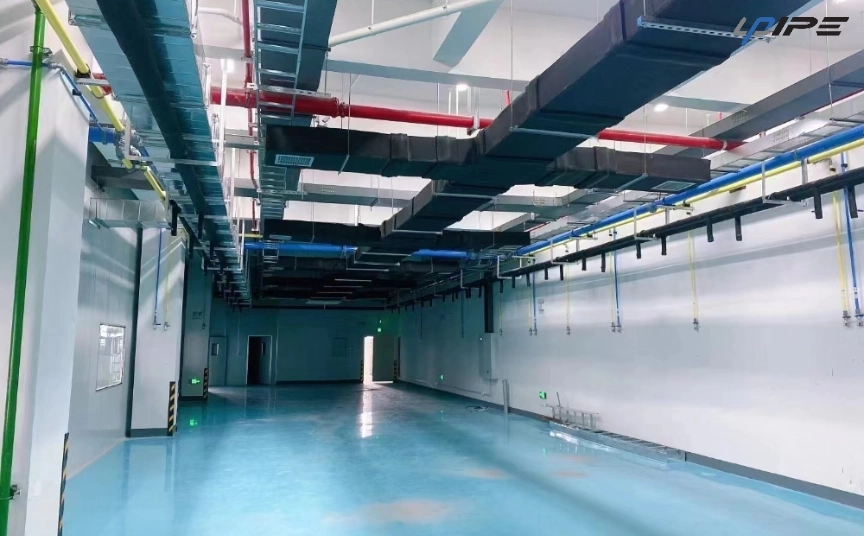
The table shows why a Piping System with aluminum supports uptime. The Upipe Aluminum Pipe System shows these benefits. It serves compressed air, vacuum, and inert gas uses. Its component range includes 90° elbows, equal and reducing tees, flanges, quick drops, ball valves, butterfly valves, and a flowmeter. Crews build complex layouts without welding or hot work permits.
Aluminum fittings give a virtually leak-free seal. The grip-ring design is reported to be 5 times more secure than other aluminum systems. Less air escapes, so energy consumption drops. Facilities that switch to aluminum piping can cut energy costs by 10 to 15%. A 15% saving on a 50hp compressor can mean $3,000 to $5,000 per year. Energy costs over ten years exceed the first equipment and installation cost. Improving a pipework system can yield potential cost savings of 34%.
Design Choices That Cut Future Maintenance
Your material choice sets the starting point. Your layout design decides how much downtime you avoid. A smart Piping System lowers pressure drop. It stops moisture problems. It lets you fix one section while the rest of the plant keeps running.
Loop Layouts and Isolation Valves
A loop-type distribution system is the best layout for compressed air. Air flows in two directions, so each tool takes the easiest path. This lowers pressure drop and makes sure full airflow reaches downstream equipment. The right pipe sizing in the main loop and branch connections cuts pressure losses. Fewer elbows and tees mean less friction.
Put the compressor in the center and close to the tools it serves. Shorter piping runs cut pressure losses and improve service access.
Use a loop layout so air flows in two directions and takes the easiest path, lowering pressure drop.
Pick high-quality aluminum piping because it lasts longer and cuts leaks, lowering lifecycle maintenance downtime.
Isolation valves turn a loop into a flexible asset. Place valves at each branch and at key sections of the loop. When a section needs repair, close its valves and drain the line. The rest of the network keeps supplying air. Your crew works safely while production continues elsewhere. Sectional isolation removes full-system shutdowns.
Plan the layout to avoid obstructions, sharp angles, and undersized piping. Push-in fittings let you connect new lines without stopping the compressed air system. You avoid downtime because the system keeps running.
Slopes, Drains, and Accessible Supports
Moisture is your biggest enemy after leaks. A proper slope lets condensate flow toward drain points instead of pooling in low spots. Water sitting inside the pipe risks corrosion and rust particles in your tools.
Support piping at intervals set by the manufacturer to avoid stress and sagging.
Include allowance for thermal expansion, especially where temperature changes are big.
Seal all connections properly and leak-test the system before full operation.
Document the system layout so future inspections and repairs are faster and more reliable.
Accessible supports matter because you need to reach every joint and valve. Put supports in open areas where you can see rust, drips, or loose fittings. Slope, drains, and supports work together. A well-sloped line with blocked drains fails as fast as a flat line with no drains. Check drains regularly and clear them before moisture builds up. Push-in fittings allow live connections without stopping the air supply, so you can add a branch during production hours. A documented layout speeds up every future repair.
The right pipe size keeps pressure drop low, reduces friction loss, and sends steady airflow to every tool. If a line is too small, your compressor has to run at higher pressure to push air through. Every 2 PSI of unneeded pressure drop costs about 1% more compressor energy. A 20 PSI drop makes the system run at 120 PSI when equipment only needs 100 PSI, which raises energy costs by about 10%.
Keep air speed in your mains between 20 and 30 feet per second. Some designers stick to 20 ft/s. Going past this limit causes turbulence, noise, and moisture carryover past drip legs. Make the piping between your air dryer or dry storage tank and the distribution loop at least one size larger than the loop piping. Figure out total airflow in SCFM from your tool data, then use sizing tables and round up to allow for 5 to 10 years of future growth.
Installation Habits That Prevent Leaks
Good installation habits stop leaks before they start. Use a loop-style layout so air flows in any direction and takes the path of least resistance. Limit elbows and tees, and stay away from hoses and quick couplings that add pressure drop. Fix leaks as a top priority. Finding leaks early can cut them to less than 10% of output.
The Upipe Aluminum Pipe System supports these habits. Its modular design allows flexible setups and fast installation, which lowers installation-related downtime. Products meet ASME B31 requirements and hold CRN, TSSA, and European PED 2014/68/EU compliance. A well-engineered Piping System supports reliable operation and fewer maintenance interruptions. Clean clogged filters, keep drains clear, and run regular leak studies with ultrasonic detection to maintain pressure stability.
Compressed air dryers take out moisture before it gets to your tools. Wet air turns into water inside pipes and tanks. That water causes rust, breaks pneumatic controls, and makes equipment wear out faster. A good dryer stops these problems before they start.
Inline filters catch particles, moisture, and oil from the air stream. Without them, dirt plugs small holes and harms precision tools. Oil mist from lubricated compressors coats valves and makes them stick. Coalescing filters trap oil aerosols at 99.99% efficiency at 0.01 microns. Clean air keeps tools working and products free from contamination.
Check filter pressure differential often. A clogged filter makes your compressor work harder and use more energy. Replace elements on schedule, inspect separators, and confirm dryer performance. Monthly coalescer checks keep oil carry-over within ISO 8573-1 limits. These tasks protect downstream equipment and make it last longer. Planned service always beats emergency repairs.
Drainage and Moisture Control
Condensate builds up at certain points in every system. Put drains at the compressor discharge, receiver tank bottom, dryer outlet, and all low points in the piping loop. Without drains, water collects and causes serious problems.
Manual drains need operators to open valves every day. People forget. Automatic timer drains release condensate on a set schedule and work well in hard-to-reach spots. Zero-loss drains are the best choice. Float mechanisms sense water and open just long enough to let it out without wasting compressed air. This cuts operating costs and compressor runtime.
Moisture can also freeze in cold places. Ice blocks filters, stops drain mechanisms, and expands until pipes crack. Water hammer happens when pooled condensate suddenly moves with airflow, creating destructive pressure waves that damage fittings.
Watch dew point to stay ahead of these problems. Real-time tracking spots issues before they get expensive. For outdoor systems that see temperature drops, keep sub-zero pressure dew points of -4 °F or lower to stop condensation.
Filtration and drainage are parts that reduce maintenance, not extras you can skip. They protect piping, tools, and product quality. Good condensate management supports long-term reliability with fewer surprise breakdowns and lower repair costs.
A Low-Downtime Piping System Checklist
A dependable compressed air network begins with a good plan and stays strong with daily care. Use this checklist to check an existing line or help with a new install. The right Piping System design cuts how often you need repairs from the very first day.
Material and Design Checklist
Begin with aluminum that resists corrosion. It never scales, so the inside stays smooth and airflow stays steady. Pick a loop layout so air can move in any direction. This lowers pressure drop and gives you choices when you need to make repairs.
Put isolation valves at each branch. Then you can fix one section while the rest of the plant keeps running. Slope lines toward drains you can reach so water never sits in low spots. Support pipes at the right spacing to stop sagging and shaking.
Check
Why it reduces downtime
Make sure material and pipe size match the design
Lines that are too small cause pressure drop and strain
Put isolation valves at branches
One section can be fixed while the rest keeps running
Slope lines toward drains
Condensate stays out of low spots where corrosion begins
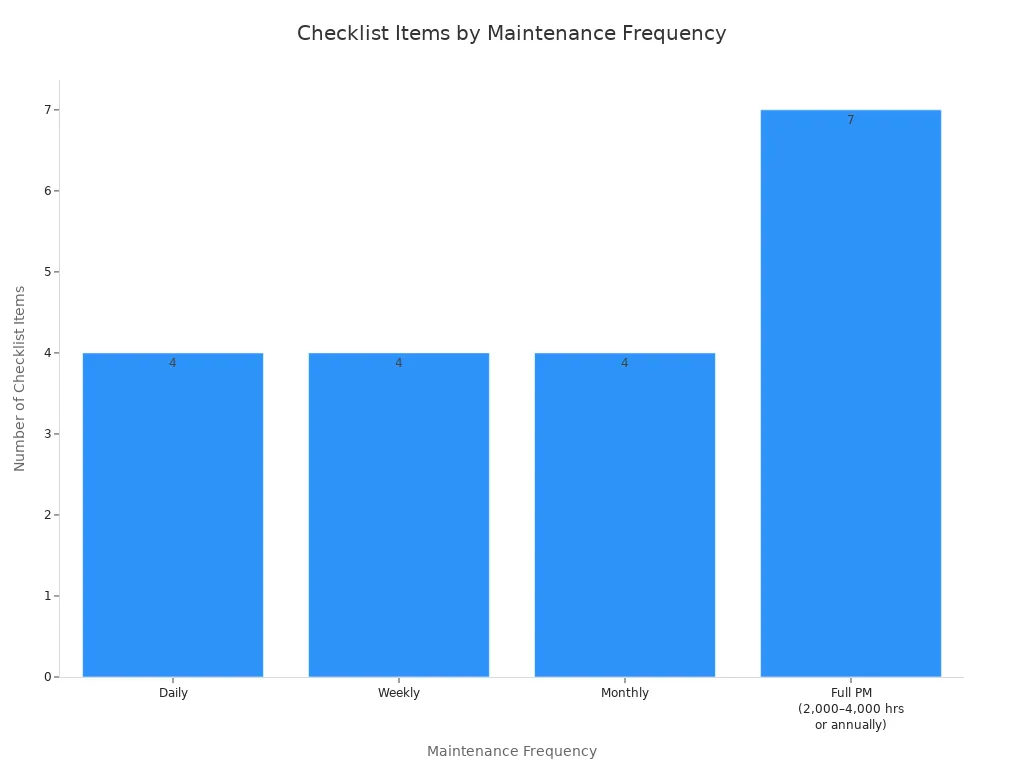
Daily: Drain condensate from the compressor, receiver tank, dryers, and distribution system. Check oil level, operating temperatures, and pressure readings.
Weekly: Clean intake filters. Inspect belts and couplings. Test safety relief valves and automatic drains.
Monthly: Do a leak survey across fittings, regulators, and pipe joints. Replace clogged filters.
Annual: Change oil and filters. Maintain condensate traps. Inspect coolers and drive systems.
Aluminum piping minimizes downtime through corrosion resistance, modular installation, and leak-resistant connections. Traditional steel systems waste 20–30% of compressed air through leaks, while aluminum's smooth interior and tight fittings deliver 10–25% annual energy savings. Material choice and smart design work together—neither alone guarantees uptime. Choose aluminum for most new or retrofit Piping System projects, apply the checklist, and adopt a proactive maintenance plan.
FAQ
How does aluminum piping reduce downtime compared to steel?
Aluminum fights rust and never builds up scale inside. Smooth inner walls keep airflow steady and pressure drop low. Precision fittings resist leaks. Steel rusts over time, sheds particles into tools, and needs frequent repairs. You spend less time fixing leaks and more time running production.
Why should I choose a loop layout for compressed air?
A loop lets air travel in two directions. Each tool takes the easiest path, which lowers pressure drop. You can close isolation valves on one section and repair it while the rest of the system keeps working. That means no full-plant shutdown for routine maintenance.
How do isolation valves prevent unnecessary downtime?
Place isolation valves on each branch and at key sections of the loop. When one area needs repair, you close its valves and drain that line only. Other tools stay in service. Your crew works safely without stopping production elsewhere.
What maintenance tasks keep leaks from causing downtime?
Daily, drain condensate from tanks, dryers, and low points. Weekly, check filters and test automatic drains. Monthly, run a leak survey with ultrasonic detection. Annual, change oil and filters. These simple steps catch small problems before they turn into emergency repairs.
Do I need dryers and filters in an aluminum piping system?
Yes. Aluminum piping protects against corrosion, but moisture still harms tools and controls. A reliable dryer removes water before it enters the line. Inline filters catch particles and oil mist. Clean air protects your equipment and keeps product quality consistent.
This website uses cookies to provide you with a safer and more personal experience. By accepting, you agree to the Cookie Policy and the use of cookies for advertising and analytics purposes.