Home > News > Blog > Compressed air pipeline solutions for electronics assembly plants
# Blog
Compressed air pipeline solutions for electronics assembly plants
2026-07-03
Share:
Compressed air pipeline solutions deliver clean, reliable air and boost efficiency for electronics assembly plants, protecting sensitive equipment.
You need the right compressed air pipeline in your plant. This helps your work go smoothly. Clean and reliable air stops defects. It also protects sensitive equipment. High efficiency saves you time and money. Upipe Aluminum Pipe System gives you strong, pure aluminum pipes. This brings a new level of quality. Other top solutions are also available. You have options to fit your needs.
Key Takeaways
Pick a compressed air pipeline that gives clean, dry air. This helps protect your equipment and lowers the chance of defects. - Use systems made with strong materials like aluminum. This stops rust and helps the system last longer. - Plan your pipeline layout well to stop pressure drops. This keeps the air flow steady. - Check for leaks often and do maintenance. This keeps your air quality good and saves money. - Think about future growth when picking a system. This makes sure your system can grow with your plant.
Best Compressed Air Pipeline Solutions
Key Selection Criteria
When you pick a compressed air pipeline, you need to think about a few things. These things help your plant work well and keep your equipment safe.
Air quality is very important. You want pure, dry air so your machines do not get damaged. Good air dryers and filters take out water and dirt.
The way the system is set up matters a lot. A smart layout and the right pipe size help stop pressure drops. This saves energy and money.
Maintenance is important too. You want a system that is easy to check and clean. Taking care of it keeps your air clean and the system working well.
Electronics makers want clean and efficient compressed air pipeline systems. You want a system that gives you uptime and control over air quality. You should check your air needs and look for leaks or problems. The best systems use strong materials and smart designs to keep air pure.
Industry Options Overview
You have a few good choices when you pick a compressed air pipeline. Each system has special features to help you meet your goals.
Upipe Aluminum Pipe System
Upipe Aluminum Pipe System uses pure aluminum pipes. These pipes do not have recycled materials, so they last a long time. The thick walls make the pipes strong and tough. Upipe uses advanced connectors made in one piece. This makes the joints strong and stops leaks, even if pipes move.
The inside of Upipe pipes is smooth, so air flows easily. This design also keeps water and dirt from building up. You spend less time on maintenance and get cleaner air. Upipe’s packaging keeps pipes clean until you use them, so you do not worry about dirt.
You also get raised rings for quick setup, special shapes to lower pressure loss, and a sealing system that works every time. These features make Upipe a great choice for reliability, air quality, and fast installation.
Other Leading Solutions
You can also choose other trusted brands:
TruLink: TruLink has modular aluminum systems. You can change your layout easily. The push-to-connect fittings make setup fast.
AIRnet: AIRnet uses light aluminum pipes. The system is easy to move and does not rust. You can install it quickly and keep your air clean.
Kaeser SmartPipe: Kaeser SmartPipe saves energy. The smooth pipes and leak-proof connectors help you save energy and keep air quality high.
All these systems use aluminum, which does not rust. This keeps your compressed air pipeline clean and safe. Aluminum pipes are smooth, so pressure drops less and water does not collect. These systems need less care than steel or plastic pipes.
Tip: When you compare systems, see how each one handles air quality, reliability, and setup. Pick the system that fits your plant and helps you reach your goals.
Clean air is needed to make good electronics. Even a little oil, water, or dust can cause trouble. If your compressed air pipeline does not keep air clean, products might not work. Bad things in the air can make you lose money. Many electronics plants want ISO 8573-1 Class 0 air quality. This rule helps stop oil from getting in and keeps products safe.
Clean compressed air helps stop products from breaking.
Oil, water, and dirt can hurt your electronics.
Good air quality means better work and fewer mistakes.
If dirty air gets in your machines, parts can get ruined. Tiny dust can make equipment not last as long. Bad chemicals in the air can break your machines. When tools get blocked, work slows down and costs more. Sometimes, you might have to recall products, which is bad for your business.
Reliability and Safety
You want your compressed air pipeline to work well every day. Good air systems help you stop losing time and money. If your air system breaks, the whole line can stop. This can make you miss deadlines and upset customers.
Dirty air can make equipment stop working.
Bad air makes equipment break more often.
Clean, steady air keeps your tools working right.
A safe air system keeps workers and products safe. You lower the chance of accidents and keep your plant working well. Picking the right pipeline helps your electronics assembly stay strong and work better.
Pipe Materials for Compressed Air Pipeline
Aluminum Pipe Systems
You need pipes that keep air clean and protect equipment. Aluminum pipe systems are a top pick for electronics assembly plants. Upipe Aluminum Pipe System uses pure aluminum pipes. These pipes have no recycled materials. The inside stays clean, so air flows well and stays pure. Upipe’s packaging keeps pipes safe from dirt until you use them. You do not need to worry about contamination.
Aluminum pipes do not rust or make oxide particles. This keeps your compressed air pipeline free from pollution. The smooth inside stops dirt and water from sticking. You get steady air quality, which is important for electronics. Aluminum is light, so you can install it easily and move it if needed. You save time and effort when setting up.
Technicians know it well, rust-resistant coating, but flakes can pollute air.
Stainless steel
No corrosion risk, strong, but threaded connections may leak.
Aluminium
Lightweight, anti-corrosive, smooth inside, low cost to own.
Copper
Corrosion-resistant, easy to cut and weld, good for clean air.
HDPE
Chemical and corrosion resistance, lightweight, easy to install.
ABS
Strong and durable, used in some compressed air systems.
Metal pipes like black iron and galvanized steel are strong. But they can rust and pollute your air. Stainless steel does not rust and works well for oil-free compressors. Copper is good for sensitive air systems, but it is mostly used in plumbing. Approved plastics like HDPE and ABS are light and easy to install. They resist chemicals and corrosion, but you must check if they are safe for electronics assembly.
You want a compressed air pipeline that keeps air pure and safe. Aluminum pipes give you the best mix of reliability, air quality, and easy setup. You protect your products and workers when you pick the right material.
Compressed Air Pipeline Design Objectives
Pressure Consistency
You need steady air pressure to keep your electronics assembly running smoothly. If the pressure drops or changes, your machines might not work right. This can lead to mistakes or even damage your products. You should design your compressed air pipeline to keep pressure the same from start to finish. Use the right pipe size and layout to avoid sharp turns or long runs that cause pressure loss. Smooth pipes, like those in aluminum systems, help air move without slowing down. When you keep pressure steady, your tools work better and last longer.
Energy Efficiency
Saving energy helps you lower costs and protect the environment. Making your compressed air pipeline more efficient can save a lot of energy. Here are some ways you can do this:
Optimizing your pipeline design can save 40-60% more energy than a basic system.
Using a Variable Speed Drive (VSD) can save 30-50% when your air needs change.
Adding a Master Sequencer Controller can give you 10-15% extra savings.
Lowering your system pressure can save 5-10%.
Recovering heat from compressors can save 15-20%.
Checking for leaks all the time can save 15-25%.
It takes about 7-8 horsepower of electricity to make just 1 horsepower of compressed air. Fixing leaks and lowering pressure drops can cut your energy bills a lot. You should always look for ways to make your system use less power.
Clean Air Delivery
Clean air is very important in electronics assembly. Even tiny bits of dust or oil can ruin your products. You need strong filters and good airflow to keep your air pure. Here is a table that shows the types of filters you might use:
Filter Type
Efficiency
Particle Size
Typical ISO Classes
HEPA (High Efficiency Particulate Air)
99.97%
0.3 µm
ISO Class 5–8
ULPA (Ultra Low Particulate Air)
99.999%
0.12 µm
ISO Class 4 and better
You should use unidirectional (laminar) flow in the cleanest areas. This means air moves in straight lines and keeps dust away from your products. In less sensitive areas, you can use turbulent flow, which mixes the air to spread out any dirt. Test your filters often and replace them if they do not work well. This keeps your compressed air pipeline safe and your products clean.
Layout and Installation Practices
Route Planning
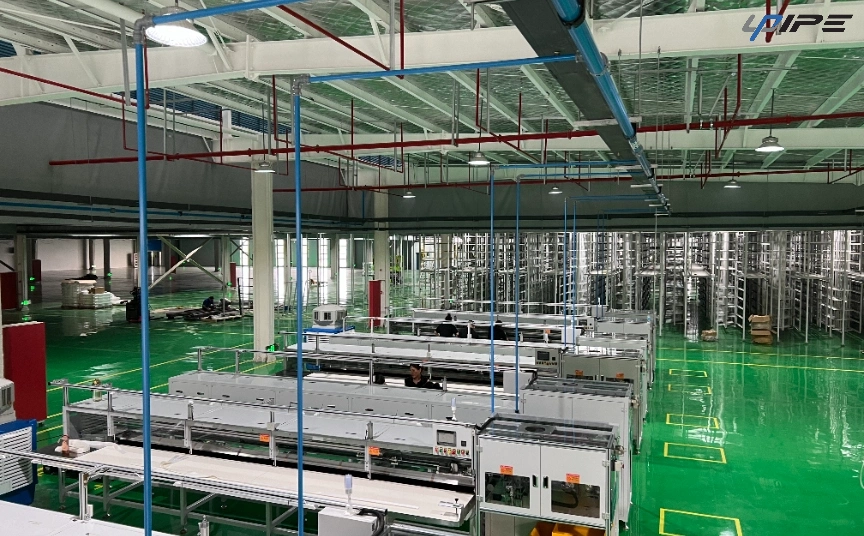
You need a smart plan for your compressed air pipeline. Good route planning keeps your air clean and your system strong. Here are some best practices:
Choose the right pipe size for your air flow and pressure needs.
Use straight runs and gentle bends to help air move smoothly.
Check all connections often to stop leaks.
Add drip legs to remove water and keep pipes dry.
Build a loop system so air can flow in more than one direction. This keeps pressure steady everywhere.
Make sure low points have drains to prevent blockages.
A well-planned route helps you avoid pressure drops and keeps your equipment safe.
Sizing and Expansion
You must pick the right pipe size for your plant. If the pipe is too small, you lose pressure. If it is too big, you waste money. Think about how much air you use now and how much you might need later. Always leave room for growth. Modular systems, like Upipe, make it easy to add new lines or machines. You can expand without starting over.
Tip: Plan for extra capacity. This helps you handle new tools or changes in production.
Installation Tips
You want your installation to be fast, safe, and reliable. Upipe’s raised rings and quick drops let you set up pipes quickly. The foolproof sealing system stops leaks, even if you make a mistake. Modular components and push-to-connect fittings make changes easy. You do not need special tools. Here is a table showing helpful installation techniques:
Technique
Benefit
Aluminum Piping
Light and easy to handle. Resists rust and corrosion.
Push-to-Connect Fittings
Quick to install. No special tools needed.
Modular Components
Easy to expand or change layout.
Leak-Resistant Design
Keeps air in and saves energy.
Avoid sharp turns, long pipe runs, and too many joints. Check for leaks after you finish. A good installation keeps your compressed air pipeline working well for years.
Maintenance and Reliability
Inspection and Leak Detection
You need to check your compressed air pipeline often. Leaks can waste energy and lower air quality. You can use soapy water on joints to spot bubbles, which show leaks. Ultrasonic leak detectors help you find high-frequency sounds from escaping air. Air flow meters can show if air is being lost. You should check for leaks every six months. Many leaks happen at valves, connectors, hoses, O-rings, tanks, filters, and drains. A Leak Detection and Repair Program helps you tag and fix leaks early. This keeps your system strong and your costs low.
Tip: Regular leak checks stop small problems from becoming big repairs.
Preventive Maintenance
You should follow a schedule to keep your compressed air pipeline working well. Basic preventive maintenance for compressors should happen every 1,000 to 2,000 hours or every 3-6 months. Full inspections are needed at least once a year or after 4,000 hours. For plants that run all day, check your system every month. Here is a simple maintenance schedule:
Maintenance Type
Frequency
Basic Service
Every 3-6 months
Deep Component Review
Every 6 months
Major Audit
Annually
Monthly Checks
For 24/7 operations
Sticking to this schedule helps you avoid breakdowns and keeps your air clean.
Signs of Degradation
You need to watch for early warning signs that your pipeline is wearing out. Look for rust, flaking, or peeling on the outside of pipes. Listen for strange noises like whistling or banging. Watch for pressure drops or uneven air flow. If you see reddish or cloudy water, or smell musty odors, you may have corrosion or leaks. Blue-green stains can mean copper corrosion. Damp spots or mildew near pipes also show hidden problems. Catching these signs early helps you fix issues before they hurt your production.
Safety and Compliance
Standards and Certifications
You have to follow strict rules for compressed air pipelines. These rules keep your air clean and your workplace safe. The right certifications show your system is safe and high quality. Here is a table with two important standards:
This standard tells you how clean your compressed air must be. It says how much dust, water, and oil is okay.
CE Certification
This means your air piping system is safe and works well. It also follows EN 15001 rules.
You should always check if your pipeline meets these standards. ISO 8573-1 helps you control dust, water, and oil in your air. CE Certification proves your system is safe and works well in your plant. Following these rules protects your products and workers.
ESD and Contamination Prevention
Electrostatic discharge (ESD) and contamination can hurt electronics. You need to stop these problems in your compressed air pipeline. Bad grounding or blocked airflow can cause ion problems. The table below shows common mistakes and what can happen:
Mistake
Potential Result
Poor Grounding
Unstable ion balance
Incorrect Distance
Reduced neutralization
Blocked Airflow
Uneven ion distribution
Ignoring Maintenance
Declining performance
Installing Behind Equipment
Limited ion coverage
Excessive Air Pressure
Material disturbance
You can follow these steps to keep your system safe:
Check emitter points for dust or damage.
Clean dust from all surfaces.
Make sure airflow stays steady and even.
Check all electrical connections.
Measure ion balance with the right tools.
Change worn parts when needed.
You should also test your system with these checks:
Tip: Regular checks and cleaning help you avoid big problems. You keep your electronics safe and your plant working well.
Selection Checklist
Evaluation Steps
You need a clear plan when you choose a compressed air pipeline for your electronics assembly plant. Follow these steps to make the best choice:
Assess Your Needs Write down how much air your plant uses. Think about your current needs and future growth.
Check Air Quality Requirements Find out what air purity your products need. Look for standards like ISO 8573-1.
Compare Pipe Materials Review the pros and cons of aluminum, steel, copper, and approved plastics. Focus on air purity and safety.
Review System Features Look at features like leak-proof connectors, smooth inner surfaces, and easy installation. Upipe Aluminum Pipe System offers many of these.
Plan for Maintenance Choose a system that is easy to inspect and repair. Check if you can spot leaks and replace parts quickly.
Consider Expansion Make sure you can add new lines or machines in the future. Modular systems help you grow without big changes.
Tip: Take notes during each step. This helps you compare options and make a smart choice.
Key Questions
Ask yourself these questions before you decide:
Does this system meet my air quality needs?
Can I install and expand it easily?
Will it keep my air clean and my equipment safe?
How much time and money will I spend on maintenance?
Does the system have strong connectors and leak protection?
Is the supplier known for quality and support?
Question
Why It Matters
Does it meet air standards?
Protects your products
Is it easy to install and expand?
Saves time and money
Does it prevent leaks?
Keeps air pure and costs low
Is maintenance simple?
Reduces downtime
Is the supplier reliable?
Ensures long-term support
Use this checklist to guide your decision. You will find the best compressed air pipeline for your electronics assembly plant.
You must pick a compressed air pipeline that keeps electronics safe. This helps your plant work well every day. Choose materials that do not rust, like aluminum. These last a long time and stay strong. Plan your pipes so there are no sharp turns. Sharp bends can make pressure drop and cause problems. Use good fittings to connect pipes. Check for leaks often to stop air loss. Upipe and other top systems are strong and easy to expand. They work well and save energy.
Always focus on air quality, reliability, and efficiency. This gives you the best results.
FAQ
What makes aluminum pipes better for electronics assembly plants?
Aluminum pipes do not rust, so air stays clean. They are light, so you can carry and install them easily. The inside is smooth, which helps air move fast. This also means less pressure is lost. Using aluminum pipes helps keep your products safe from dirt.
How do I prevent leaks in my compressed air pipeline?
Check all joints and fittings often to find leaks. Use connectors that stop leaks, like Upipe uses. You can put soapy water on the pipes to see bubbles if there is a leak. Fix any leaks right away to save energy and keep air clean.
Can I expand my compressed air system later?
You can make your system bigger with modular pipes. Push-to-connect fittings let you add new lines or machines easily. Upipe and similar systems help you grow without big changes. Think about future needs when you plan your system.
What air quality standard should I follow?
Follow ISO 8573-1 for your air quality. This rule tells you how much dust, water, and oil is allowed. Meeting this standard keeps your electronics safe and stops problems.
How often should I inspect my compressed air pipeline?
Check your pipeline every six months. If your plant runs all day, check it every month. Look for leaks, rust, or damage. Regular checks help your system work well and keep air clean.
This website uses cookies to provide you with a safer and more personal experience. By accepting, you agree to the Cookie Policy and the use of cookies for advertising and analytics purposes.